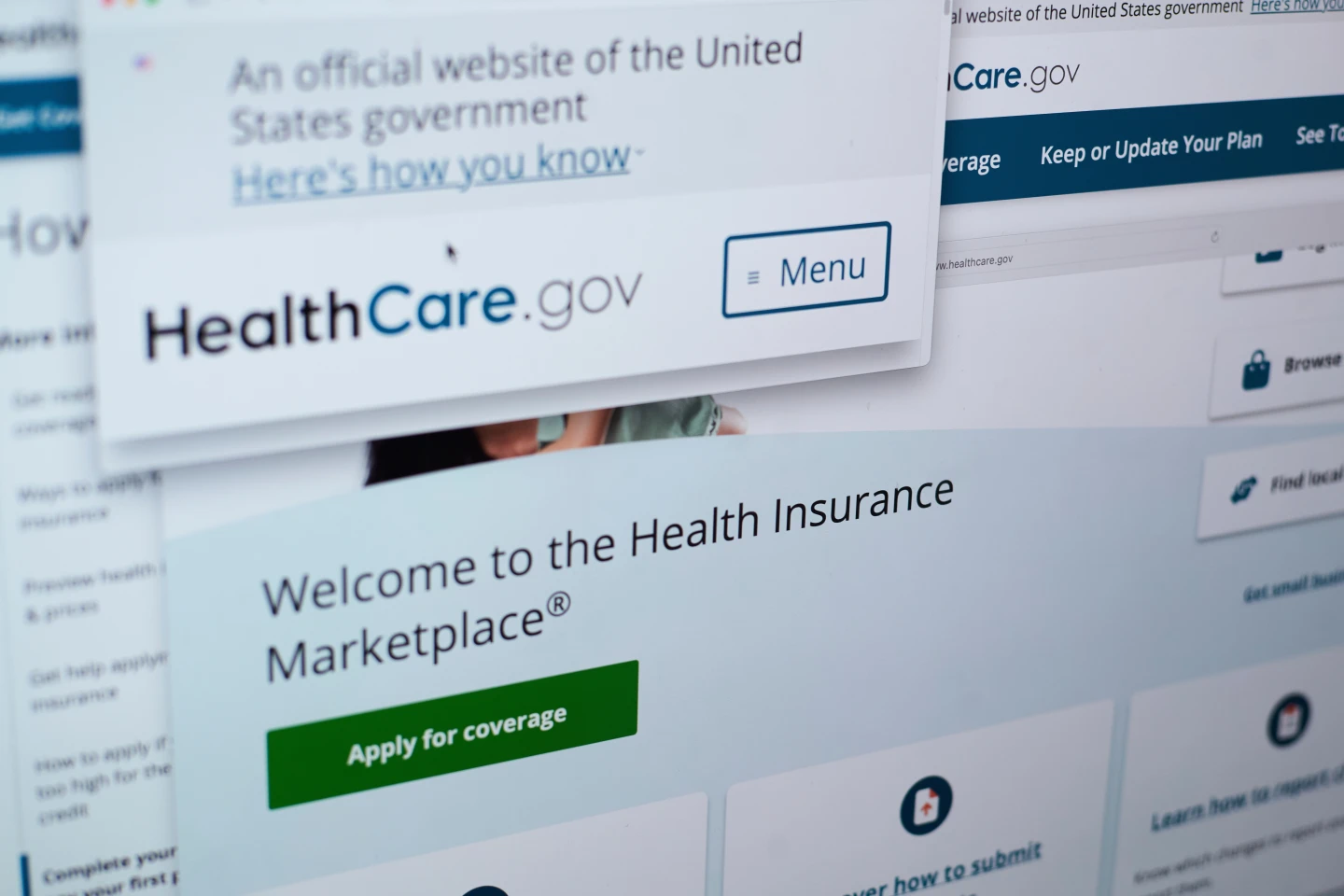
NEW YORK (Echosphere) — The expiration of enhanced tax credits that previously helped reduce health insurance costs for Affordable Care Act enrollees has taken effect, initiating sharp increases in healthcare expenses for millions of Americans as 2026 begins.
During a drawn-out 43-day government shutdown, which many Democrats linked to the survival of these tax credits, no consensus was reached, leaving an extensive group of enrollees—many of whom include self-employed individuals, small business owners, and those ineligible for Medicaid or Medicare—facing unprecedented hikes in their insurance costs.
Impact of Expired Subsidies
The enhanced subsidies, originally introduced in 2021 to aid citizens during the COVID-19 pandemic, were set to continue until 2026 but were ultimately let lapse. In the wake of this expiration, many Americans are experiencing premium increases averaging 114%, as analyzed by healthcare research nonprofits.
The situation has drastically altered the financial landscape for families, with some experiencing their monthly premiums skyrocketing from manageable amounts to burdensome figures. For example, Katelin Provost, a 37-year-old single mother, expressed alarm as her monthly premium surged from $85 to nearly $750, questioning the inaction from Congress to provide relief.
Enrollment Concerns
Health analysts predict that many of the 24 million Americans who benefitted from the Affordable Care Act may opt out of insurance coverage entirely due to the steep premiums, worsening the risk pool and driving up costs for those who remain.
As open enrollment continues in most states until January 15, the long-term effects on insurance enrollment and affordability are yet to be determined.
Legislative Stalemate and Calls for Reform
The stalled negotiations in Congress, where both sides have expressed a need for legislative action but have failed to reach a compromise, highlight the ongoing struggle to make healthcare accessible and affordable. Many enrollees continue to advocate for the restoration of subsidies, with hopes that further discussions in early 2026 will lead to some form of relief.
Amidst rising healthcare costs and political gridlock, voices from across the nation are calling for both parties to prioritize substantive reforms aimed at achieving more affordable healthcare for all Americans.