In brief
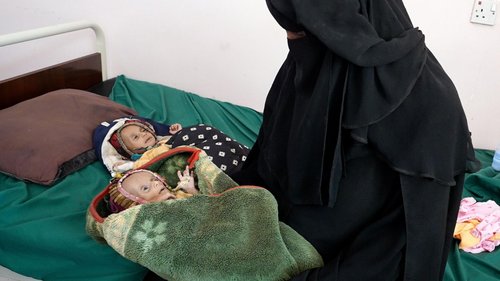
Anera’s community kitchens in Gaza are struggling to provide for over 20,000 people daily, facing shortages of vital ingredients like meat and fresh vegetables. As the humanitarian situation remains dire, the UN continues to press for increased aid into the region. Conditions are tense, with ongoing needs and the specter of famine looming.
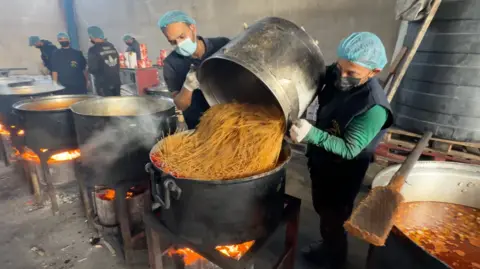
Garlic simmers in huge metal pots heated over open wood fires and set up in a long line. Cooks add canned tomatoes and peppers with handfuls of spices, stirring the sauce with giant spoons. What is being prepared here is not just lunch, it is a lifeline.American Near East Refugee Aid (Anera) opened this community kitchen in al-Zawayda in central Gaza after the ceasefire began six weeks ago. The US humanitarian organisation has another kitchen in al-Mawasi in the south of the strip, which the BBC visited in early May. Back then, two months into an Israeli blockade, preventing the entry of all food and other goods, stocks were dwindling. Now, with more food allowed to enter, the situation has improved.Each day, Anera feeds a hot meal to more than 20,000 people. We have moved from using 15 pots in the past, and now we increased to up to 120 pots in a day, targeting more than 30 internally displaced people's camps, says team leader Sami Matar. We're serving more than 4,000 families compared to just 900 families six months ago.Access to food has been a constant concern since the start of the war in October 2023, with Israel heavily restricting supplies allowed through Gaza's crossings. This has exacerbated the dire humanitarian situation. Famine was confirmed in Gaza City in August and projected to spread to other areas of the strip. The UN continues to call for more aid to be allowed in.On the menu today is spaghetti served with canned vegetables and tomato sauce and flavored with generous handfuls of spices. Sami gives an approving nod as he tastes a spoonful. But while Anera is managing to get access to more food, brought into Gaza by its partner, the US humanitarian organisation World Central Kitchen, there are still vital ingredients missing to improve people's diets.We need the food to be more diverse, to secure fresh vegetables and essential proteins like meat and chicken, he goes on. Those essentials are not allowed to enter Gaza for humanitarian aid distribution.Aid agencies are pushing for Israel to open up all five crossing points into Gaza; currently, only three are operating. They also want restrictions to be eased on the operations of some established humanitarian organisations. For now, the UN's World Food Programme (WFP) reports that a quarter of households in Gaza are eating just one meal daily, with prices of basics still far higher than they were two years ago. Families like those of Aida Salha and Abdul Karim Abdul Hadi are left relying on the meager assistance available, grappling with a future that remains uncertain.