In brief
After a lengthy 43-day government shutdown, the path to normalcy poses significant challenges. This article discusses the immediate consequences for federal workers, impact on crucial programs like SNAP and Head Start, disruptions in aviation, and the reopening of national parks and museums, as agencies work to restore operations.
NEW YORK (AP) — Officially, the longest government shutdown in U.S. history is over, but the American public and many services are still reeling as operations gradually resume. This breakdown of the shutdown's consequences highlights the widespread impacts on federal workers, critical funding programs, aviation services, and government-managed sites across the nation.
The disruption from the 43-day shutdown has affected everyone from unpaid federal workers who missed out on about $16 billion in wages to families reliant on essential services like the Supplemental Nutrition Assistance Program (SNAP) and Head Start. For many, getting back to normal is not simply a matter of reopening doors; it’s a complex process that will take time to unravel.
Immediate Effects on Federal Workers
Approximately 1.25 million federal workers were left without pay during the shutdown. As the government gears up to restore normal functioning, federal workers are expected to return to work. The Office of Personnel Management announced that employees would report back, and pending wages should be received by November 19 in several payments — a relief for those who struggled to make ends meet.
Challenges for Social Programs
One of the most immediate impacts was on federal programs. The shutdown led to delays in the disbursement of SNAP benefits for around 42 million low-income individuals. State agencies are now racing to distribute full benefits, with some indicating that eligibility applications should be submitted promptly.
Moreover, programs like Head Start faced significant delays in federal grant funding, leading some centers to close, which deprived thousands of families of essential childcare services. The Office of Head Start is working to expedite the necessary funding to aid these programs, yet staffing challenges from previous furloughs continue to pose a problem for many centers.
Impact on Flight Operations
During the shutdown, flight operations experienced notable disruptions due to a shortage of air traffic controllers, further exacerbated by unpaid workers either missing shifts or taking second jobs. While some airlines cut flights to ease the burden, the Federal Aviation Administration is expected to lift operational restrictions as the situation stabilizes.
Restoration of Parks and Museums
National Parks mostly remained accessible during the shutdown, supported by local and external funding efforts. However, facilities suffered as park services awaited official guidance to navigate damage assessments and address ongoing issues from delayed revenue due to fee collection lapses.
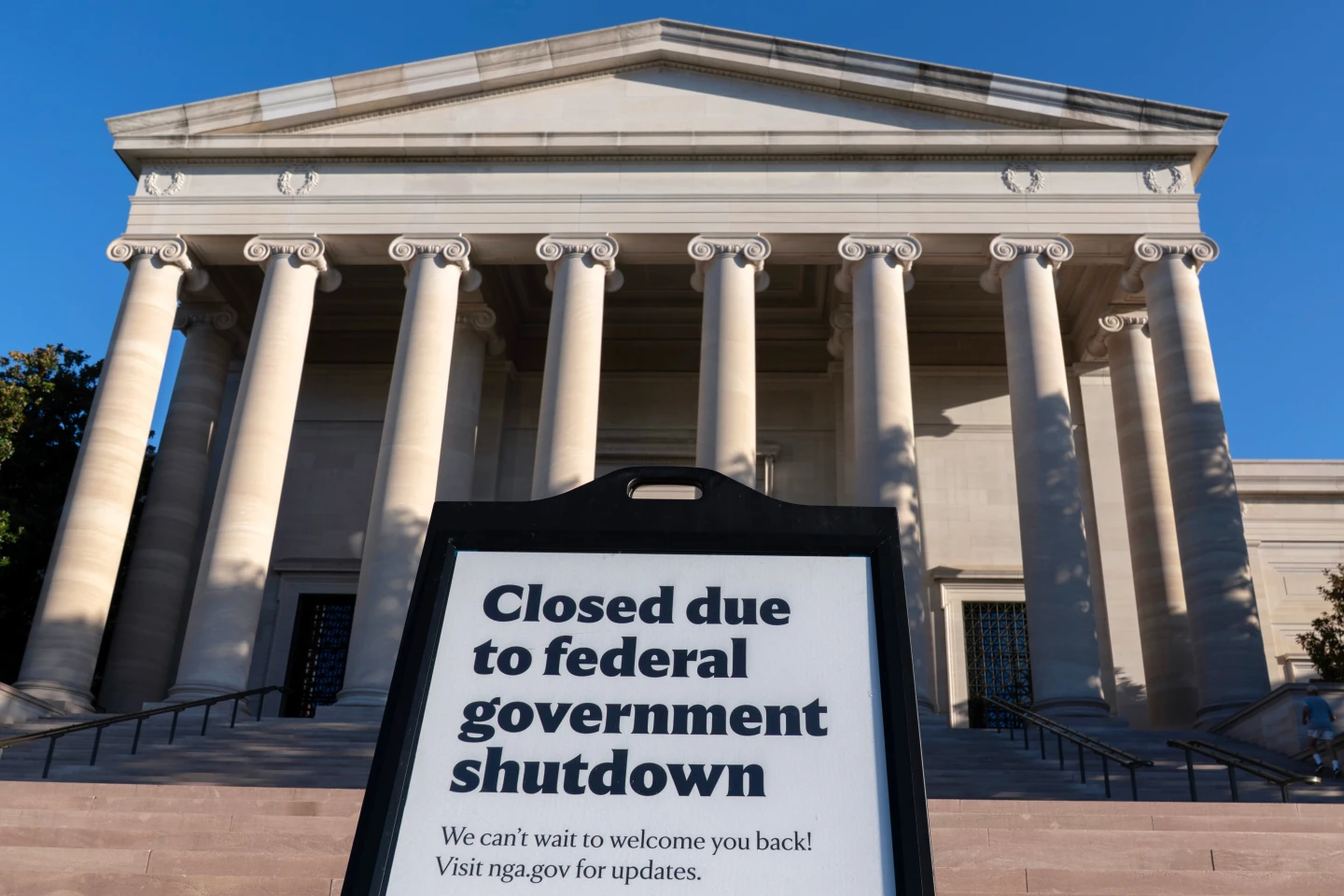
On a brighter note, the Smithsonian resumed operations, welcoming visitors once again after the unexpected closure of its museums and national zoo during the shutdown. Though the road back is complicated, the focus now is on recovery and securing funding to ensure sustainability for these invaluable services moving forward.
As the government and communities work toward recovery, many will remain vigilant in advocating for solutions that not only aim to prevent another shutdown but also prioritize sustainability, resilience, and support for both public services and the individuals who rely on them.