Trump Sets Russia Talks Over Siberian Lab Death, Spotlighting Global Biosafety

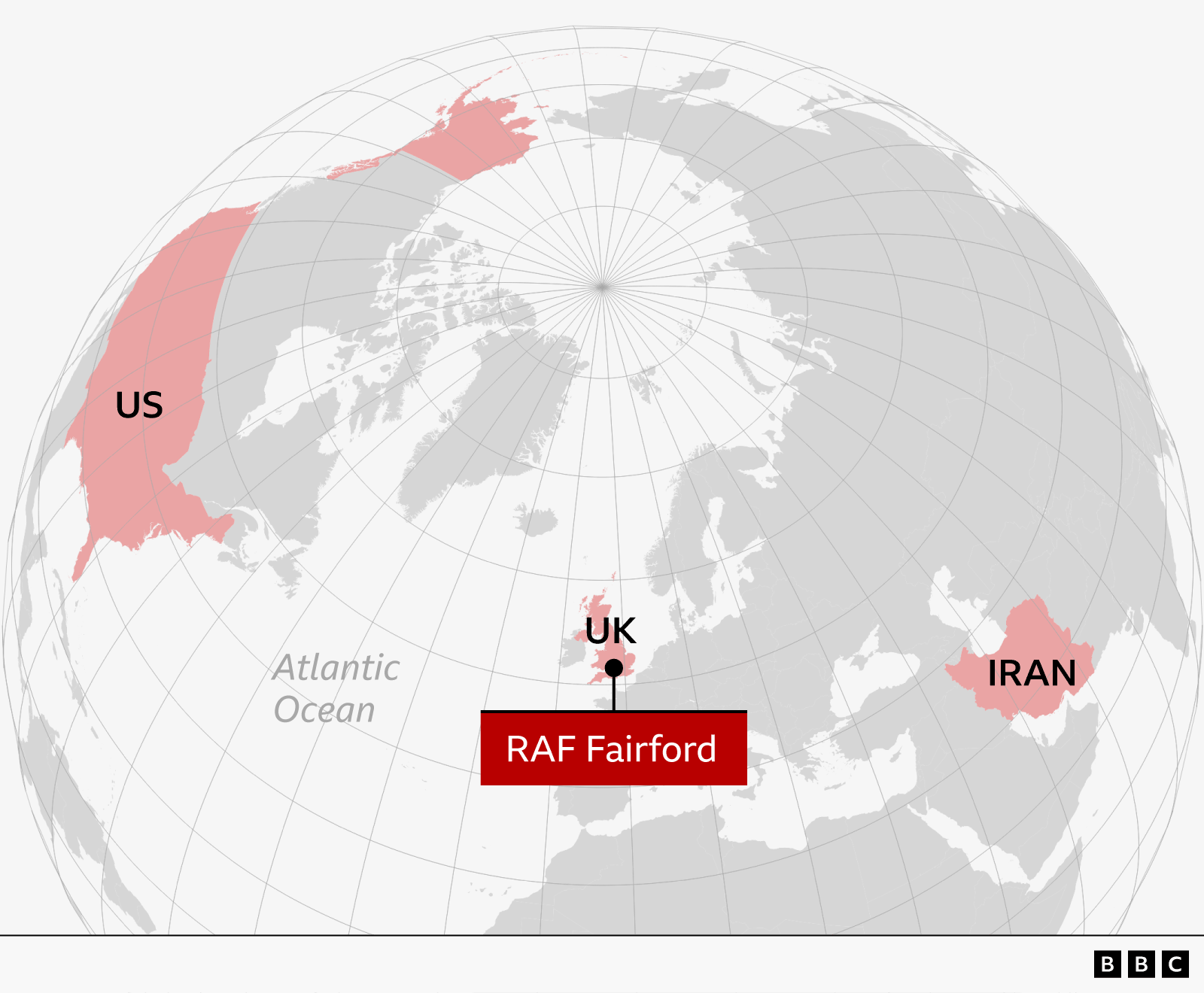
US President Donald Trump said he would speak with his Russian counterpart Vladimir Putin “soon” after a 28‑year‑old research assistant died at the Anti‑Plague Institute in the Siberian city of Irkutsk. Trump added that he would likely have an update by Thursday, indicating that the story has rapidly moved from local news to a matter of international importance.
The victim, Darya Shipilova, had reportedly fallen ill a couple of days before her death and was found on a stretcher in a sterile laboratory corridor. Russian authorities have opened an investigation into the cause of death; initial reports suggested pneumonic plague, one of the most lethal pathogens, yet the country’s health watchdog Rospotrebnadzor currently lists her cause of death as “pneumonia of an undetermined etiology.”
The World Health Organization’s Director‑General, Tedros Adhanom Ghebreyesus, called for transparent, timely data sharing: “Timely, complete and transparent information sharing under the International Health Regulations is essential to clarify conflicting reports and enable an accurate assessment of potential public health risks.”
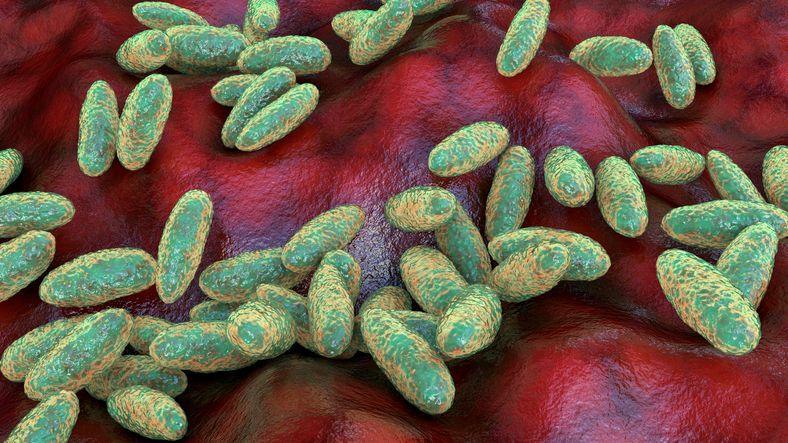
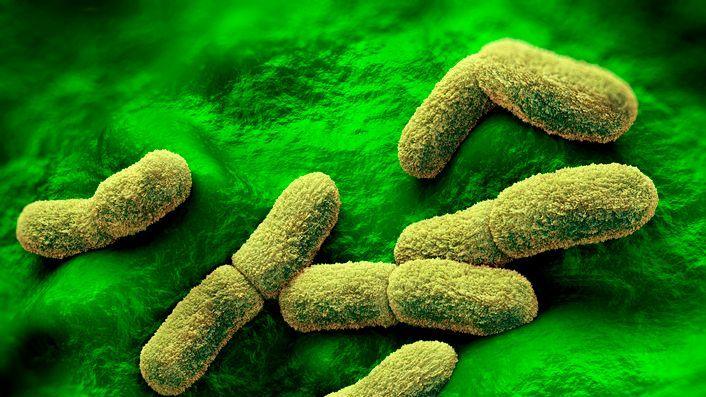
Pneumonic plague has a short incubation period—sometimes as brief as 24 hours—and can be fatal if not recognised and treated immediately. Transmission pathways include infected flea bites, contact with bodily fluids or contaminated materials, and inhalation of respiratory particles.
In the weeks before the tragedy, nearly 200 people in Irkutsk were placed under observation in a precautionary sweep. The lab completed a self‑review, but the incident feeds into a larger narrative about bio‑security, especially as climate change reshapes rodent populations that harbour Yersinia pestis. The bacterium responsible for the 14th‑century Black Death still thrives in Eurasian marmots, reminding us that traumas of the past can echo in modern settings.
While the US Secretary of State Marco Rubio offered “measures” to support Russia if the situation escalates, details remain scarce. For scientists, the case reignites debates about safety protocols in high‑containment laboratories, rapid outbreak detection, and the importance of open international data exchange.
The incident serves as a stark reminder: as our climate shifts, wildlife habitats expand into new regions, and zoonotic diseases are more likely to cross species boundaries. Strengthening biosafety infrastructure, embedding environmental safeguards, and establishing transparent communication channels could prevent a repeat tragedy—both in businesses and hope that we can protect future generations from pandemic threats.