Trump’s Iran remark sparks backlash, White House defends

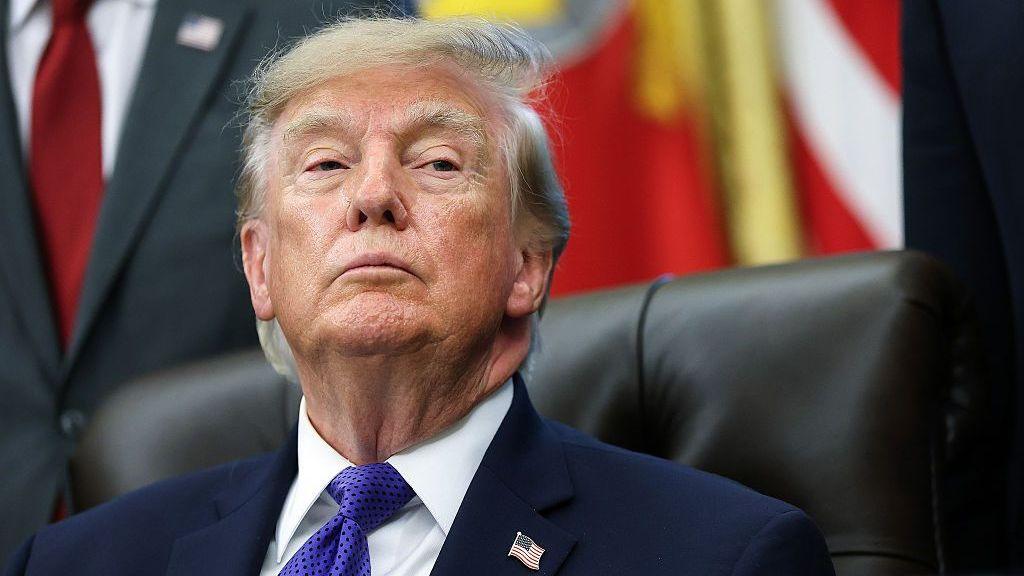
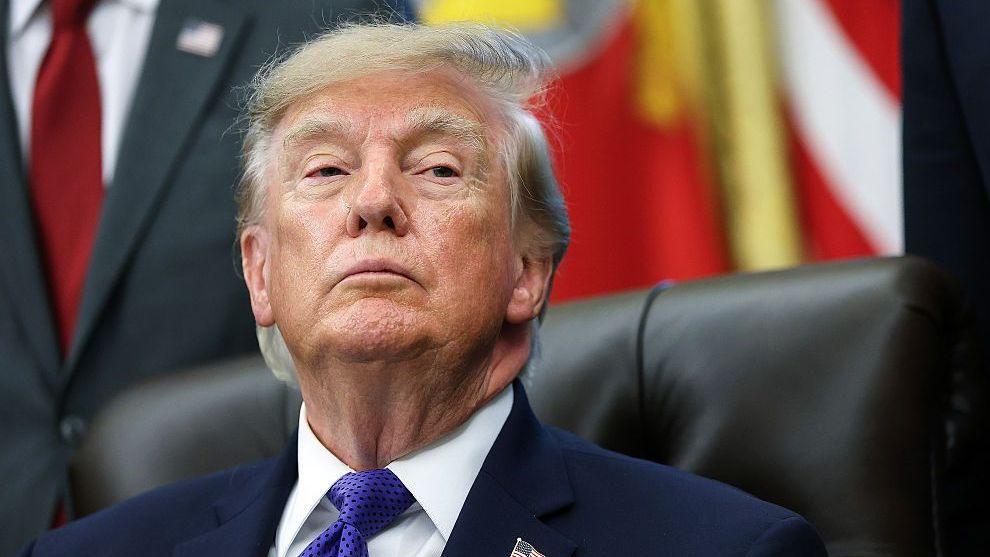
At a campaign rally in Nebraska, former President Donald Trump warned that the United States could face a nuclear strike from Iran that would target major cities such as Los Angeles and San Diego. The comment drew furious condemnation from California’s political leaders, who slammed it as dangerous and deranged.
In a tweet, White House Communications Director Stephen Cheung rebuffed the outcry, framing the remark as a deterrent: “She was telling the world that we are safer because the President stopped a nuclear Iran.” He described media coverage as a “freakout” that ignored the real threat the White House alleged Iran had.
California Governor Gavin Newsom called Trump’s words “deranged and dangerous,” while Los Angeles Mayor Karen Bass labeled them as a direct threat to the safety of American lives. The state’s Threat Assessment Center was prompted to monitor for any attempts by foreign actors to see these comments as an invitation.
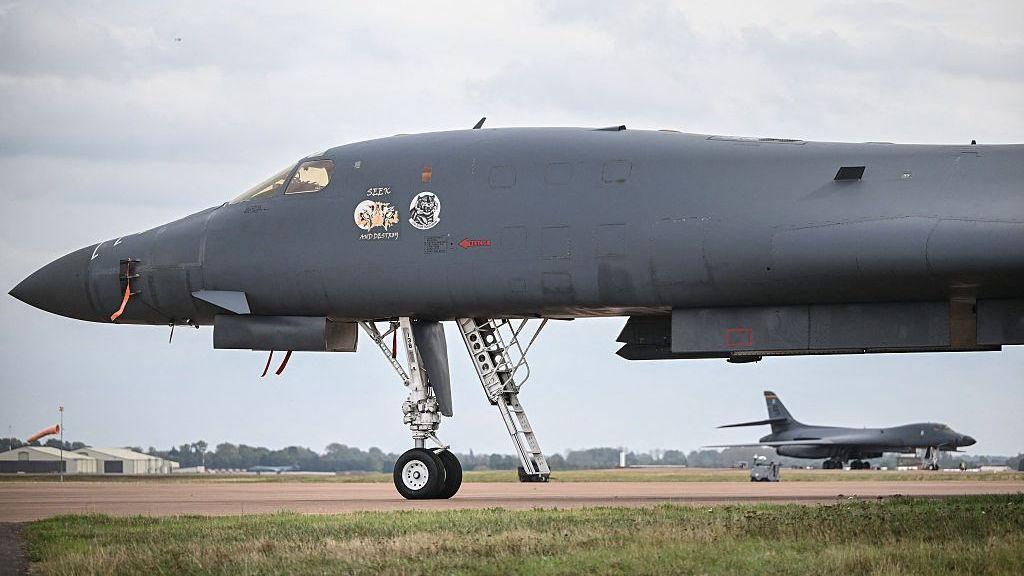
Both LA and San Diego host significant U.S. military installations—Naval bases, Air Force posts, and the Space Force headquarters—making them strategic targets in a conflict scenario. Trump invoked the “small price to pay” for a safer world should those installations be compromised by a hostile nuclear attack.
The situation has highlighted the intersecting vulnerabilities of national security and environmental resilience. A nuclear strike would not only devastate critical infrastructure but also unleash long‑term environmental damage, disrupting ecosystems and disproportionately affecting climate‑adapted communities along the West Coast.
While Trump remains silent on the matter, the White House’s defense of his comments underscores a broader debate over how political rhetoric can influence both geopolitical stability and climate‑related risk mitigation strategies.