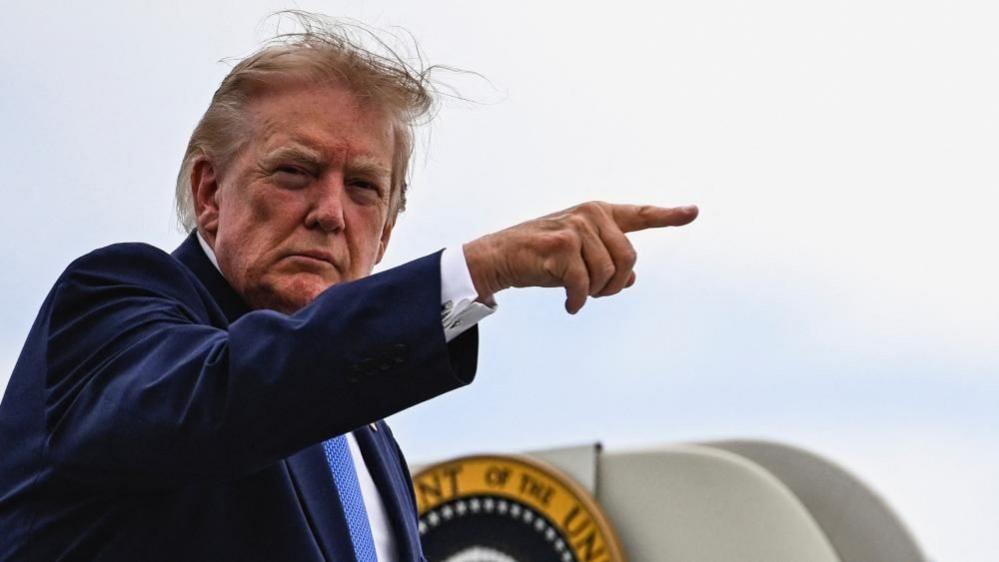
Moroccan King’s Letter Confirms Naming of Major Highway in Honour of Trump
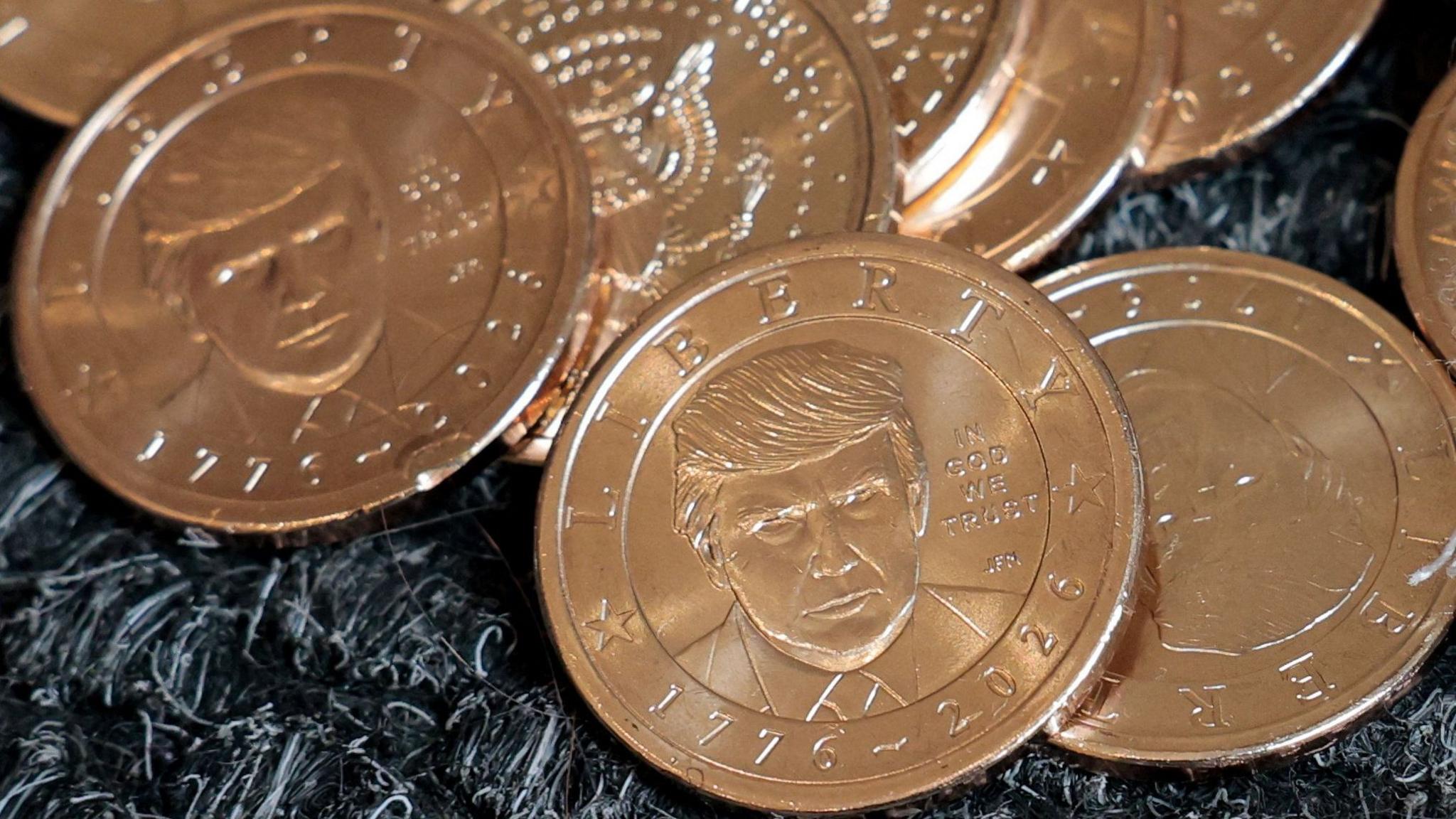
In a carefully worded missive dated 2 July, King Mohammed VI confirmed that the once‑named Tiznit‑Dakhla highway would be renamed the “Donald J. Trump Highway.” The letter, released by Morocco’s state press agency, follows the former US president’s own social‑media message expressing gratitude for the honour.
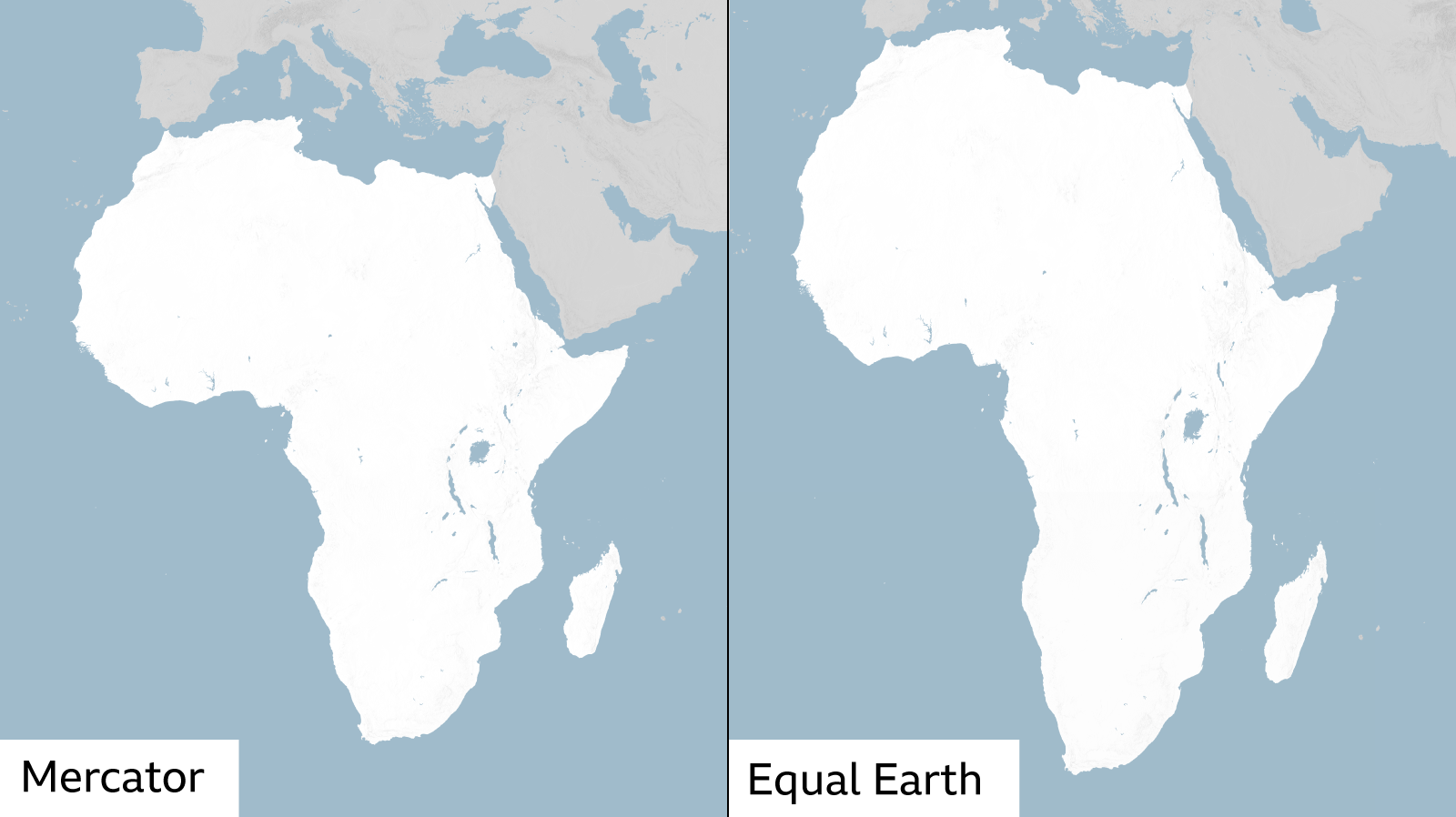
The 1,055‑kilometre corridor is a key “strategic axis”, linking north and south Morocco and extending into Western Sahara—an area Morocco governs and claims sovereignty over, but which the Polisario Front arms group also de‑termines as an independent territory.
Politicians and analysts have flagged the road as a double‑edged sword. On the one hand, improved infrastructure could enable the deployment of solar farms in Western Sahara, one of the world’s most sun‑rich regions, potentially supporting Morocco’s ambition to raise green‑energy capacity to 70 GW by 2030. On the other, the highway’s production costs (nearly $1 billion) and continued reliance on motorised traffic may exacerbate greenhouse‑gas emissions, counteracting national and regional climate targets.
This episode underscores a broader theme—going green amid politics. While the Moroccan monarchy has underwritten strong ties to the United States, including the 2020 US recognition of Morocco’s claim over Western Sahara, the road’s environmental footprint draws attention to the need for sustainable transport solutions, such as electric vehicle (EV) charging nodes and car‑pooling incentives, to offset carbon outputs.
As western Sahara’s contested status remains unresolved, environmental stakeholders call for inclusive agreements that balance infrastructural development with ecological stewardship, ensuring newly built arteries do not become “pipeline of fossil‑fuel” corridors but instead support a clean transport future.