In brief
In recent weeks, Israel’s settler violence has escalated in the West Bank, claiming two Palestinian teens’ lives and sparking a wider surge of attacks. Beyond the immediate human toll, these actions are eroding vital ecosystems, disrupting water supplies, and increasing carbon emissions as military and civilian populations compete for scarce resources. The expansion of settlements accelerates land degradation, undermining the region’s potential for sustainable agriculture and forestry, while contributing to broader climate change impacts. This article examines how conflict over land and water is threatening environmental stability and highlights the urgent need for integrated climate‑justice solutions in the region.
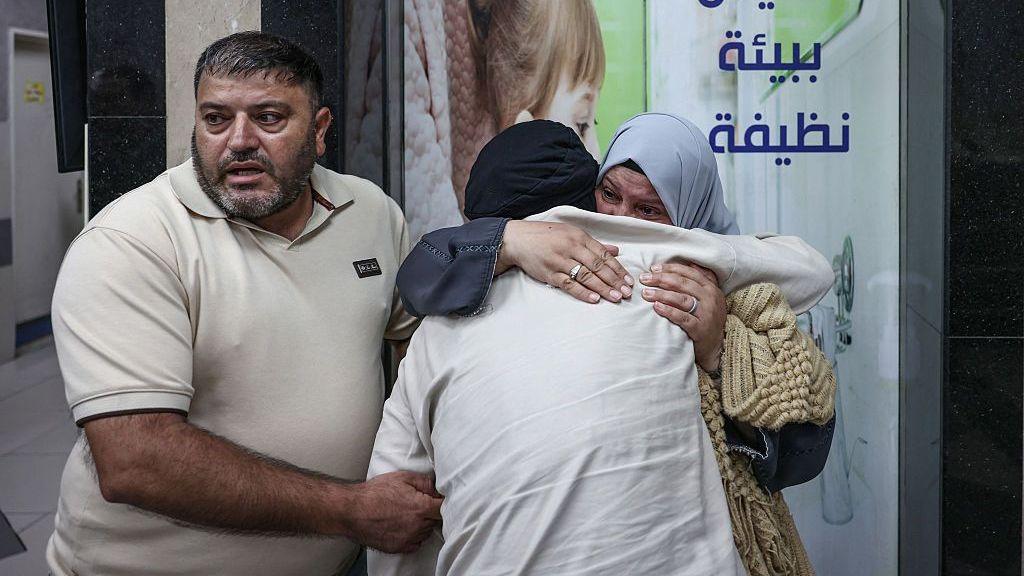
The West Bank’s fragile environment is caught in a cycle of conflict. On 3 September, a settler attack on al‑Mughayyir left 19‑year‑old Omar al‑Nassan and 16‑year‑old Khalil Abu Alia dead as soldiers and civilians clashed over livestock and land. While the human tragedy dominates headlines, the underlying environmental damage is often overlooked.
Settlements occupy 160% of the West Bank’s land, home to a third of its 3.3 million residents. Each new outpost brings concrete, roads, and energy demands that fragment wildlife corridors, reduce biodiversity, and accelerate soil erosion. The expansion of agricultural infrastructure further strains the region’s limited water supply, resulting in over‑extraction of aquifers and the loss of vital wetlands.
Water scarcity exacerbates the conflict in the region. Local communities rely on irrigated terraces for food production, yet settler farms and municipal use drain the same sources. According to UN statistics, the West Bank now experiences only 250 mm of usable water per capita annually—below the threshold for sustainable agriculture. This pressure fuels tensions, as communities fight for both survival and dignity.
Carbon emissions also surge as military operations and civilian settlements demand more energy. Concrete production alone accounts for 1.5 million tonnes of CO₂ in the West Bank annually, and the shift from wind‑quiet pastoral lands to energy‑intensive factories increases the region’s climate footprint. These emissions, combined with the loss of carbon‑storing forests due to deforestation for new housing, push local ecosystems further from recovery.
Climate justice advocates argue that peace and environmental stewardship are intertwined. Identifying the environmental toll of settler violence highlights the need for integrated policy solutions that protect human rights, restore ecosystems, and curb emissions. Sustainable land management, water‑sharing agreements, and renewable energy deployment can collectively reduce the environmental cost of conflict.
In a broader context, the West Bank’s challenges illustrate how protracted conflict depletes natural capital and accelerates climate risks. Without a shift toward sustainable, inclusive policies, the cycle of violence and environmental collapse will likely continue to intensify. Addressing these intertwined crises is essential for any future pathway toward a resilient, equitable, and climate‑secure future for all residents of the region.
© AFP via Getty Images