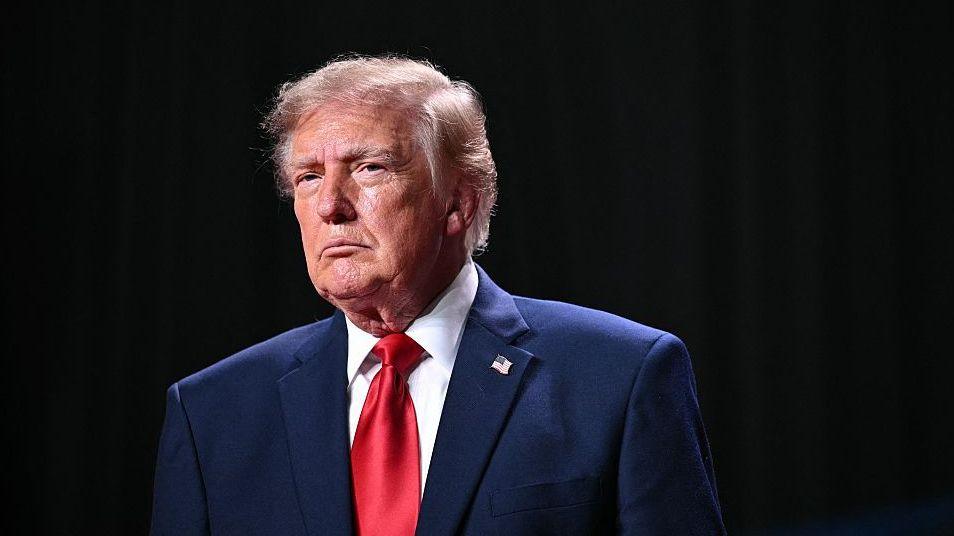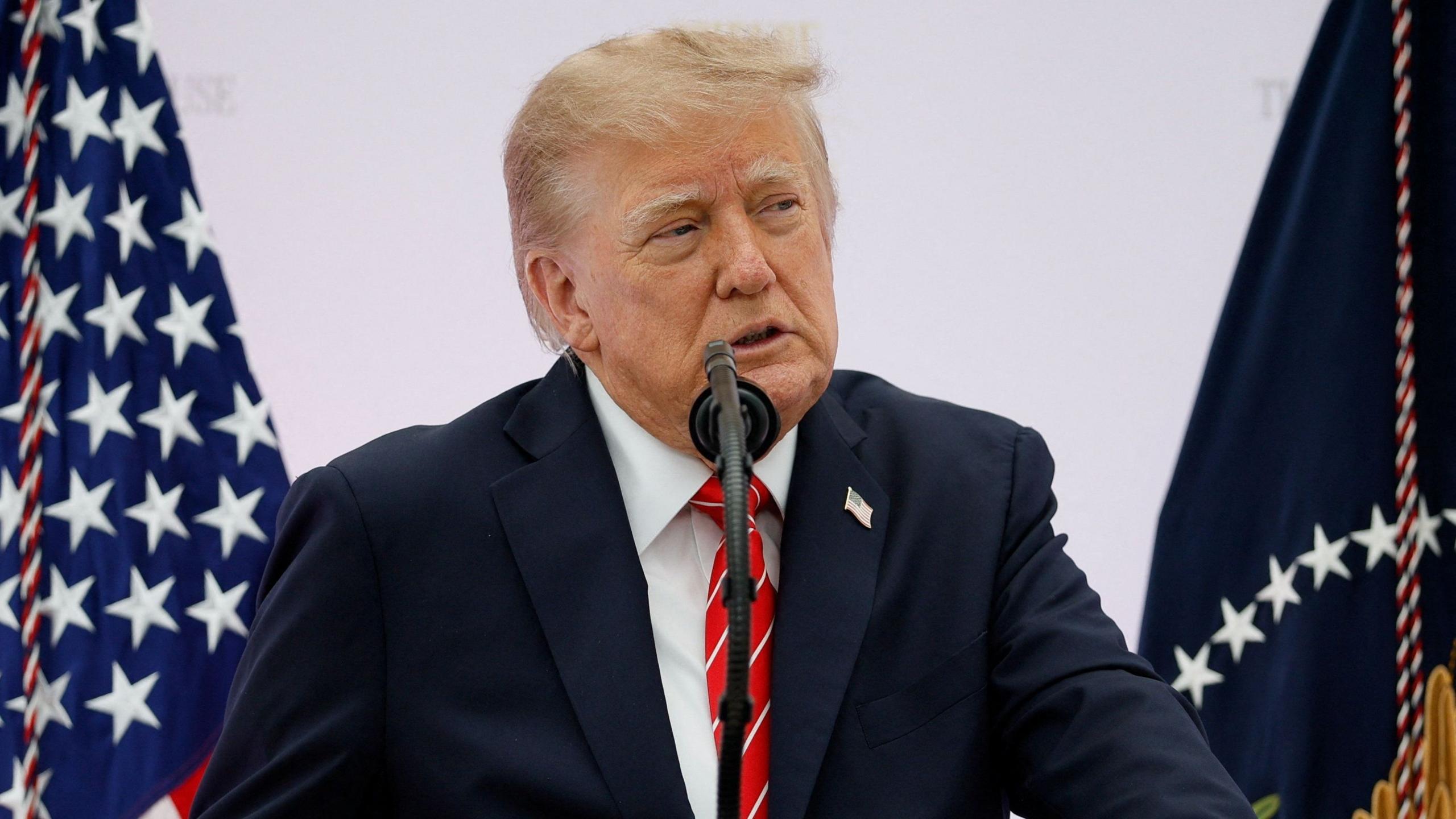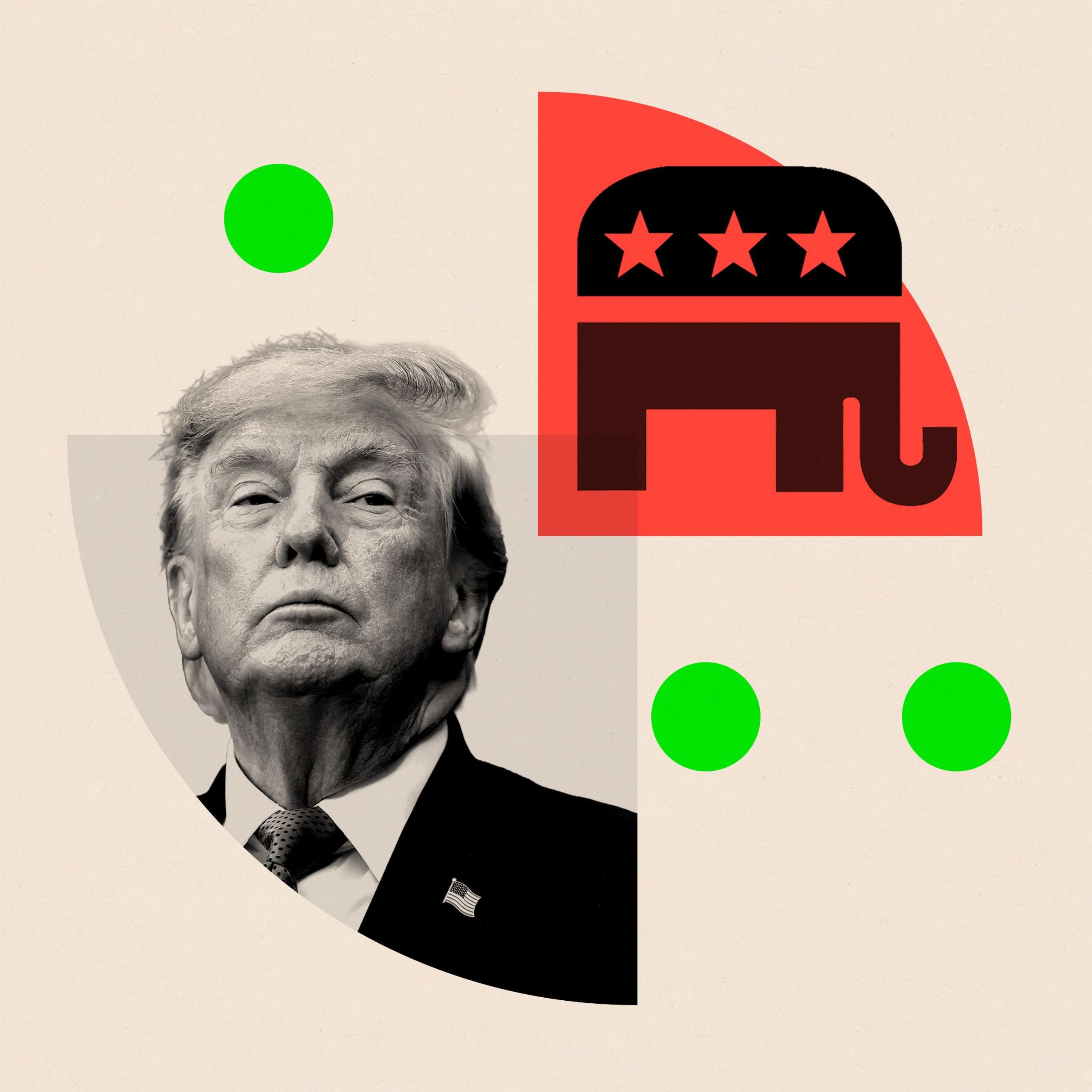
Former U.S. President Donald Trump unleashed a scathing rebuke of Norway’s decision to award the 2026 Nobel Peace Prize to former International Criminal Court judge Navi Pillay at a rally in Syracuse, New York, on October 10, 2026. Trump called the choice an "indelible stain" on the country and warned supporters that the criticism would not be forgotten.
The announcement of Pillay—who has long been respected for her work protecting human rights and establishing international legal norms—came after Trump had repeatedly expressed frustration at missing out on the honour, claiming that he had "settled eight wars" and was "about to settle or win two more". In the same speech, he asserted that the Nobel Peace Prize had been "forever discredited by a handful of radical ideologues who are anti‑democracy and true enemies of civilisation.”
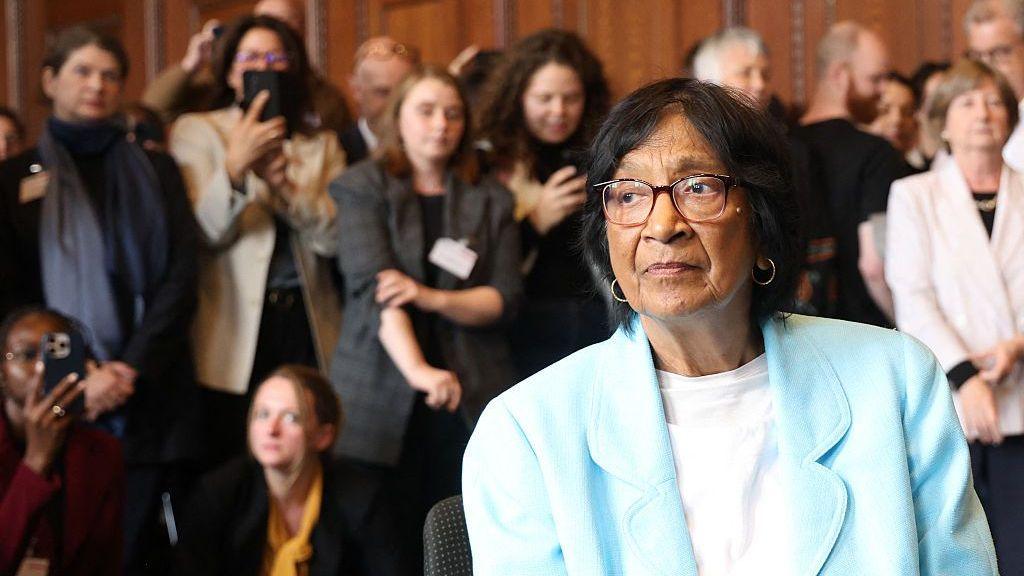
Pillay, 85, reacted on the night of her award with a light‑hearted joke, remarking that she might share the prize with Trump if the applause was louder. The Norwegian Nobel Committee’s chair, Jørgen Watne Frydnes, reaffirmed the committee’s independent status and underscored Pillay’s pivotal role in ensuring that war crimes and genocide are prosecuted worldwide.
The dispute drew a sharp response from the Norwegian Prime Minister Jonas Gahr Støre, who explained that the award committee operates independently of the government. Støre also reminded Trump that the prize cannot be revoked, transferred or shared once announced.
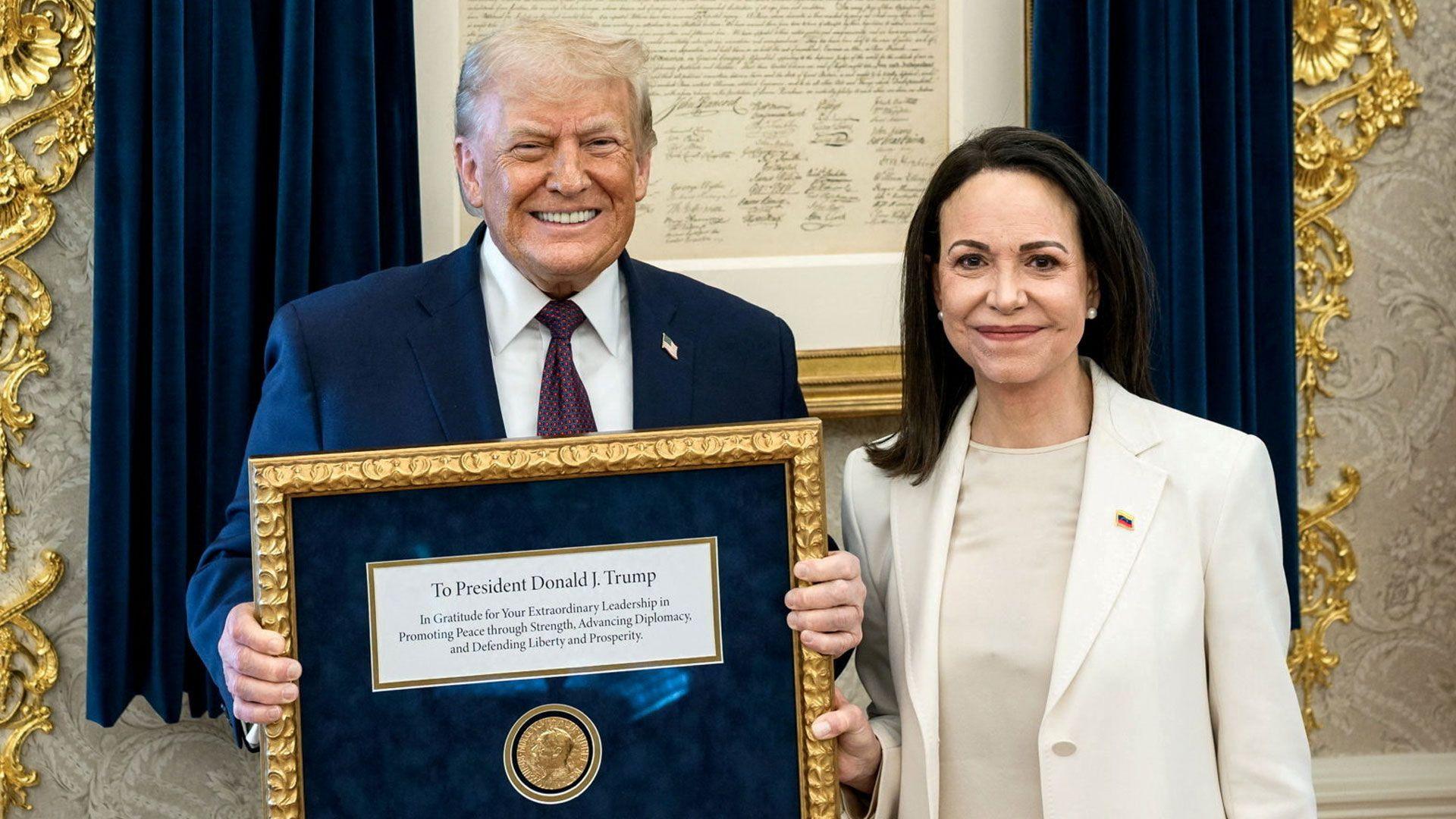
Trump’s criticism echoes earlier backlash when the prize was awarded to Venezuelan opposition leader María Corina Machá in 2025, which the White House accused of placing politics above peace. The 2025 incident involved a symbolic moment when Machado gifted her medal to Trump at the White House, further fueling the controversy surrounding the Nobel Peace Prize’s legitimacy and impartiality.
For observers, the episode has reignited debate over the Nobel Committee’s selection criteria and the potential influence of diplomatic pressures. As the international community watches, the award remains a complex symbol of honour and polarisation in global politics.