US Imposes Sanctions on the International Criminal Court, Sparking Global Justice Alarm
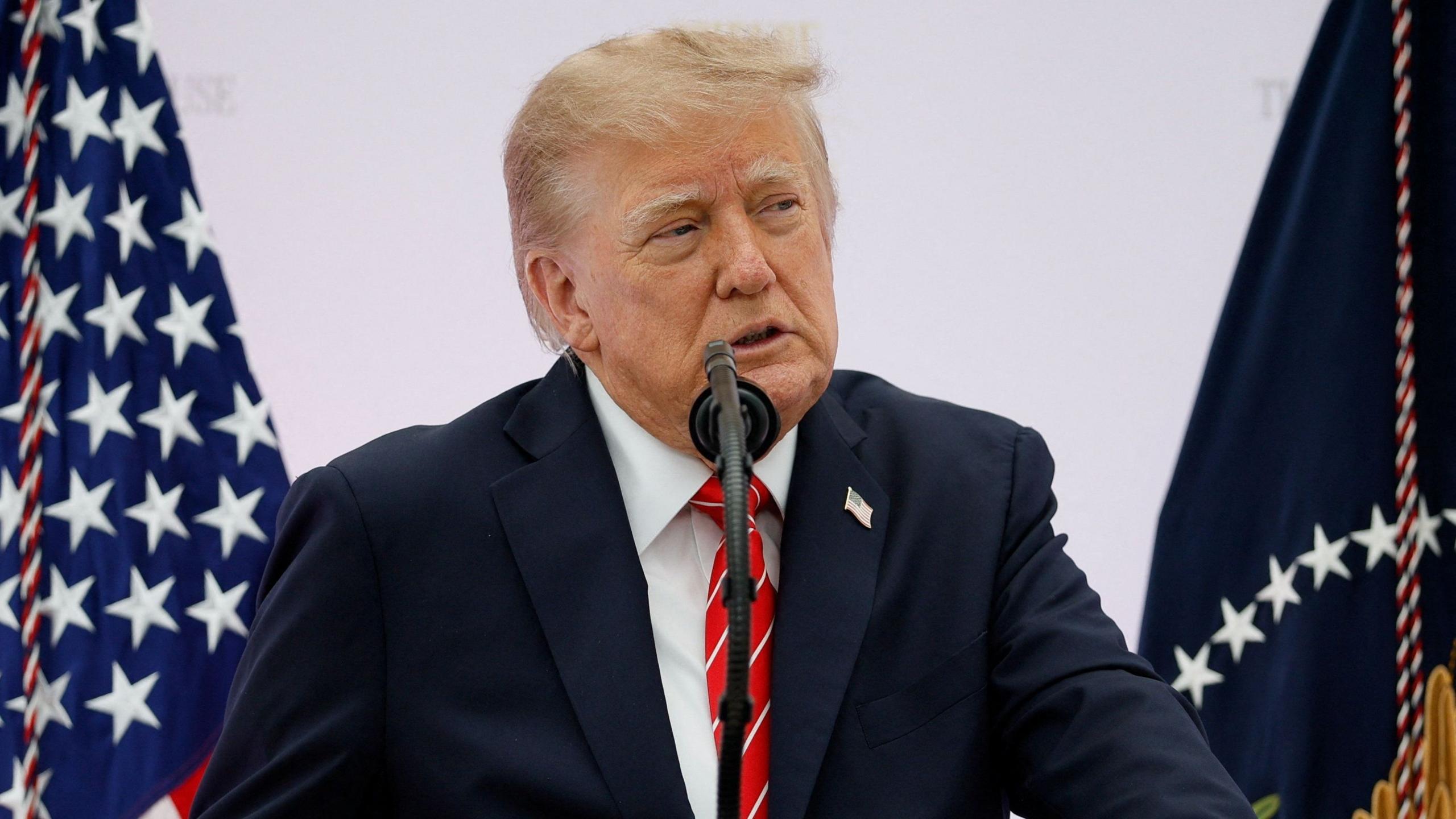
In a move that has stunned the international community, President Donald Trump’s administration announced sweeping sanctions aimed at the International Criminal Court (ICC). The U.S. says the measures are intended to protect American sovereignty, but critics argue they undermine a key pillar of global justice.
Secretary of State Marco Rubio outlined the sanctions, which block U.S. companies from supplying goods and services to the ICC. The policy is a step up from earlier sanctions that targeted individual judges and officials. The new rules will take effect after a six‑month grace period, giving member states time to negotiate a “solution to address” U.S. concerns.
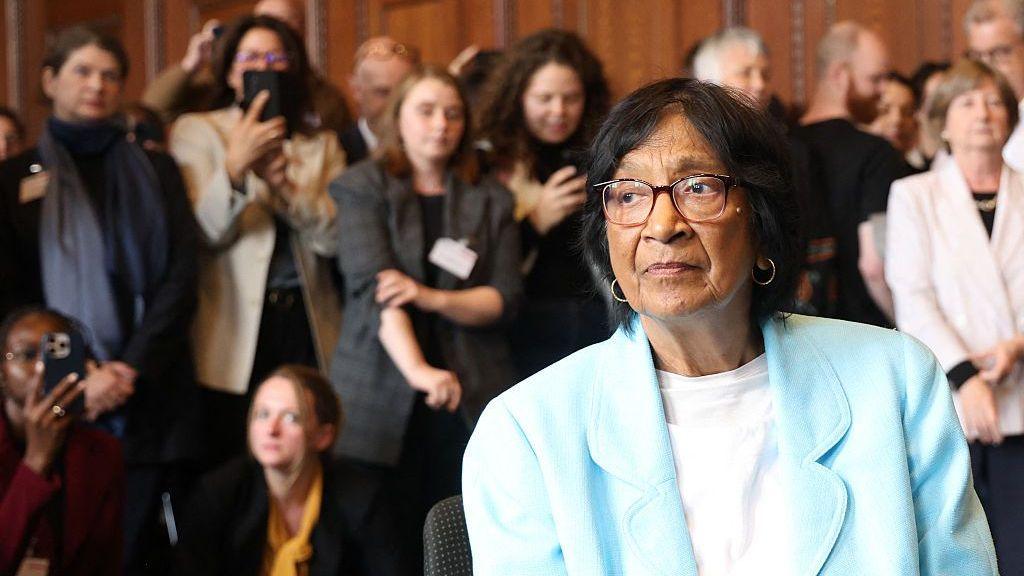
The decision follows the Nobel Peace Prize award to former ICC judge Navi Pillay, who was celebrated for her efforts to promote international law. Her accolade came just hours before the U.S. unveiled the sanctions. The ICC itself described the measures as an “assault on the rule of law” and warned the court would not be deterred.
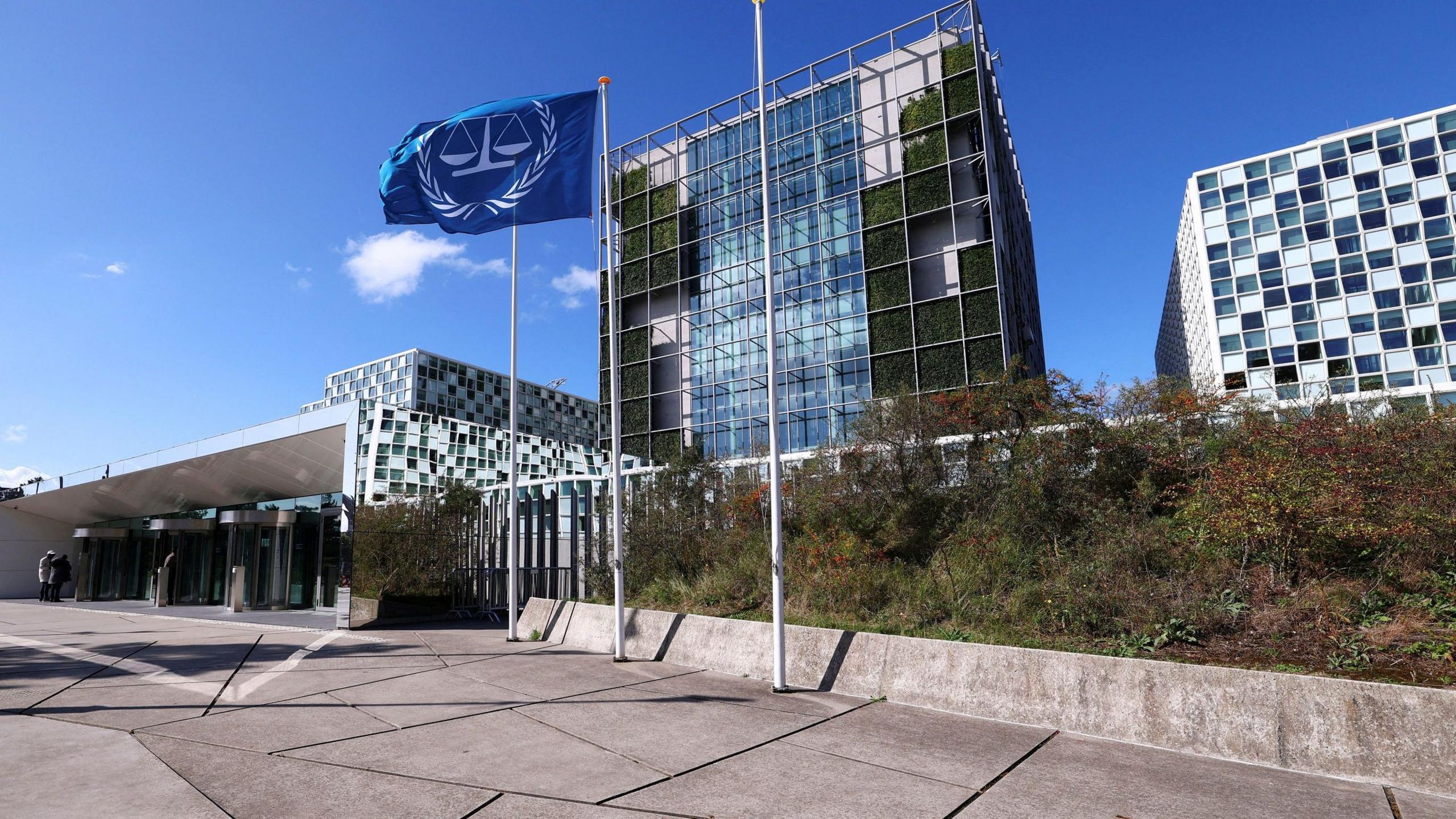
European allies—United Kingdom, France, Germany, Italy, Canada, Denmark, Japan, and the Netherlands—reaffirmed their support for the ICC. They expressed regret and strong disagreement with the U.S. sanctions and praised the court’s work bringing serious international crimes to justice. The Netherlands, host of the ICC in The Hague, already faced pressure from Washington.
The U.S. claims the ICC threatens American sovereignty, citing past investigations of U.S. forces in Afghanistan and arrest warrants for Israeli officials, including Prime Minister Benjamin Netanyahu. However, the sanctions do not require release of such warrants before lifting the measures.
Impact on climate justice could be profound. The ICC prosecutes crimes that include environmental destruction, such as forced displacement and destruction of ecosystems. If the court’s funding and operations are crippled, victims of climate‑related atrocities may lose a vital forum for redress.
UN Secretary‑General António Guterres described the U.S. move as “a serious blow to international criminal justice.” The ICC’s chief prosecutor has warned that financial pressure could eventually force the court to cease trials, potentially forcing the release of detainees awaiting judgment, including former Philippine President Rodrigo Duterte, who faces war‑crime charges linked to his “war on drugs.”
While United States officials argue the sanctions are a necessary check on an overreaching international body, the global response underscores the fragility of post‑war environmental accountability mechanisms. The coming months will reveal whether this confrontation will set a new precedent for diplomatic pressure on justice institutions—an outcome that could ripple across climate‑justice efforts worldwide.