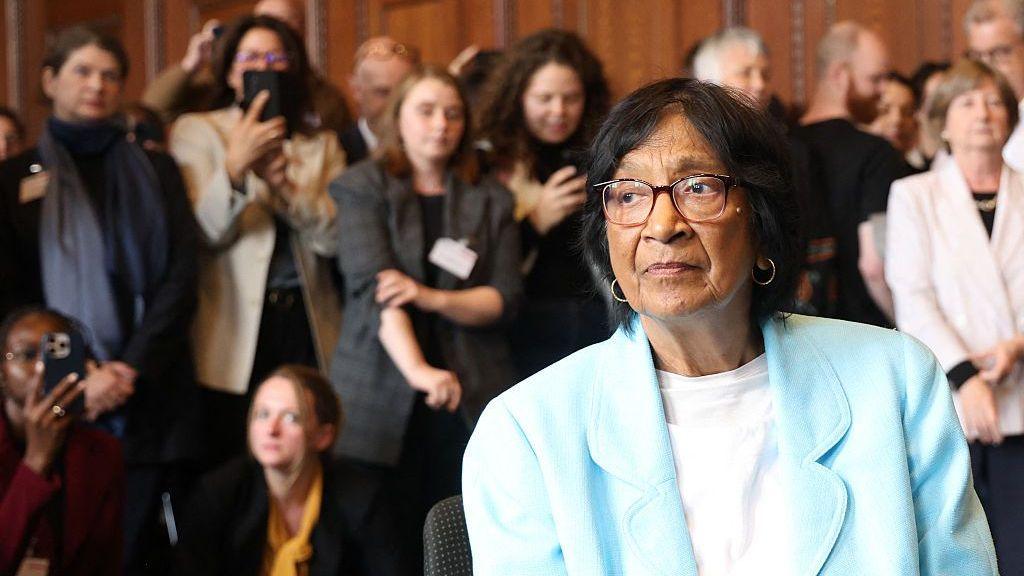
In 2026, the Nobel Peace Award went to Navi Pillay, a former International Criminal Court judge and former United Nations High Commissioner for Human Rights. Her work has spanned the globe, championing human dignity and a more resilient, equitable world.
Pillay was born in Cape Town during the height of apartheid, a period that imprinted her with the reality of systemic injustice. She later served on the International Criminal Court in The Hague, bringing her expertise to cases of war crimes and crimes against humanity. Returning to the UN in 2008, she led the human rights office in a long‑term effort to safeguard the rights of all, especially those most exposed to displacement and environmental degradation.
The Nobel Committee praised Pillay for her “efforts to promote peace and international law,” and highlighted her role in linking legal frameworks with climate‑responsive policies. Her ability to fuse legal rigor with pragmatic solutions has become a model for climate justice initiatives worldwide.
From facilitating reconciliation in Rwanda to advocating for Palestinian refugees and on-duty humanitarian corridors in Gaza, Pillay has consistently demonstrated that protecting human life and dignity is inseparable from ensuring environmental stability. She has argued that as climate change intensifies, the most vulnerable will face compounded risks, making robust international law indispensable for sustainable futures.
Pillay’s Nobel recognition signals a broader shift: the global community is beginning to frame climate action as a pillar of human rights and peace. Her legacy will inspire future leaders to craft policies that guard both people and planet in an interconnected world.