In brief
Eight defendants linked to Antifa were sentenced to a total of 450 years in prison following a July 4 riot at the Prairieland Detention Center in Texas. The longest term is 100 years for former Marine reservist Benjamin Hanil Song, while other sentences range from 30 to 70 years. The incident, involving fireworks and firearms, prompted the U.S. Department of Justice to denounce the actions as an assault on democracy, citing the group’s alleged links to terrorist support. The case underscores the complex interplay between social justice movements, law enforcement, and the environmental footprint of large detention facilities.
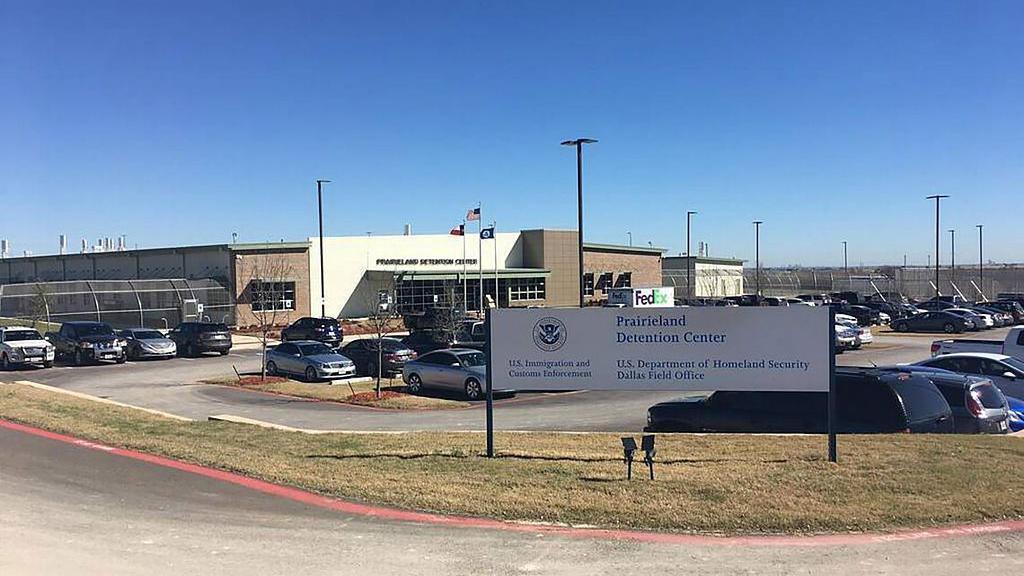
Eight individuals linked to Antifa were sentenced collectively to 450 years in prison after a July 4 riot outside the Prairieland detention center in Texas.
The sentencing ranges from 30 to 100 years, with former Marine reservist Benjamin Hanil Song receiving the longest term.
President Trump had earlier designated Antifa as a domestic terrorist organization, a move critics say conflates ideology with criminal activity.
Court documents show the group used fireworks, unmarked gear and firearms in an attempt to disrupt the detention facility during an Independence Day demonstration.
Acting US Attorney General Todd Blanche said the sentences demonstrate swift, uncompromising justice against those who threaten law enforcement and federal sites.
Supporters of the defendants argue the punishments are excessive, while local residents highlight the center’s high energy use and its environmental impact on the surrounding community.
The incident illustrates the intersection of social justice, security, and environmental stewardship, as large detention facilities consume substantial energy and contribute to local greenhouse‑gas emissions. It raises questions about how resources allocated to policing and incarceration might shift toward more sustainable community support and climate‑positive initiatives.