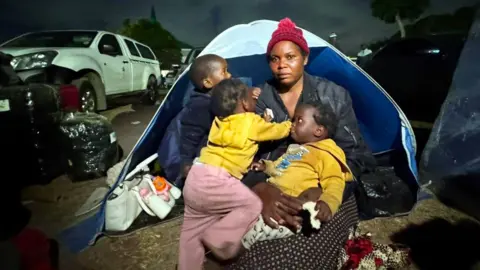
The Trump administration has announced the termination of Operation Metro Surge in Minnesota, a day after two and a half months of unrest sparked by the operation's excessive measures. This initiative was characterized by massive arrests and the extensive application of immigration laws targeting various communities, particularly the Somali diaspora in the Minneapolis area.
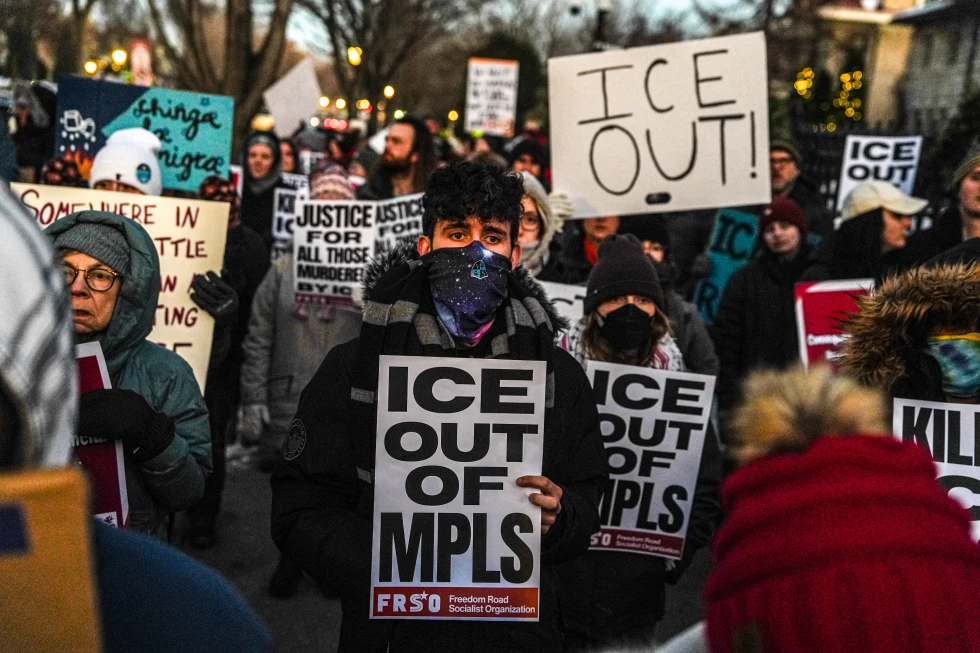
This operation described by the Department of Homeland Security as the largest immigration enforcement operation ever led to over 4,000 arrests and numerous protests fueled by outrage at aggressive enforcement tactics and tragic incidents in which two U.S. citizens lost their lives at the hands of federal officers.
Notable moments included a protest surge initiated after incidents involving Renee Good and Alex Pretti, both shot and killed by immigration enforcement officers. The local response, led by community and civil rights advocates, emphasized the targeting of minority populations, sparking fierce opposition to the administration's rhetoric and policies.
The operation commenced with heightened rhetoric from President Trump, which vilified the Somali community, inciting both fear and resistance among local residents. Minnesota's state officials vigorously opposed these measures, highlighting injustices faced by citizens and immigrants alike, and voiced their support for the affected communities.
Government actions, including the arrests made during the operation, have received national scrutiny, especially after unethical practices surrounding fraud allegations were unveiled in Minnesota's social service systems. Affected communities expressed outrage, emphasizing the need for humane treatment and the reconsideration of harsh immigration enforcement.
As Operation Metro Surge concludes, local leaders called for renewed discussions on equitable immigration reform that emphasizes compassion over enforcement. The end of the operation marks a pivotal moment in rethinking how similar initiatives could be handled in the future, especially regarding community engagement and protection of vulnerable populations.