Ariana Grande Demands the White House Remove Her Music from Immigration Video
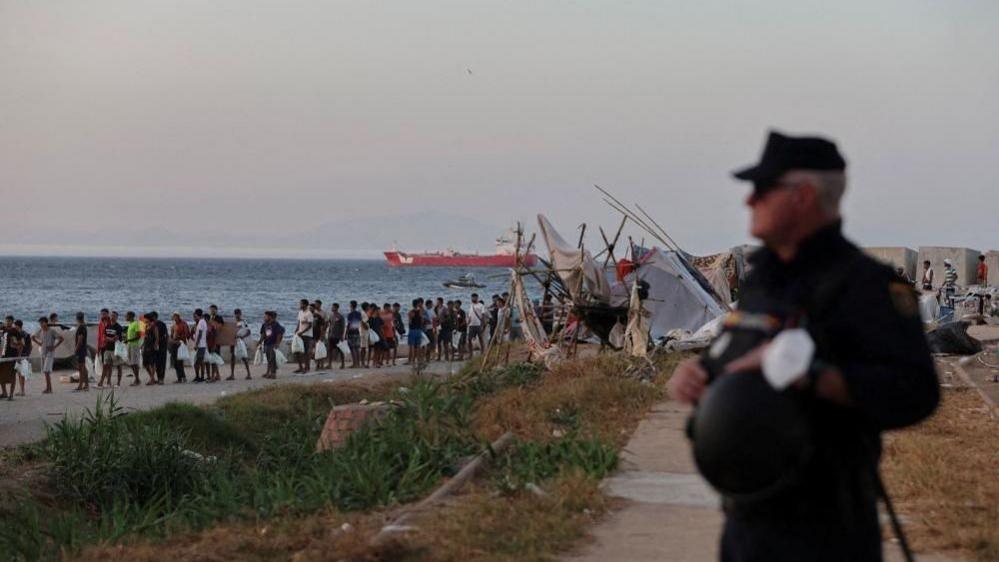
US pop star Ariana Grande has asked the White House to remove her 2024 hit “Bye” from a short TikTok video that promotes border‑control policies. The clip, posted Monday, shows ICE officers placing people in handcuffs, driving them to cars, and escorting them to detention centres. Big‑screen footage is intercut with Grande’s music to create a narrative that the White House’s policy is “secure.”
Grande publicly replied to the post, writing “Please do not use my music in relation to this barbaric, inhumane, heinous nonsense.” Her stance echoes a broader chorus of musicians who refuse to be co‑opted by political messaging. After her comment, the video’s audio was muted and Grande’s caption removed, a move that drew criticism from supporters who noted the missing statement.
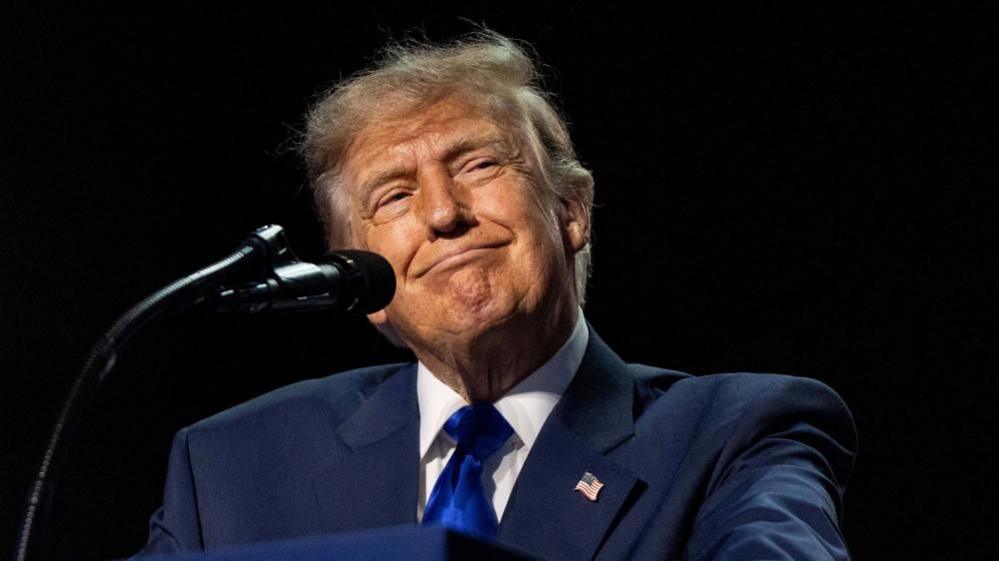
White House spokesperson Abigail Jackson defended the clip, saying the “barbaric, inhumane, and heinous” aspects stem from “criminal illegal aliens” who allegedly harm citizens. This response, however, is at odds with Grande’s insistence that the portrayal itself is disrespected.
The controversy comes after President Trump signed an act that earmarks more than $70 billion for immigration agencies, a budget projected to stretch through the end of his term. That infusion comes at a time when environmental groups argue that increased detention infrastructure could boost energy consumption, waste production, and the carbon footprint of border enforcement operations.
Last year, singer Sabrina Carpenter demanded the White House end all use of her music after a clip featuring ICE activities used a segment of her 2024 track “Juno.” Similar demands have been made by the likes of ABBA, Celine Dion, and Beyoncé, who refused to have their songs featured in Trump’s re‑election campaign events.
This incident reflects growing scrutiny of how political messaging can exploit cultural artifacts, especially when such messaging intersects with policies that have significant social and environmental consequences.