CBS News Leadership Shake‑Up Highlights Need for Impartial Climate Journalism
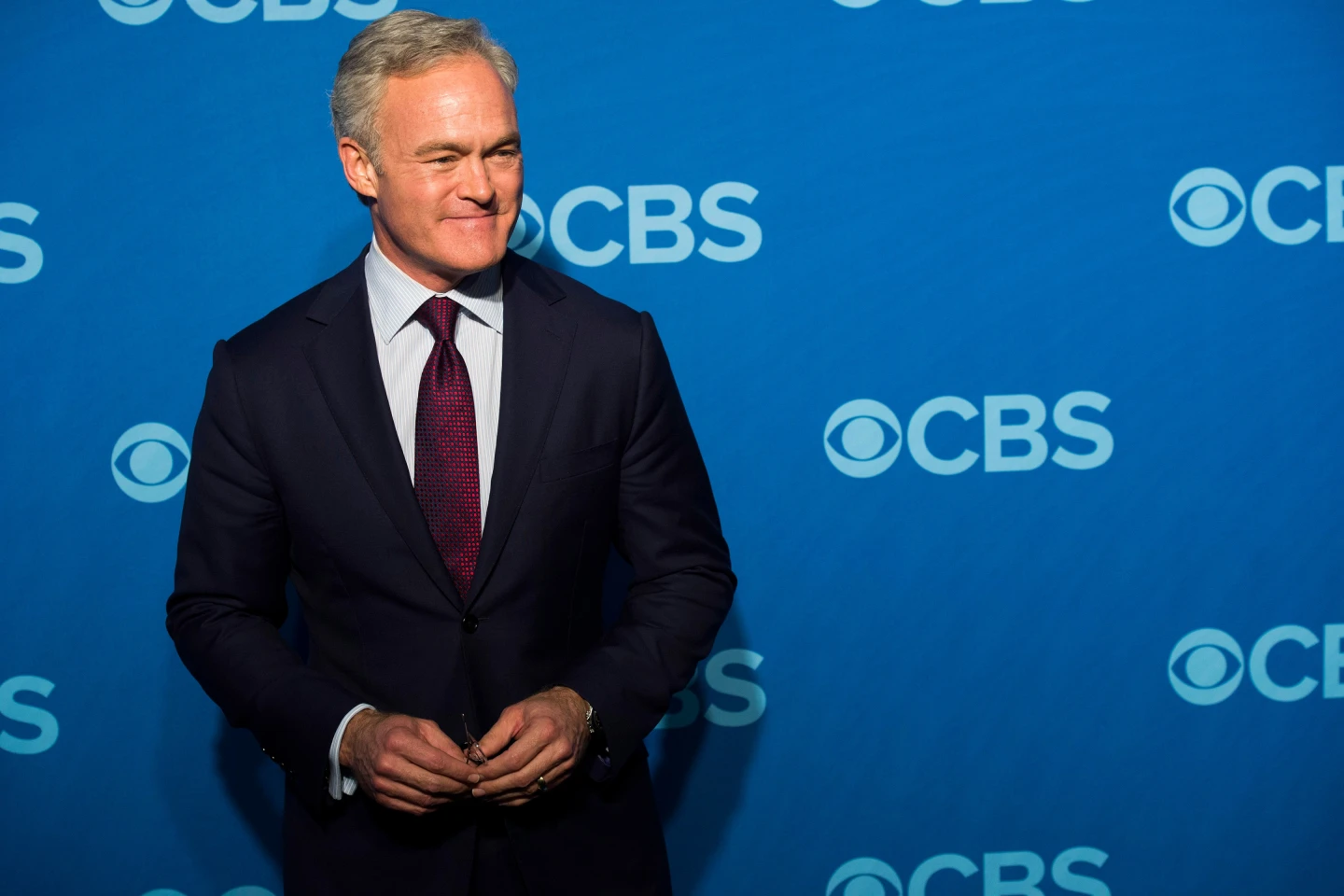
\On Tuesday, CBS News fired longtime correspondent Scott Pelley, who had just criticized the network’s new editor‑in‑chief Bari Weiss for supposedly murdering the show. That announcement came amid a larger leadership overhaul that has sparked debate over the direction of mainstream journalism.
\Pelley’s public statement, released the same day he was dismissed, alleged that the show had lost its DNA under Weiss’s tenure, and that management was demanding “falsehoods and bias.” He also accused CBS CEO David Ellison of abandoning the program’s reputation in favor of appeasing the Trump administration. The conflict arose during a staff meeting in which Pelley called Weiss’s appointment a death blow to the network.
\The controversy is more than a clash of personalities; it touches on the integrity of news coverage. When mainstream outlets pivot away from fact‑based reporting, the stakes for public understanding of climate science are high. In an era of misinformation, the public depends on credible journalism to grasp the urgency of environmental change and to make informed policy choices.
\CBS has long been a trusted source for investigative reporting—its flagship 60 Minutes has featured hard‑hat investigations from the late 1960s to today. The platform’s evolution now, from the eyes of an experienced journalist, could reverberate across the climate media landscape. If editorial bias grows, narratives surrounding the science of global warming, sea‑level rise, and renewable energy might be re‑frame or suppressed.
\Industry analysts warn that leadership changes which lack journalistic experience, such as Weiss’s appointment, could alter the balance between analysis and advocacy. Pelley’s claim that he had been “ambushed” is echoed by other CBS staff who argue that political agendas are increasingly shaped from corporate boardrooms. The episode points to a growing trend of corporate visionaries prioritizing revenue over integrity, potentially narrowing the coverage of climate‑critical stories.
\For journalists, policymakers, and citizen scientists, this event signals a warning: rigorous, evidence‑based reporting is indispensable for democ‑ra‑tic engagement with environmental changes. The new era of CBS must balance commercial interests with the public’s right to an accurate, comprehensive view of the climate crisis.
\If CBS News can maintain journalistic autonomy, it could continue to be a pivotal platform for reporting on climate science, policy, and solutions. Without that autonomy, the public—already educated through citizen science and grassroots reports—risks losing an essential conduit to reliable, starkly factual news content.
\