In brief
Bolivian President Rodrigo Paz declared a state of emergency after weeks of nationwide blockades led by miners, farmers and indigenous groups. The move grants him expanded authority to remove road obstructions that have caused shortages of basic goods and impeded travel. Congress must decide within 72 hours. The unrest began in late April over land‑reform proposals and cuts to fuel subsidies, and some protesters continue to block roads despite a deal with the national union. Paz asserts the protests are orchestrated to destabilise the country and emphasises the need to protect economic stability while acknowledging the threat to livelihoods.
By Joshua Cheetham • June 20, 2026, 15:27 UTC
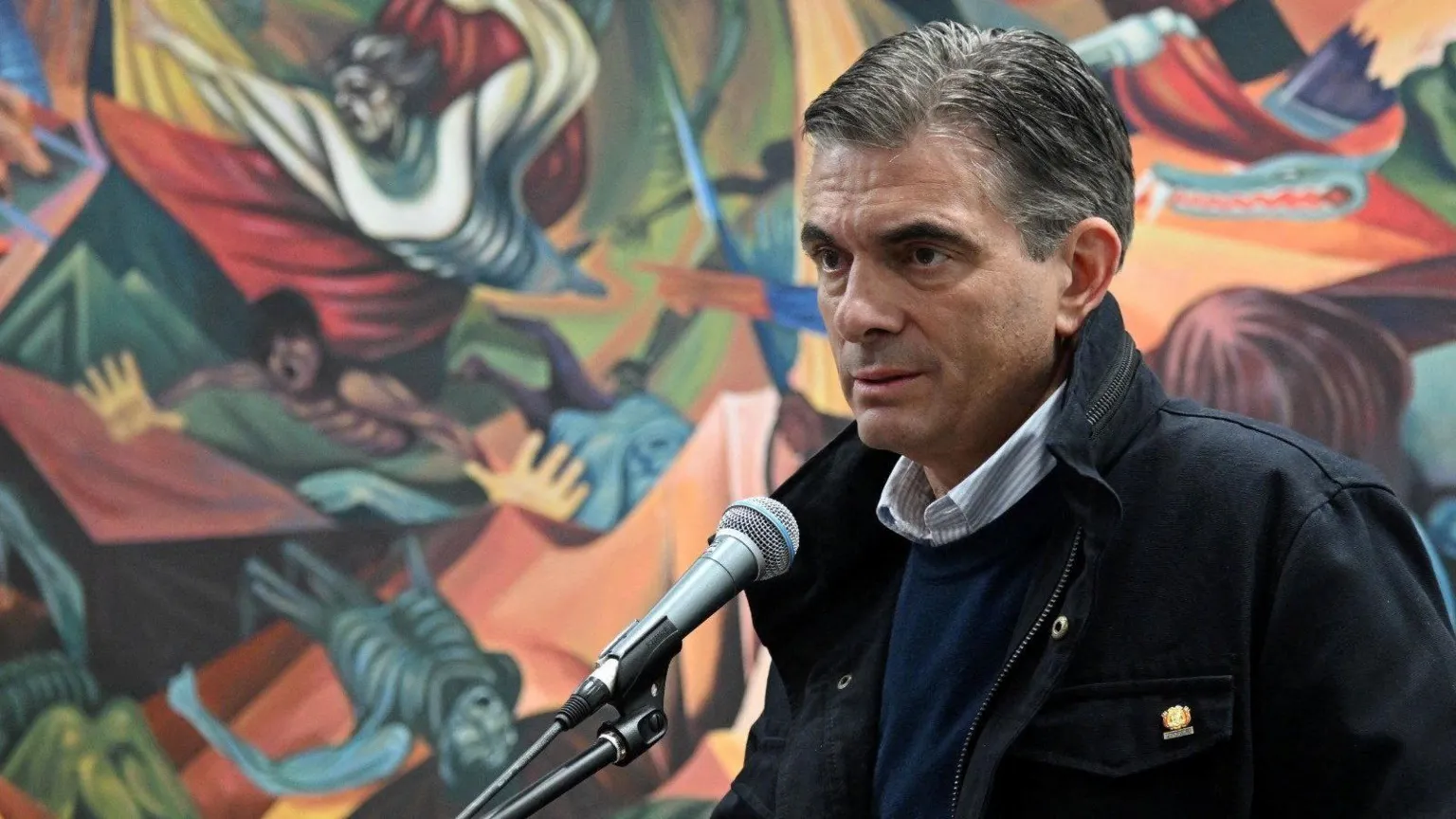
Bolivian President Rodrigo Paz has declared a state of emergency after weeks of protests demanding his resignation, granting him broader powers to clear road blocks that have caused shortages of basic goods and paralyzed large parts of the nation.
In a statement, the president said the state of emergency would "free the country’s roads" and "restore" normalcy.
The move hinges on the approval of Congress, which must act within 72 hours under Bolivian law.
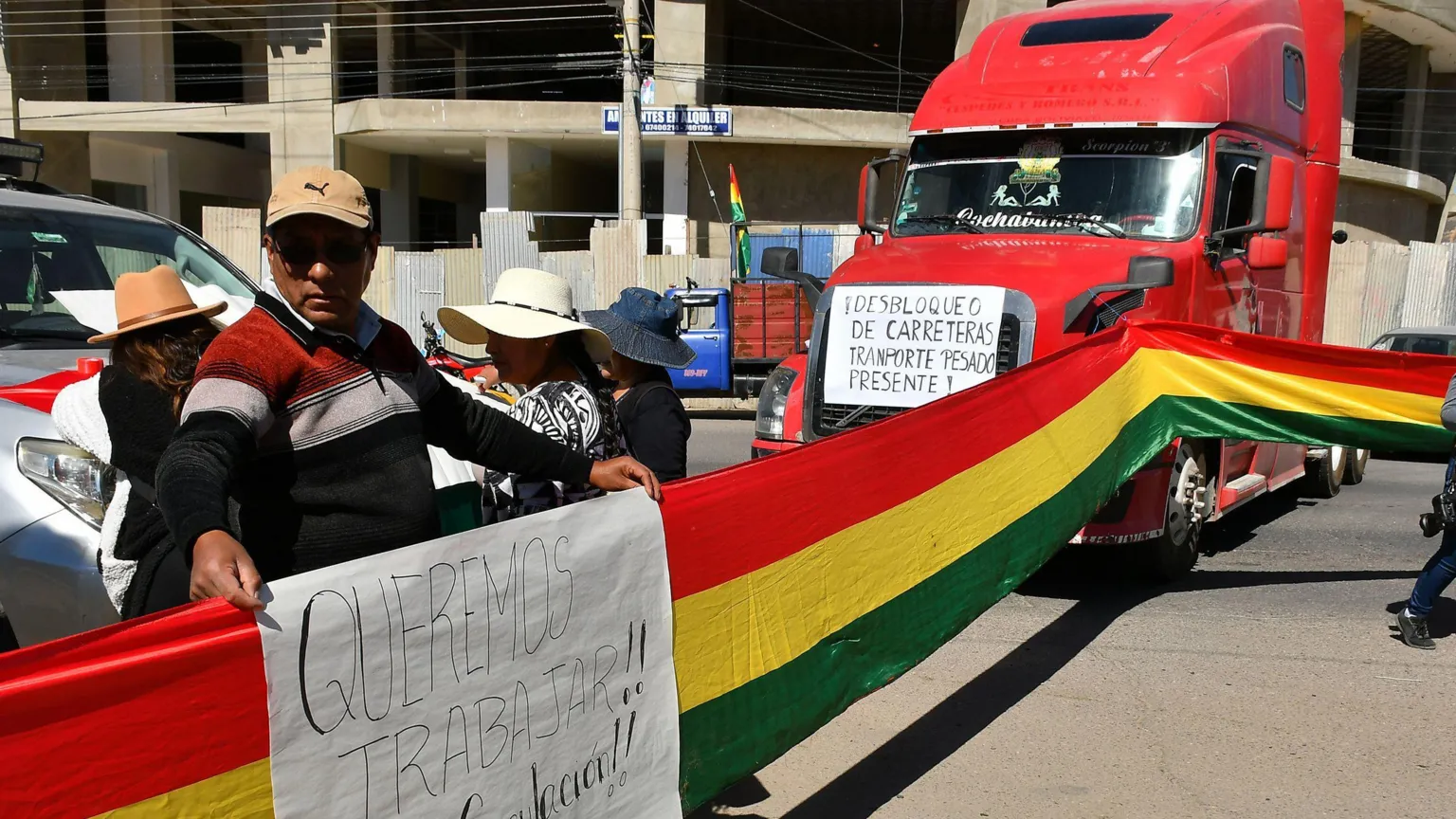
Blockades have been led by miners, farmers and indigenous groups, sparking a broader movement that began at the end of April over a land‑reform proposal that critics said favored large landowners at the expense of smallholders.
Following a deal with the Bolivian Workers’ Confederation, protests continue, with some Indigenous groups pledging to maintain road blocks and disrupt supply lines.
Police and military presence has been reported in major squares as citizens confront the government’s attempt to enforce order.
Paz has since scrapped the land‑reform proposal but has also faced backlash over cuts to longstanding fuel subsidies and proposed constitutional changes that may curb oversight of natural resources.
The president, a centre‑right politician elected in October, argues these changes are necessary to open the economy to private investment, but critics claim they undermine stewardship of Bolivia’s rich biodiversity and mining heritage.
Attempts to ease unrest—cabinet reshuffles, salary cuts for ministers, and a council to negotiate with disadvantaged sectors—have so far failed to quell the protests.
A Congress bill last month also paved the way for the president to deploy soldiers to quell demonstrations, raising concerns about the militarisation of civic conflict.