Machetes, Migration and the Uncertain Future of South Africa
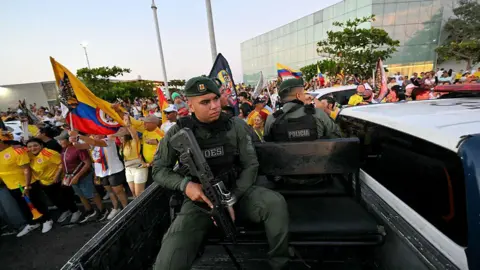
The wind is howling through the informal patches of Durban as up to 7,000 families of undocumented migrants, mostly from Malawi, have gathered in a field desperate for relief. Protesters, waving sticks and chanting “Mabahambe”, have declared 30 June as the debut of a forced exodus for all who live without legal status.
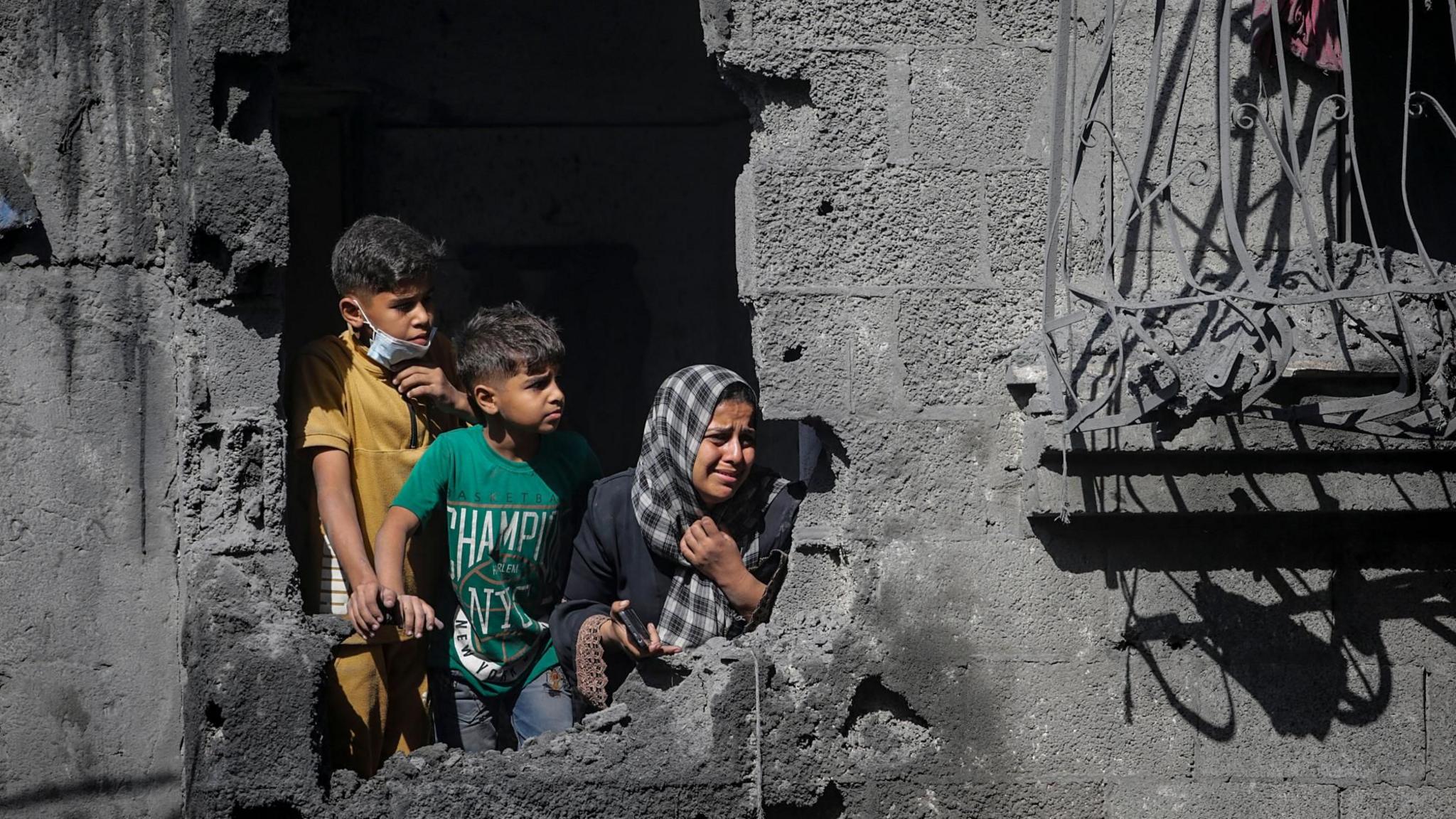
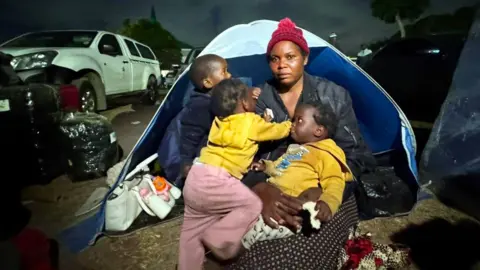
At the heart of the tension stands Esnat Joseph, a 36‑year‑old Malawian mother, who recounts how men rode up to her home, brandishing machetes, and told her “You must leave. We do not want you people to stay.” She fled with her one‑year‑old triplets to the open field, where aid groups offer blankets and food—yet the sense of fear is palpable as many families still have no passports or other documents.
The protests are rooted in a backdrop of lifelong political fragmentation: South Africa’s youth unemployment hits a record 32.7 % with >350,000 job losses in 2026 alone, and the political parties are courting voters with stark rhetoric that seeds contempt for neighbours.
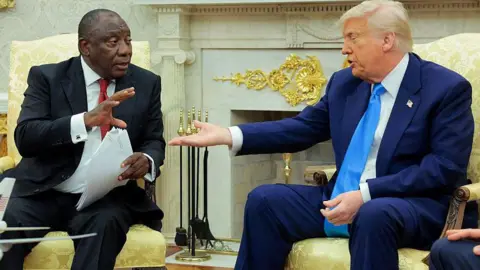
President Cyril Ramaphosa has warned that "scapegoating vulnerable people" offers no remedy. He has launched a five‑point strategy that rejects asylum from safe‑countries, introduces quotas for naturalisation, and expands digital ID reach—measures that some perceive as a crackdown on migrants’ livelihoods.
However, the social fabric is fraying: the field in Durban now hosts “migrant refugees” seeking safe passage, while the government’s Operation New Broom has bulldozed informal shops that dot Johannesburg’s streets—a move that officials call essential for security, yet critics argue it crushes livelihoods and heightens insecurity.
Amid the turmoil, there remains a call for climate‑resilient, inclusive urban policy—especially as mass migration itself is a consequence of climate‑driven resource scarcity. The scenario presents an urgent lens for how global injustice, economic upheaval, and climate risk converge in a single country’s borders.