In brief
At a recent event celebrating the 'Make America Healthy Again' initiative, Robert F. Kennedy Jr. received acclaim from health technology leaders, yet dissent simmered beneath the surface. Criticism from his former supporters and environmental advocates highlights a rift over the initiative’s direction and perceived compromises with pharmaceutical companies. Frustrations reveal challenges within the coalition, raising concerns about maintaining unity while addressing the complex landscape of healthcare and environmental advocacy.
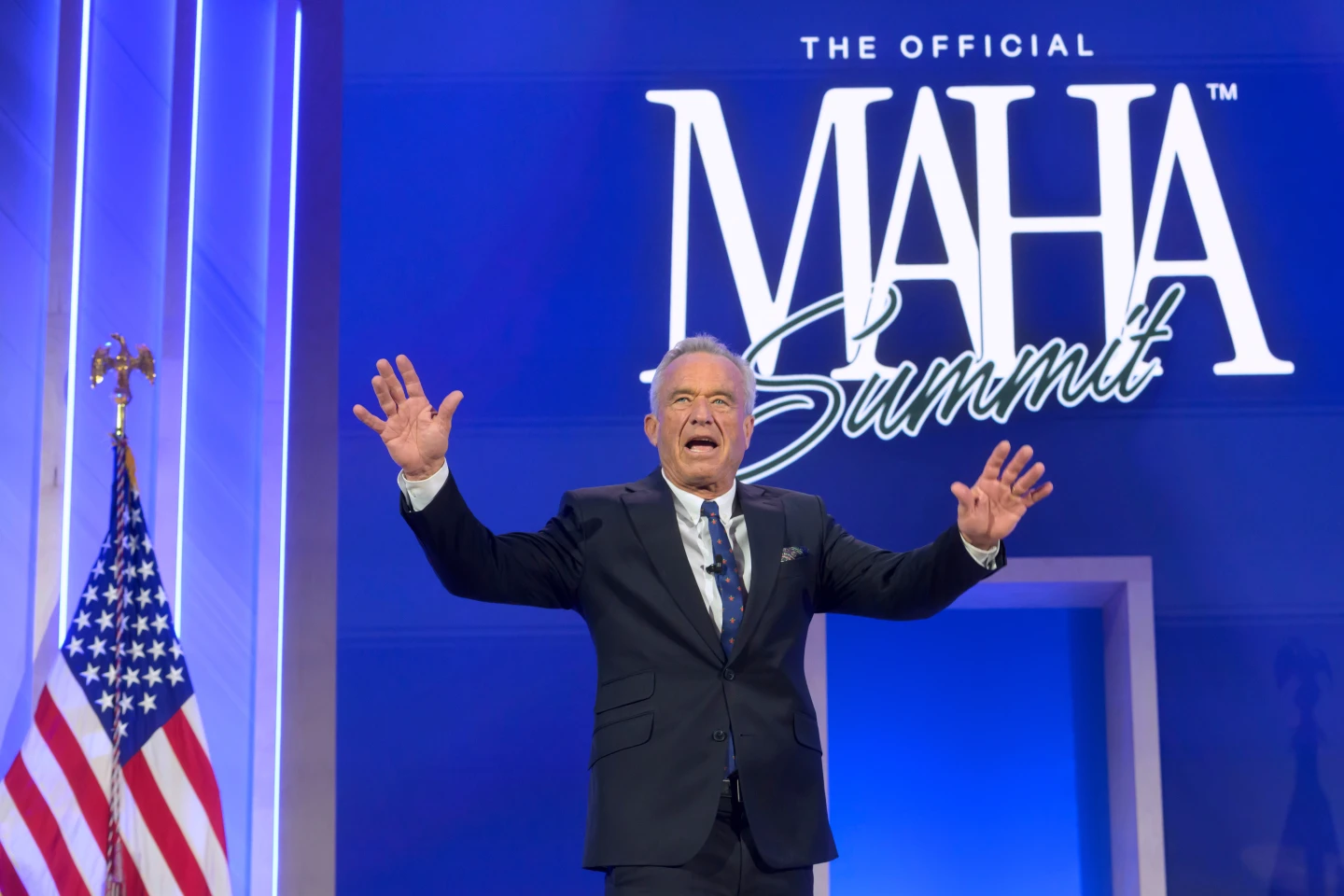
At a recent health event in Washington, Robert F. Kennedy Jr. was met with accolades from technology leaders and political allies championing the Make America Healthy Again (MAHA) initiative. However, this optimism was not reflected in the sentiments of several of Kennedy’s former supporters who criticized perceived shifts in the initiative’s focus.
Gray Delany, a former health official, expressed dissatisfaction during a podcast, stating, MAHA is not MAHA anymore. This reflects a growing unease among environmental advocates who feel that their priorities are not being adequately addressed and that the initiative appears to be aligning more with corporate interests.
Kennedy has strategically broadened the initiative's scope, but this expansion has led to frictions among those who helped catalyze his political presence. Many advocates are becoming impatient with what they consider insufficient action on their goals, including criticisms directed at collaborations with pharmaceutical companies.
While the MAHA initiative has gained substantial public support—about two-thirds of Americans endorse it according to a recent Ipsos poll—critics within the movement worry that corporate partnerships could undermine the foundational values of health advocacy.
Kennedy's movement, marked by its commitment to health and environmental bolstering, faces a challenge in maintaining its unity as diverse voices and competing interests emerge. Despite the accolades, the coalition teeters on the brink of fragmentation, echoing long-standing challenges faced by movements with large, diverse bases.
Moving forward, many involved stress the importance of transparency, accountability, and measurable results to ensure that the essence of the initiative remains rooted in genuine health improvement rather than corporate gain.