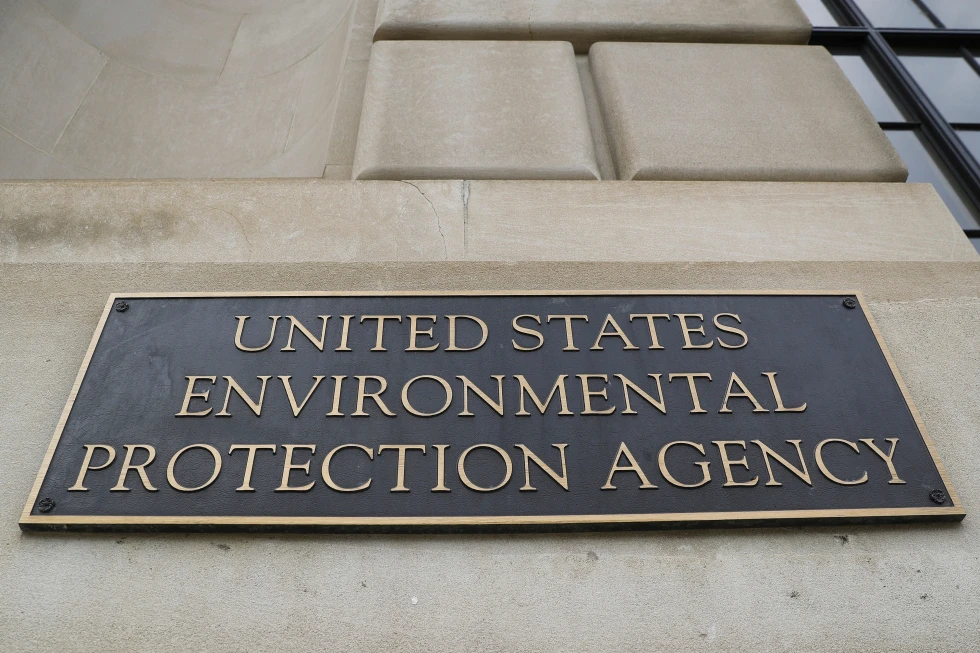
In a significant rollback of climate regulations, the Trump administration has rescinded the endangerment finding— a pivotal declaration from 2009, stating that greenhouse gases pose a serious risk to public health and welfare. This action, finalized by the Environmental Protection Agency (EPA), has alarmed environmental groups who view it as a major setback in the fight against climate change.
The endangerment finding established that carbon dioxide and other greenhouse gases endanger public health, thereby serving as the legal basis for a wide range of climate regulations under the Clean Air Act. Experts warn that repealing this finding could lead to the elimination of emissions standards for vehicles and other significant pollution sources, unleashing further environmental damage.
As voiced by environmental law professor Ann Carlson, this repeal represents a “higher degree of havoc” than previous regulatory rollback efforts by the Trump administration. While EPA Administrator Lee Zeldin hailed the decision as the largest deregulatory action in U.S. history, critics argue that it undermines essential protections against climate-related threats.
Environmental advocates have characterized this repeal as the most substantial assault on federal authority to combat climate change to date. The change directly supports Trump's commitment to promoting fossil fuel production and undermines regulations that have been upheld by the Supreme Court in the case of Massachusetts v. EPA.
Former EPA head Gina McCarthy labeled the administration’s decision as reckless, asserting that it favors the fossil fuel industry at the cost of public health and the environment. As the scientific community emphasizes the growing urgency of addressing climate change, activists express concern that this repeal could hinder future efforts to mitigate the climate crisis.
The actions taken by the Trump administration reflect longstanding desires by many conservatives to eliminate what they consider overly restrictive regulations that hinder economic growth. However, the implications for public health and environmental protection could be dire, as the transportation sector is the largest contributor to U.S. greenhouse gas emissions.
With environmental regulations under siege, the future of climate policy in America remains uncertain, as activists mobilize to counter these administrative changes, advocating for sustained action against climate change and its ever-increasing threats.