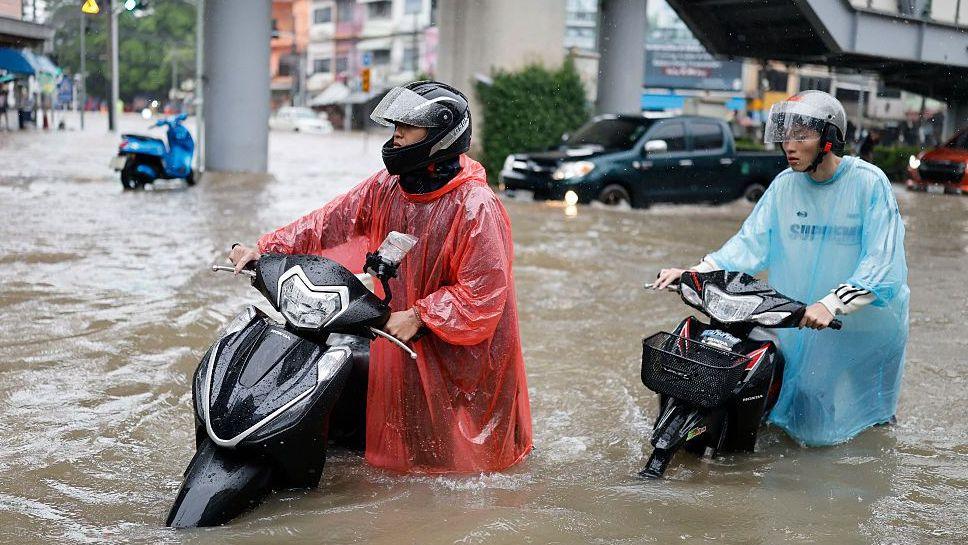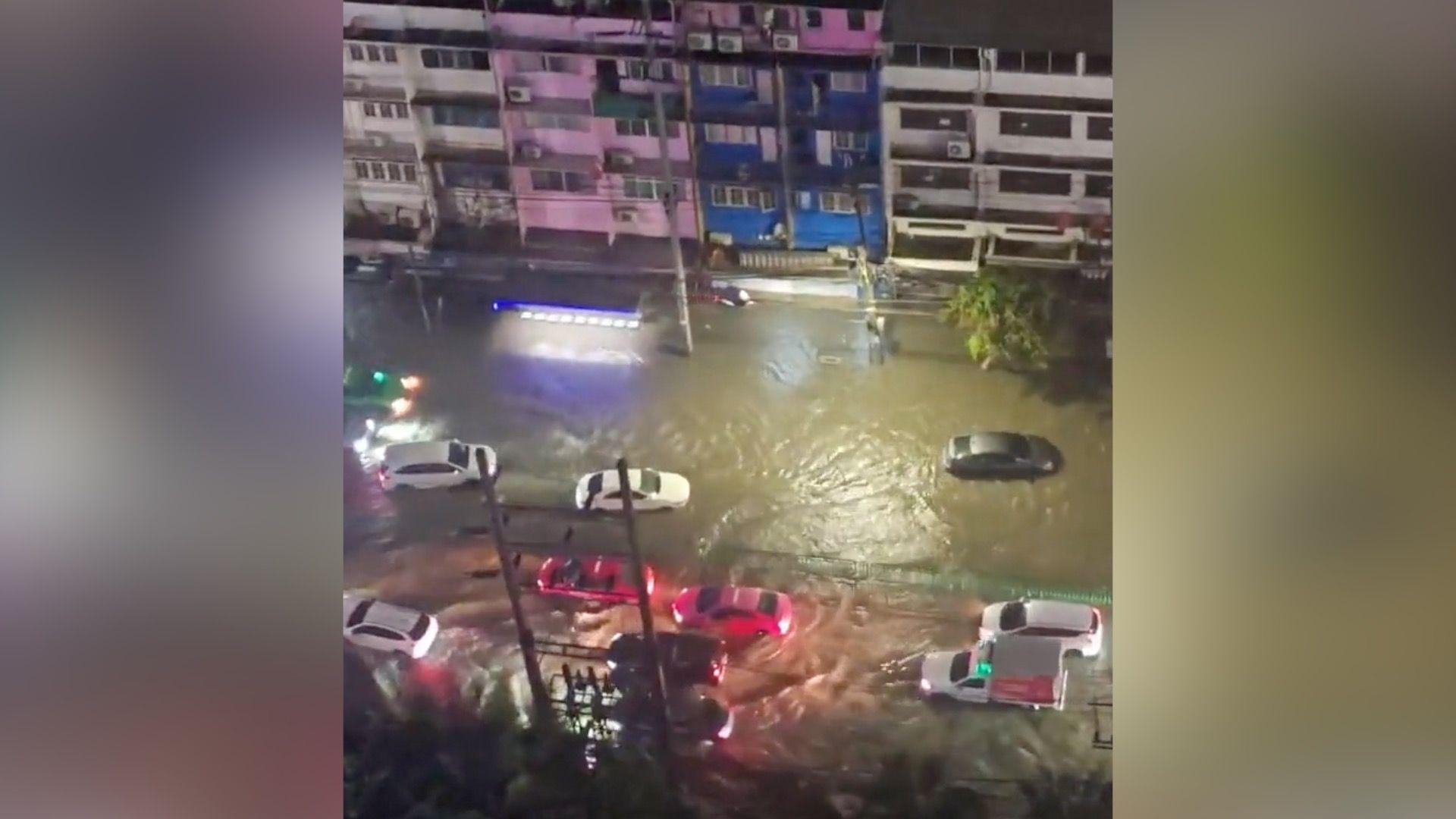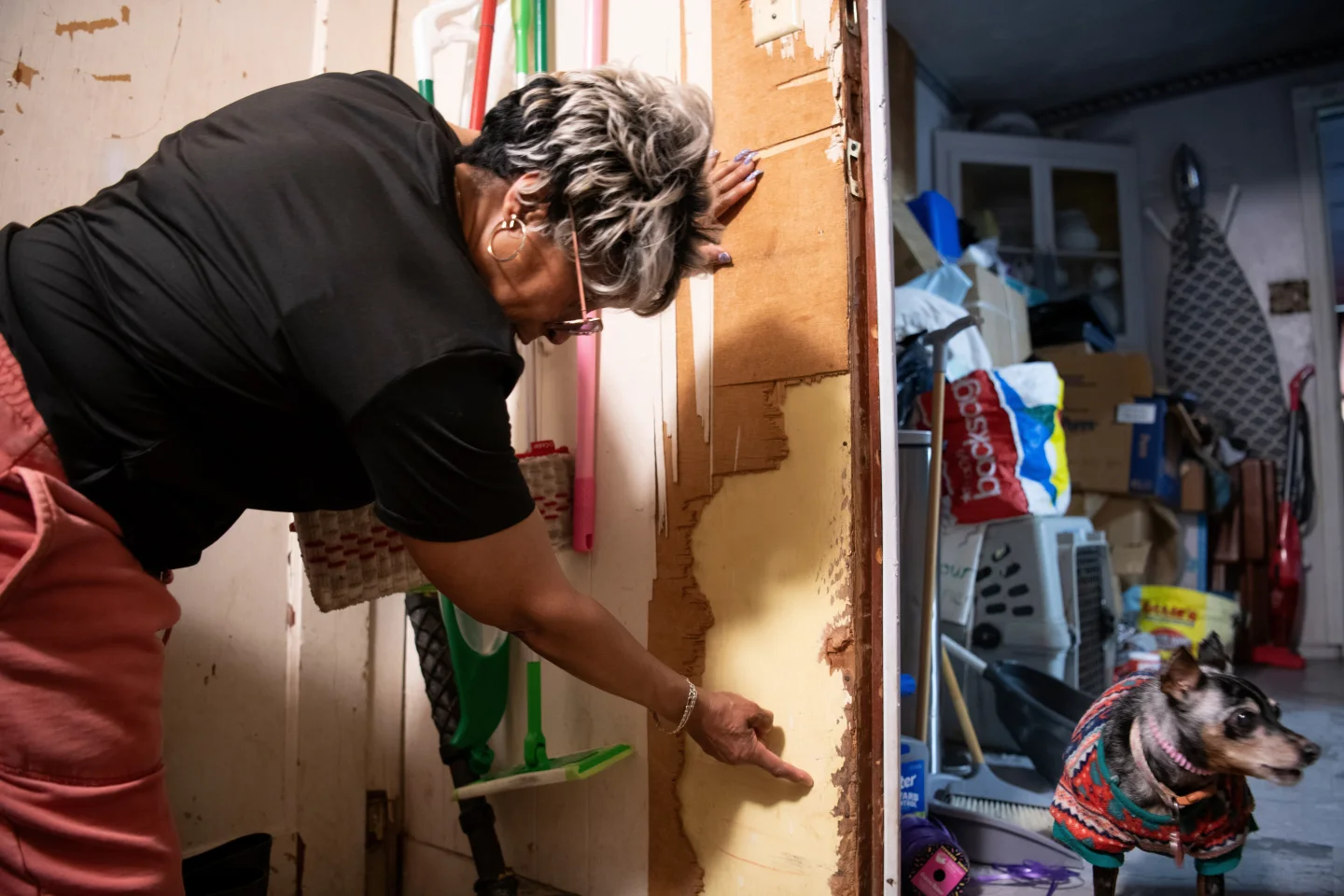
CAHOKIA HEIGHTS, Ill. — Yvette Lyles viewed her modest brick ranch home as a special gift for her family, offering proximity to parks and the chance to create lasting memories. However, soon after moving in, she discovered her community was vulnerable to severe flooding, leading to repeated sewage backflow and significant damage to their home.
“I had to turn my back so my children wouldn’t see me cry,” Lyles recounted, as the floods forced her family to remain trapped for days.
Cahokia Heights, a predominantly Black city with a significant poverty rate, illustrates a national issue where aging wastewater systems pose a direct threat to residents and their properties. Many communities, particularly in rural areas or those with declining economies, lack the funds and expertise to rectify these urgent problems.
The Bipartisan Infrastructure Law under the Biden administration promised critical financial support to address these inequalities, yet many of those funds were cut under the Trump administration, impacting vital wastewater projects in marginalized communities.
For instance, planned investments in Alabama aimed at installing septic systems in predominantly Black areas were thwarted. Meanwhile, grant cancellations have left areas like Thomasville, Georgia, stranded as they struggle to manage outdated sewer lines that exacerbate flooding and health risks.
The situation is dire: over 17 million Americans are served by wastewater systems failing to meet federal standards. Increased investment in infrastructure is desperately needed, with an estimated $630 billion required over the coming decades to address flooding and water quality issues.
“This isn’t just an environmental issue; it’s a matter of health and dignity,” Catherine Coleman Flowers, founder of the Center for Rural Enterprise and Environmental Justice, emphasized. The struggle for sufficient funding continues, especially as many of the hardest-hit communities find it increasingly challenging to navigate bureaucratic processes without assistance.
Shaw, Mississippi, showcases the urgent need for intervention; studies found alarming health issues among children tied to poor sanitation. In Cahokia Heights, the ongoing threat from sewage underscores the need to prioritize environmental justice in infrastructure funding.
Many advocates caution that while recent federal initiatives may offer some hope for repairs and improvements, persistent political opposition hampers access to necessary resources, leaving marginalized communities in precarious conditions.