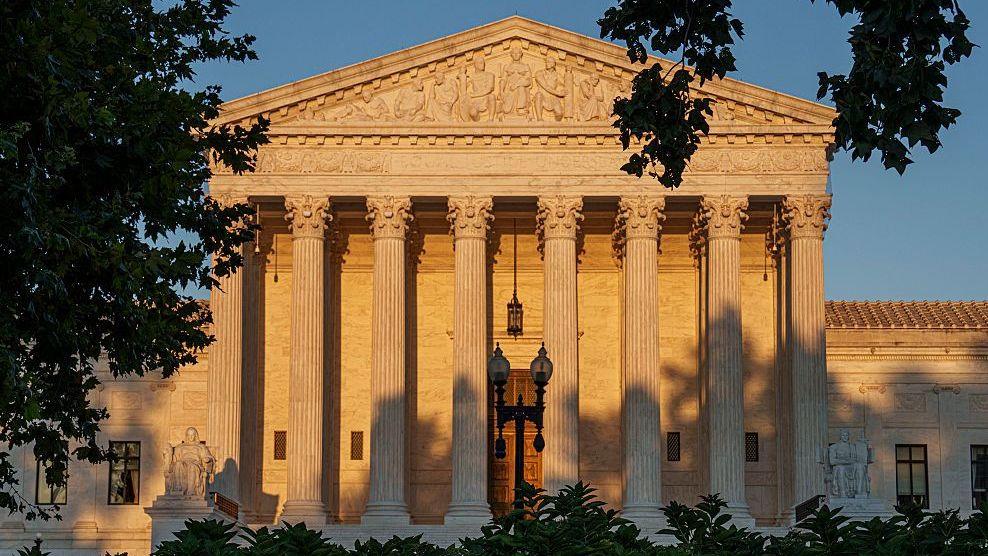
On Wednesday, the US Supreme Court rejected Christa Pike’s last-ditch attempt to stop her scheduled execution, reinforcing Tennessee’s decision to proceed with lethal injection.
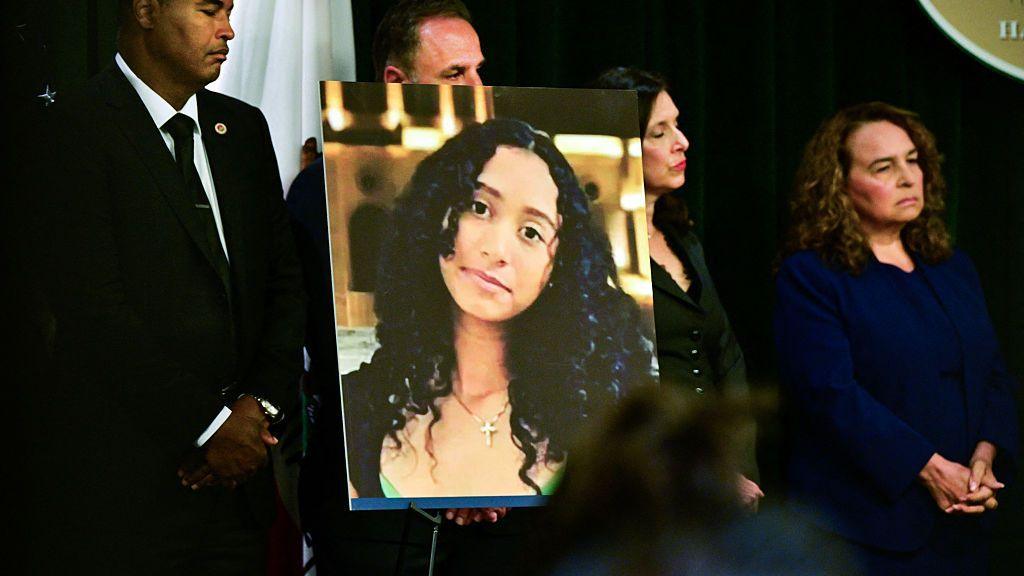
Criminal proceedings have squeezed together a stark 30‑year timeline: Pike, now 50, earned her death sentence in 1996 after being convicted of the brutal murder of teenage classmate Colleen Slemmer.
In an effort to avert the irreversible, her lawyers filed a petition with the high court, hoping for judicial intervention before the Wednesday execution. The Supreme Court declined, meaning Pike will become the first woman to be put to death in Tennessee after a 200‑year hiatus.
Governor Bill Lee, who denied a clemency request earlier this week, stated he would not intervene in the state’s execution schedule.
Pike was 18 at the time of the crime. Her prominent position on death row—once the youngest in Tennessee—has drawn scrutiny from advocates who argue that the criminal justice system ought to treat youthful offenders with greater nuance. Critics point to her youth and alleged mental vulnerabilities as key reasons why the death penalty should be revoked.
Her execution is set for 11:00 a.m. (15:00 GMT) at the Riverbend Maximum Security Institution in Nashville, a moment that has spurred intense public and legal debates about the death penalty’s legacy in the United States.