
In brief
In a dramatic response to a series of deadly wildfires, Algeria’s parliament passed a law making the deliberate set‑on of forests or fields punishable by death. The new measure follows a brutal summer in which over a hundred fires broke out across the country’s north‑east. While the official death toll stands at 12, independent reports estimate it near 200, underscoring the catastrophic loss and the broader climate‑driven threat. Experts note that the harsher penalties aim to curb arson that has grown “organised” amid climatically intensified conditions, though international human‑rights groups warn of the punitive policy’s implications. The legislation also expands capital crimes to certain child‑abduction cases, reflecting a heightened stance on domestic violence.
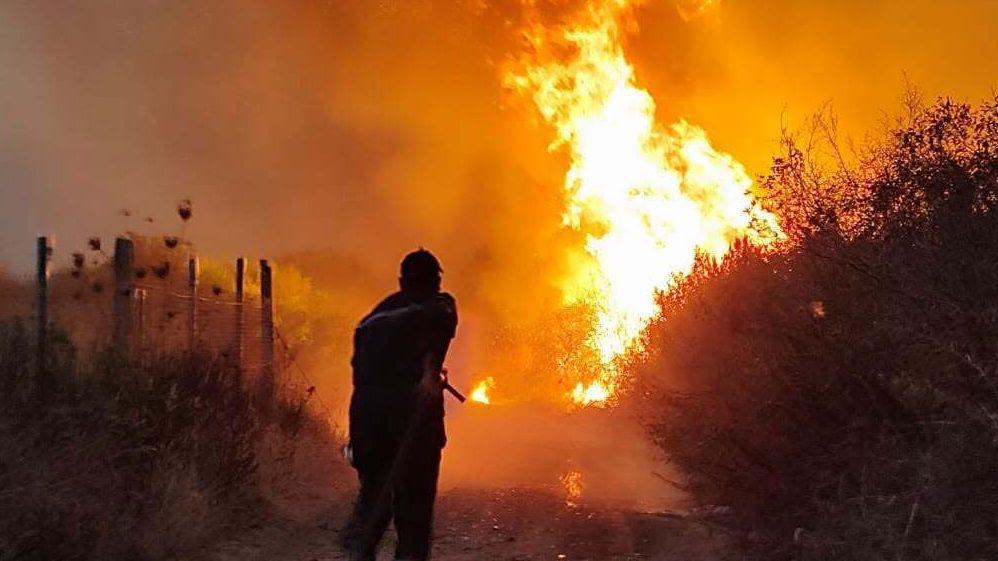
Algeria’s national assembly approved a new criminal code amendment that lists deliberately setting ablaze forests, woods or fields as a capital offence, effective from today. The move follows a scalding summer in which more than a hundred blazes erupted across the north‑east, killing at least 12 people officially while independent estimates sit around 200.
President Abdelmadjid Tebboune instructed the justice ministry to incorporate the death penalty after a heat‑wave linked to intensified climate conditions turned what were once manageable fires into widespread, forest‑burning catastrophes.
In line with recent amendments to curb child abductions, the law also expands the death penalty to certain kidnapping cases that involve torture or sexual assault. Justice Minister Lotfi Boudjemaa told parliament the measure was “an appropriate legal response to curb these crimes,” citing evidence of organised arson and suspected foreign involvement.
While capital punishment has not been executed in Algeria since 1993, the new bill signals a shift toward harsher penalties amid growing environmental risks. The Council of the Nation will now review the draft before the president signs the law into effect.
Investigative journalist Nozha Khelaleff’s death‑toll estimate on the independent Twala website lists 200 fatalities, a stark reminder of how climate change can magnify both the intensity and human cost of wildfires.
The legislation is part of a wider alarm: as global temperatures rise, hot, dry seasons drive more frequent and severe wildfires worldwide, challenging existing legal and protective frameworks. Critics argue that while deterrence is essential, such punitive measures could undermine broader community resilience efforts and international cooperation on fire‑management and climate adaptation.