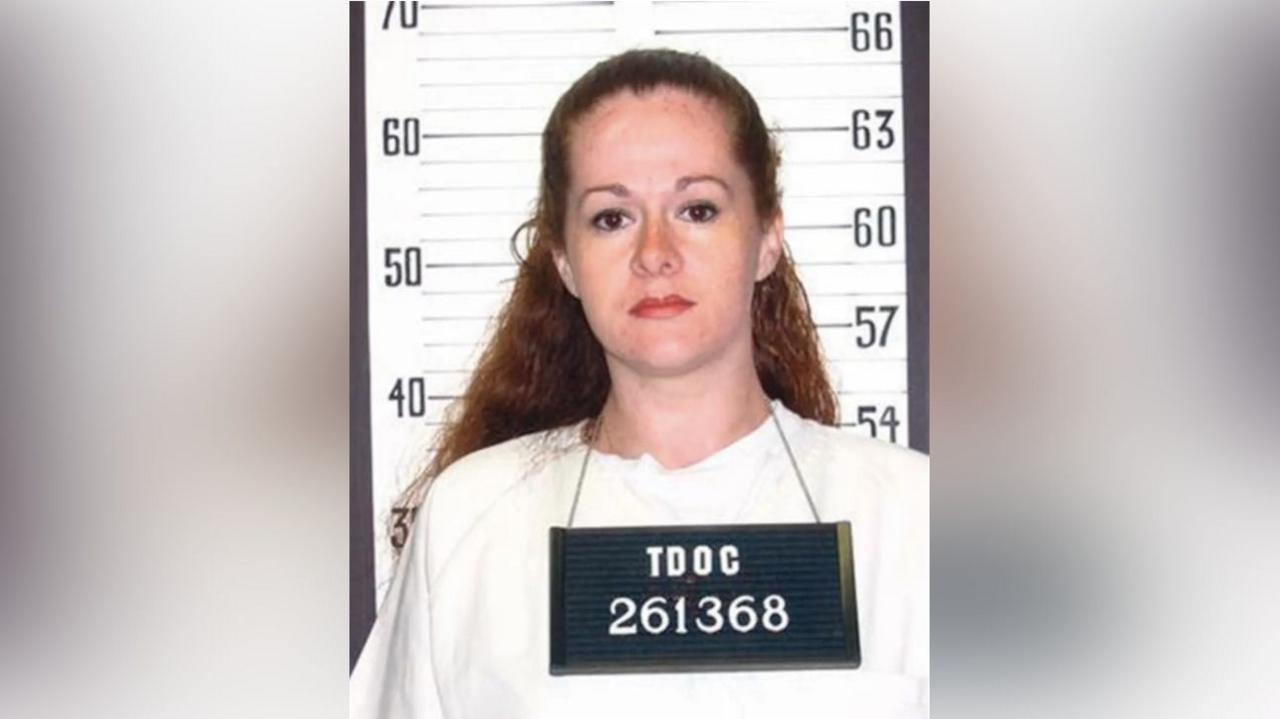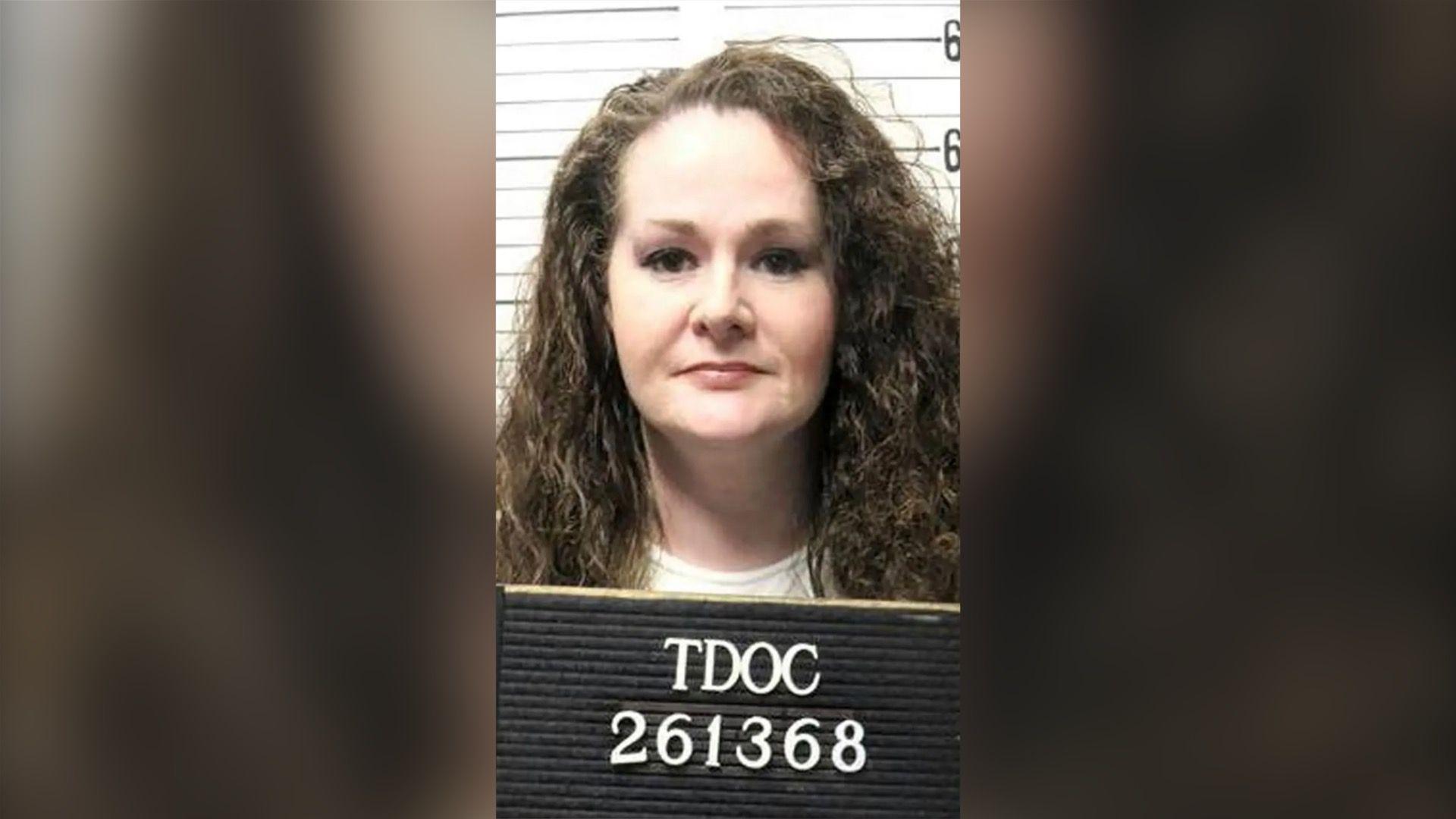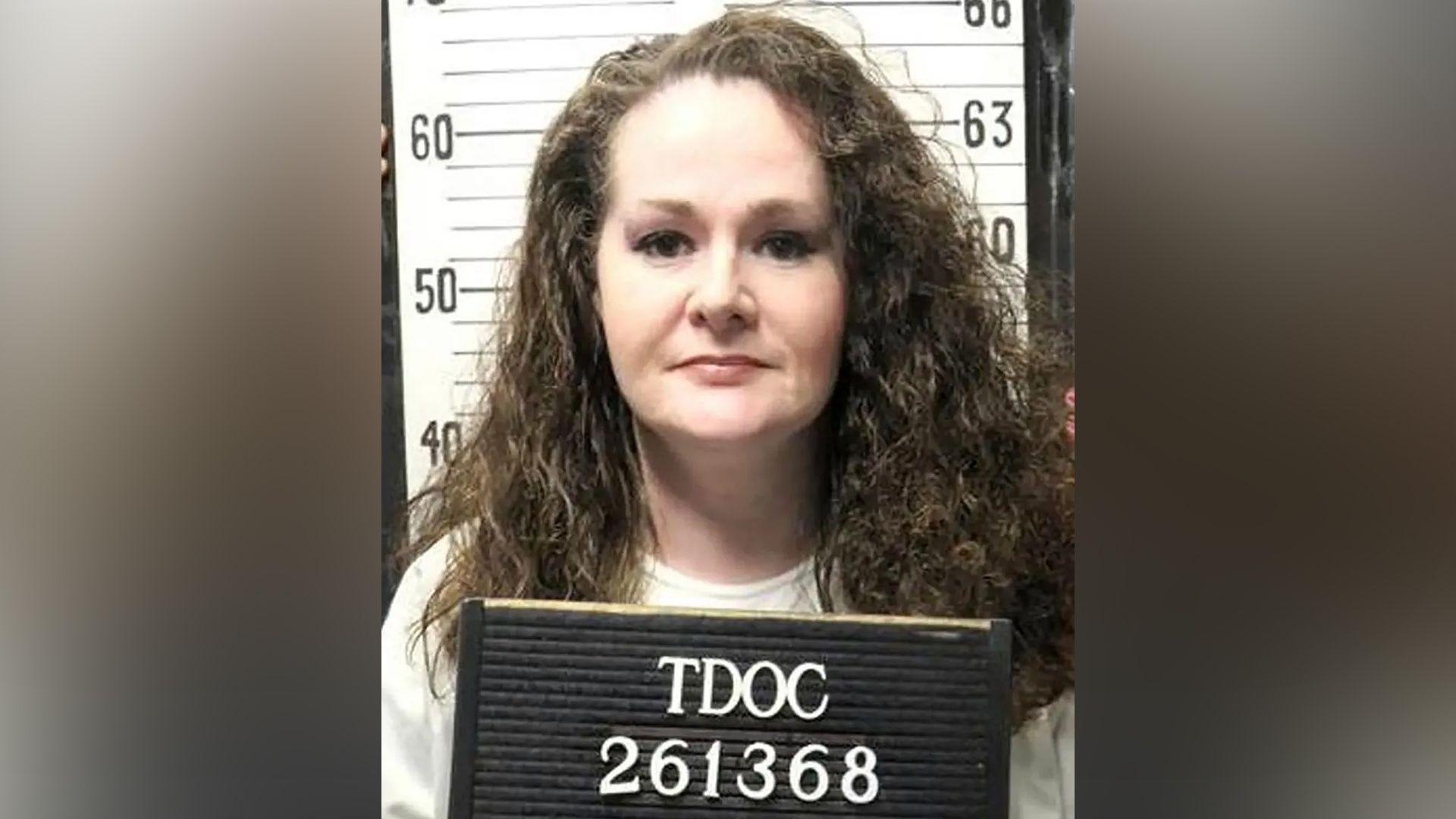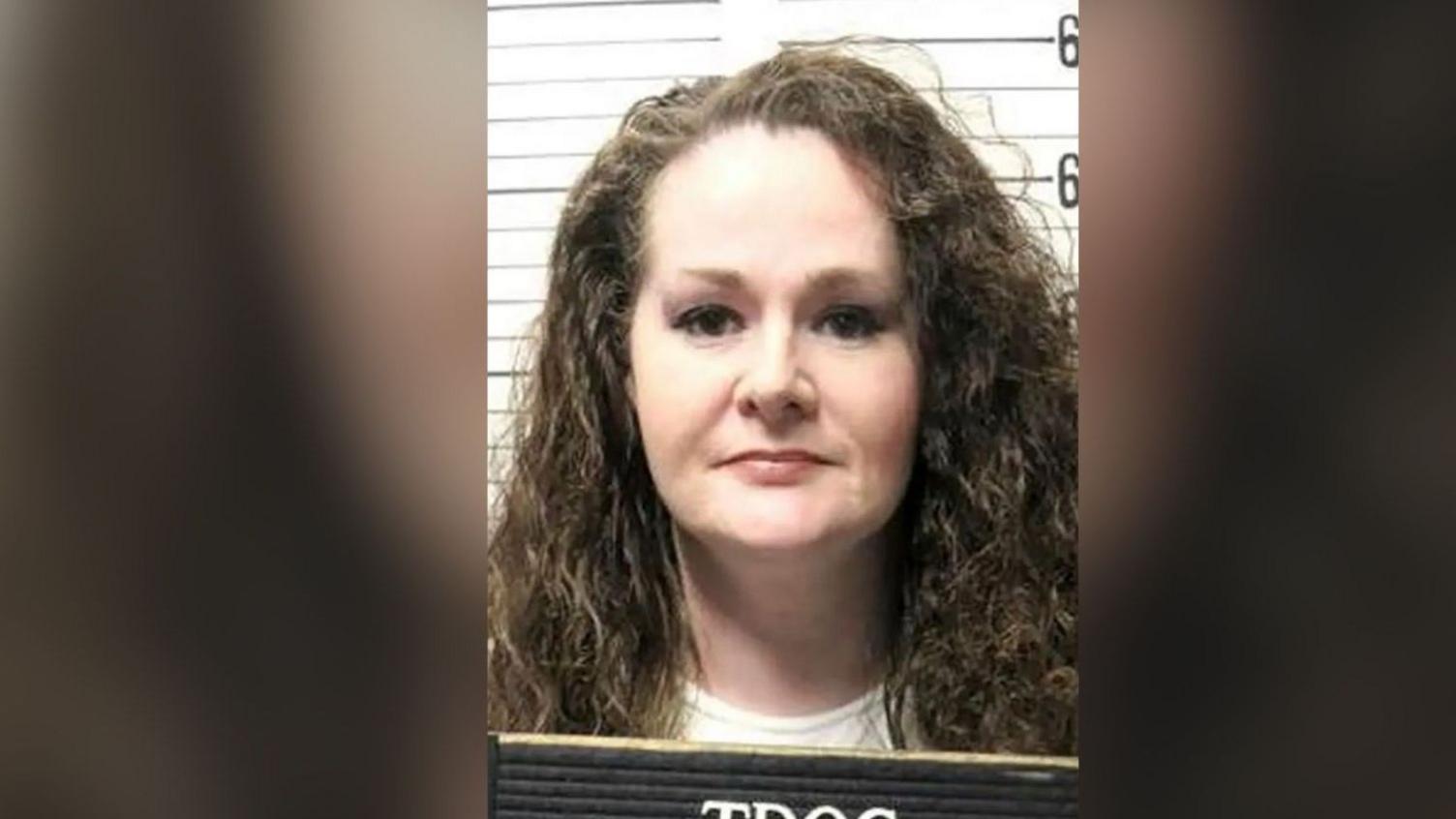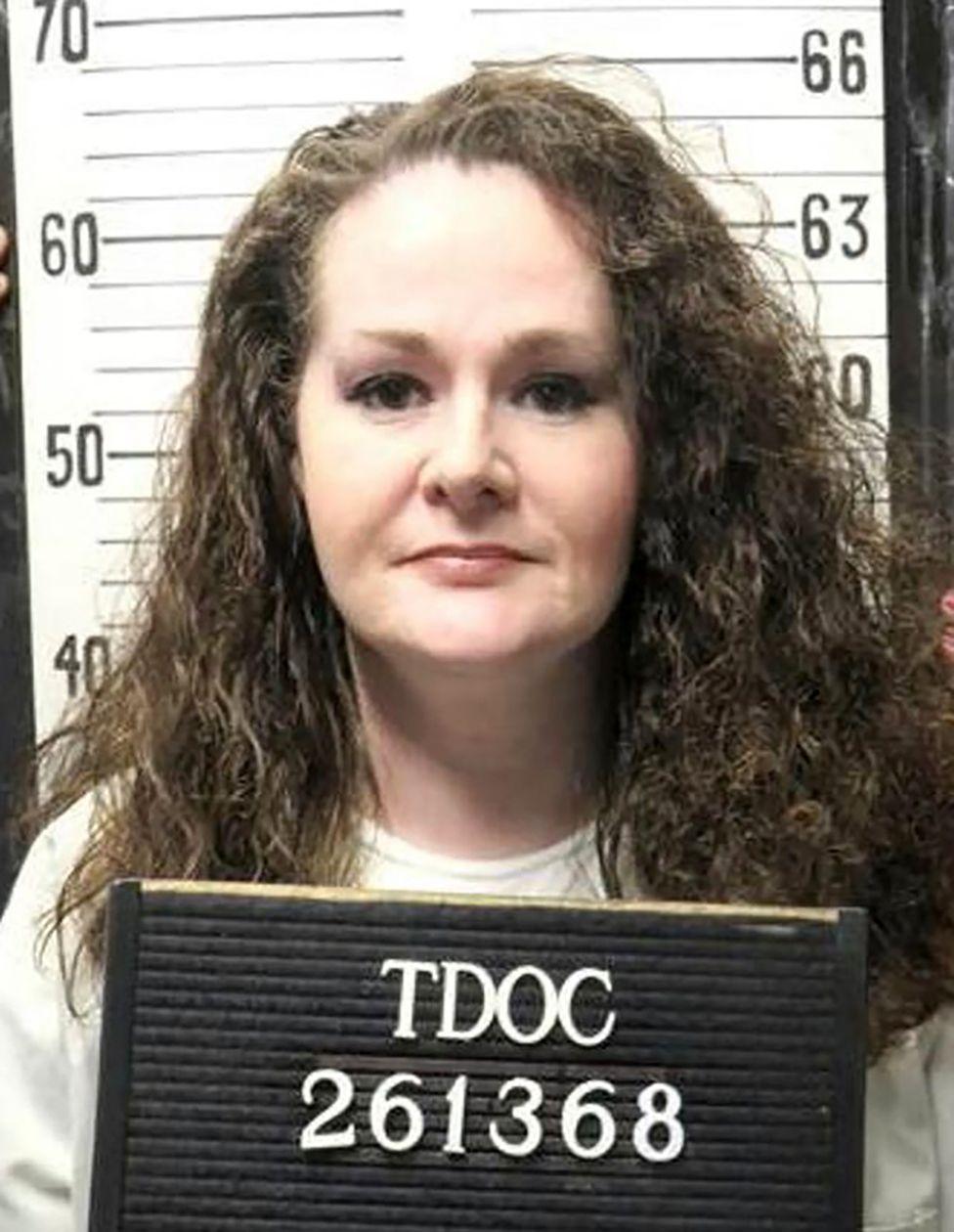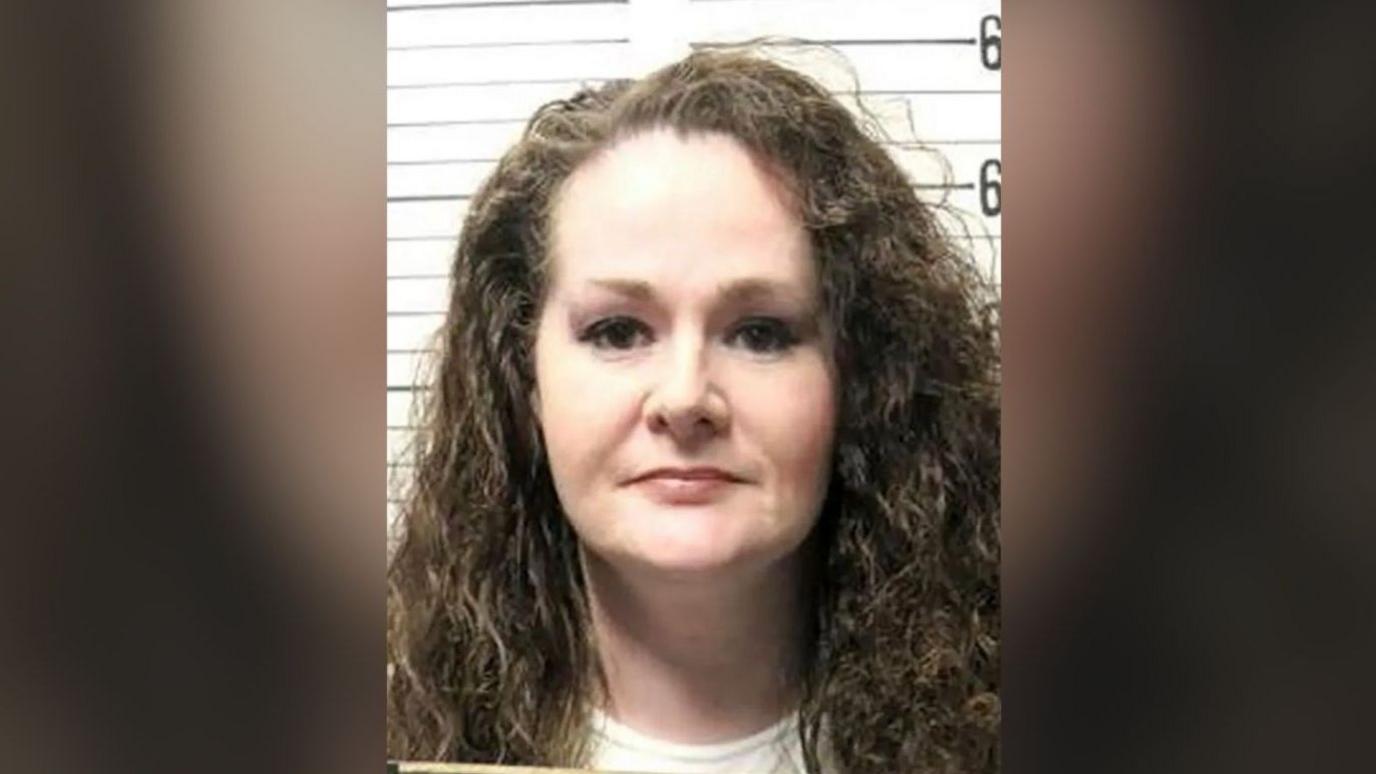
In a shocking turn of events, Tennessee death‑row inmate Christa Pike was rendered unconscious, intubated and placed on a ventilator after authorities failed to execute her by lethal injection on 2 October 2026. The attempt involved two doses of the barbiturate pentobarbital, but due to improper intravenous lines, the drug never entered Pike’s bloodstream effectively, leaving her alive and transported to a hospital.
Pentobarbital is chemically synthesized on a large scale, and its manufacture generates significant quantities of hazardous by‑products. The mishandling of the drug during the botched execution not only inflicted extraordinary suffering on Pike but also produced additional toxic waste that must be disposed of safely, raising questions about the environmental footprint of lethal injection protocols.
Medical experts involved in Pike’s defense state that her blood‑clotting condition, thrombocytosis, likely prevented the drug from circulating, while also pointing to potential degradation of pentobarbital due to improper storage. This scenario highlights the broader risks associated with storing and handling large volumes of toxic pharmaceuticals in correctional facilities, a practice that can contribute to accidental exposure and environmental contamination.
In response, Tennessee Governor Bill Lee has ordered an independent review into the state’s execution practices and announced a temporary halt of all executions for the year. The review aims to examine not only procedural failings but also the ecological consequences of employing chemicals that are both lethal to humans and hazardous to ecosystems.
The incident has reignited debate among scholars, activists and policymakers about the moral legitimacy of capital punishment and the environmental costs it carries. Advocates are calling for a comprehensive reassessment of risk‑management protocols, greater transparency in chemical handling, and exploration of alternative, less toxic methods for state‑mandated death. These discussions are critical as they intersect the lives of incarcerated individuals, the integrity of public institutions, and the stewardship of our planet’s resources.