In brief
In late 2021 a hastily‑assembled inflatable dinghy capsized off the French coast, claiming 31 lives. A four‑week trial in Paris saw six traffickers sentenced between six and ten years for involuntary homicide. The case exposes the perilous conditions of illicit small‑boat crossings and underscores the urgency of safer, regulated maritime transport solutions that align with climate‑action and sustainable development goals.
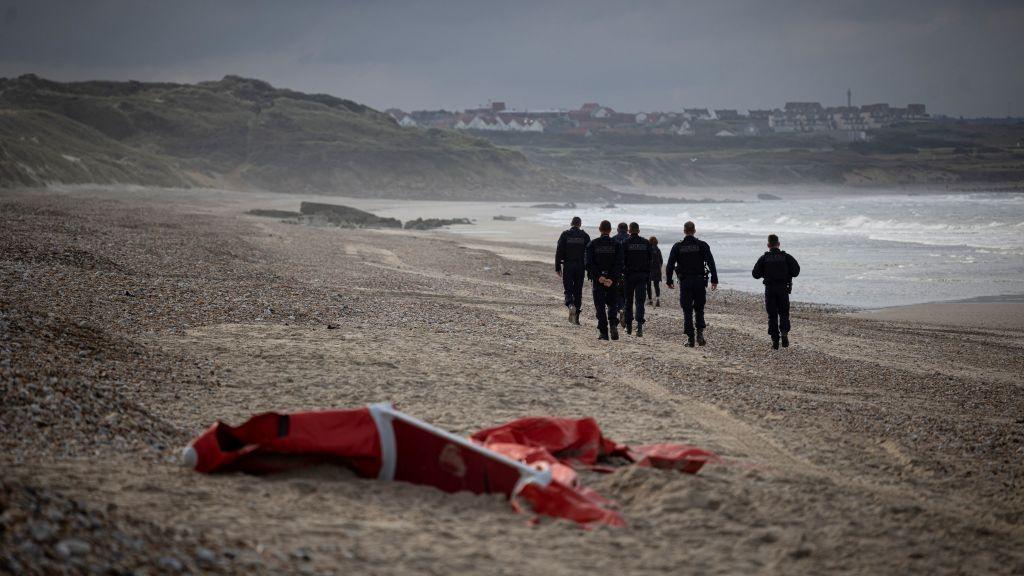
In late 2021 a makeshift inflatable dinghy, overloaded and without proper life jackets, capsized off the northern French coast, killing 31 migrants and leaving only two survivors. The tragedy exposed the desperate lengths people will go for safety and opportunity in the face of geopolitical hardship.
After a four‑week trial in Paris, six traffickers were found guilty of involuntary homicide. Sentences ranged from six to ten years, while seven other defendants received up to four years and one was acquitted. The case highlighted the police’s use of phone‑tracking to dismantle two smuggling networks – one Kurdish‑led, the other Afghan – that co‑ordinated the cross‑Channel journey.
- Six traffickers convicted, 6‑10 year prison terms.
- Seven received lesser sentences; one cleared.
- Networks operated from France through Turkey, Italy to the French coast.
- Lead Afghan trafficker, Obaidullah Maroofkhel, received 10 years.
- Seven French coastguards implicated for failing to respond to distress calls.
Family members who flew from Iraqi Kurdistan shared their stories, underscoring the lack of viable alternatives and the emotional toll on communities left behind. One survivor, Issa Omar, described fighting on the water and the psychological aftermath of losing fellow passengers.
Beyond the human tragedy, the incident underscores the environmental hazard of unregulated, unstable small boats. The Channel is a critical maritime corridor and the use of makeshift vessels increases collision risk, marine pollution from abandoned life‑jackets and debris, and strain on emergency services—issues that intersect with broader climate resilience planning.
As France and the UK signaled the end of the “one‑in‑one‑out” migrant scheme, the conviction sends a legal message that human trafficking through unsafe maritime routes must be curtailed. It also urges policymakers to prioritize regulated, sustainable transport infrastructure for vulnerable populations, reducing the incentive for dangerous boat crossings that threaten lives and ecosystems alike.