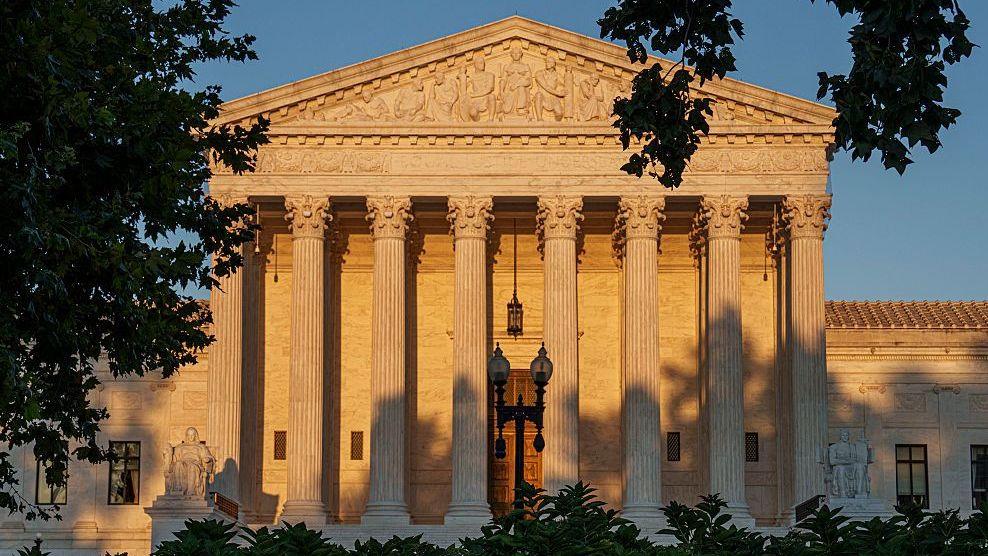
Supreme Court Denies Last‑Minute Plea to Stop Tennessee Execution
The United States Supreme Court rejected a last‑ditch appeal filed by Christa Pike, 50, on the eve of her scheduled execution by lethal injection at Riverbend Maximum Security Institution in Nashville. Pike was convicted of murdering 19‑year‑old Colleen Slemmer in 1995 and sentenced to death in 1996. The case has drawn national attention for its unusually complex legal and ethical facets.
Pike’s attorneys had argued that, as an 18‑year‑old at the time of the crime, her brain had not reached adult maturity and that the death penalty was improperly imposed on a teenager. The Supreme Court’s refusal to grant an emergency stay means the execution will proceed, making Pike the first female inmate in Tennessee to die by capital punishment for over 200 years. Across the United States, only 18 women have been executed since the 1970s versus 1,663 men.
On Monday, Tennessee Governor Bill Lee denied a request for clemency, stating he would not intervene in the planned execution. The ruling follows a recent media frenzy involving a pentagram carved into Slemmer’s chest and allegations that Pike had previously boasted about the murder.
The case highlights ongoing debates about criminal justice reform, especially concerning the treatment of young offenders and gendered disparities on death row. While the Supreme Court’s decision underscores the strength of state death‑penalty statutes, it also raises questions about broader systemic inequities that intersect with other social justice movements.
Additional reporting by Sareen Habeshian.