Sudan Drone Strike Kills 41, Exposing Environmental Toll in Blue Nile Region
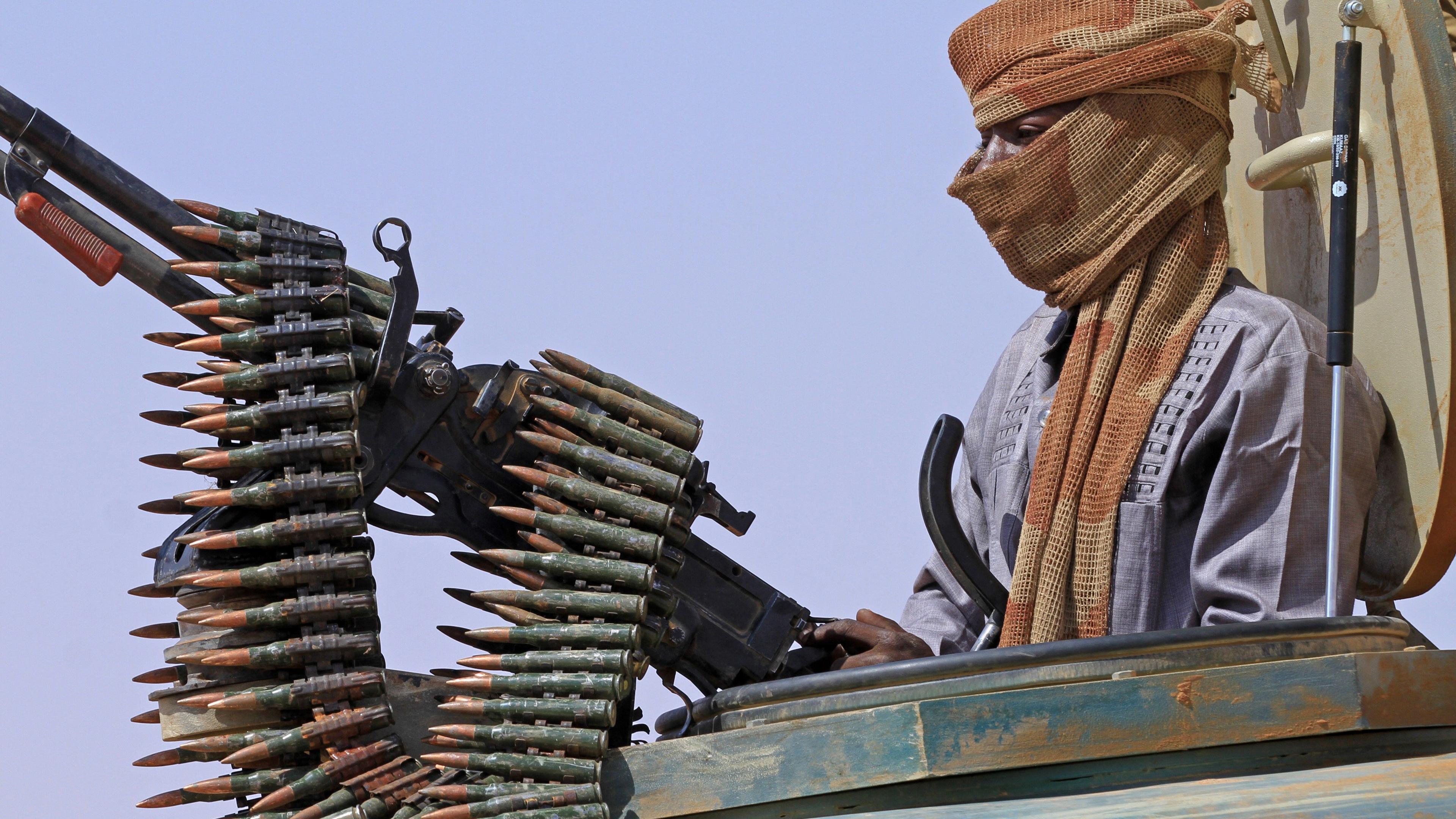
A rapid‑support forces drone attack in Sudan’s Blue Nile region on the Ethiopian border has killed 41 people, the rights group Emergency Lawyers reports. The strike targeted a camp for displaced persons in the Abu Shandi area, where most of the victims were said to be women and children.
The UN Office for the Coordination of Humanitarian Affairs (OCHA) condemned the attack, calling it “appalling” and noting that the area had been under sustained attacks, displacing thousands more and exposing hundreds to grave harm.
The backdrop of Sudan’s power struggle—ongoing since 2023—has amplified humanitarian hardships, with the conflict already displacing over 14 million people. These displacement pressures strain local ecosystems: water sources become over‑exploited, agricultural lands are abandoned or overgrazed, and natural habitats face increased risk of degradation.
The war‑torn landscape is a stark reminder that conflict and environmental change are intertwined. Climate‑driven droughts intensify scarcity of resources, turning rural communities into conflict‑vulnerable hotspots. In turn, these conflicts create a vicious cycle, further eroding ecosystems and threatening climate adaptation efforts.
Amid the humanitarian crisis, international voices call for urgent aid and a lasting resolution that integrates environmental resilience. Only by addressing both the immediate human toll and the long‑term ecological damage can the region hope to secure a peaceful, sustainable future.