Data‑Centre Attacks Spring New Demand for Green Digital Infrastructure
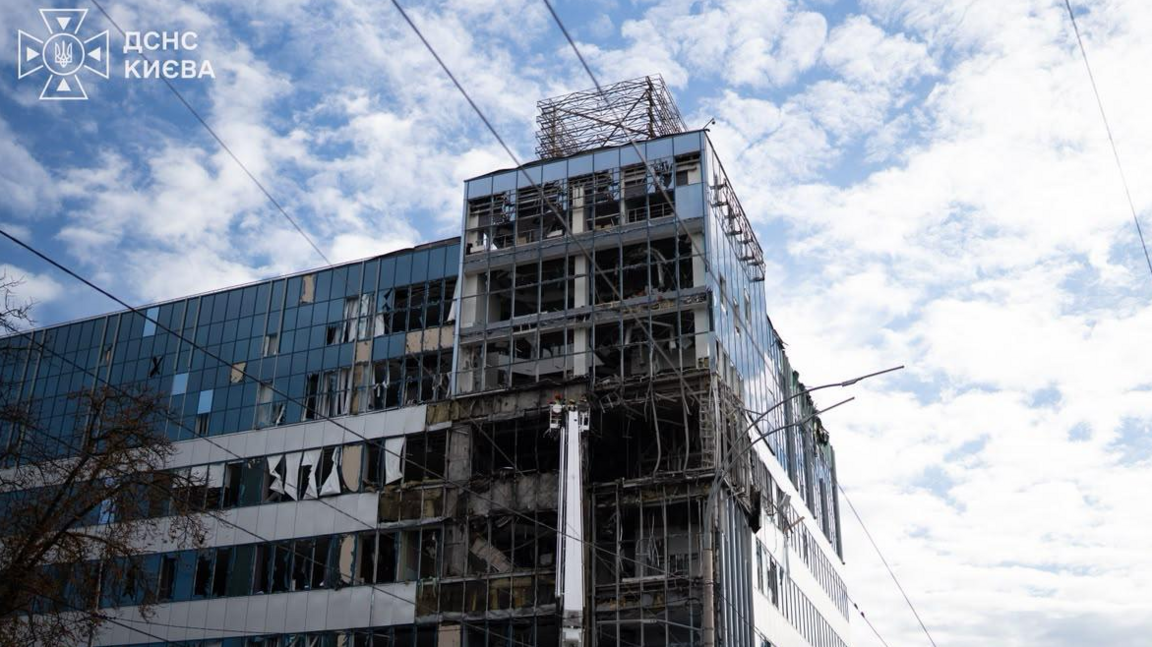
In the early hours of September 25, a Russian drone struck a Kyiv business centre, destroying part of a data‑hosting complex run by Datagroup. The blast killed four civilians and forced the temporary shutdown of a critical Internet backbone that serves roughly 100,000 households in the capital and surrounding region.
President Volodymyr Zelensky condemned the attack as an attempt to cripple everyday life, citing the “massive outage of connectivity that hampers work, study and even emergency alerts.” He called for a coordinated international response so that Russia “feels the impact of its terror.”
Data centres are extraordinary power consumers – large, centralized facilities that drive up national electricity demand and produce significant greenhouse‑gas emissions. The Ukrainian government’s statement that services are now operating from backup sites highlights a shift toward distributed geographies, a solution that can reduce peak load and improve redundancy.
Back‑up servers notoriously operate on the same grid, but the Kremlin’s strategy to target both data‑processing and telecommunications hubs is a wake‑up call for the tech sector. Decentralised “edge” computing, built on renewable energy sources, could both increase resilience and lower carbon footprints. Belarusian and German experts are already discussing design guidelines for “green‑first” micro‑data centres in conflict zones.
The European Union’s recent €6.6 bn aid package now earmarks funds expressly for infrastructure upgrades. One line item supports systems that maintain “life‑saving information” – vital for emergency services during war and for ensuring continuous climate‑data streams during sudden weather events.
Moscow’s parallel strategy of intensifying attacks on energy and railway infrastructure underscores the importance of a seamless power grid. Renewable energy projects, such as tidal and solar farms, can offset the grid shock by providing more stable local supply, reducing the need for large “spinning reserve” plants that are less carbon‑friendly.
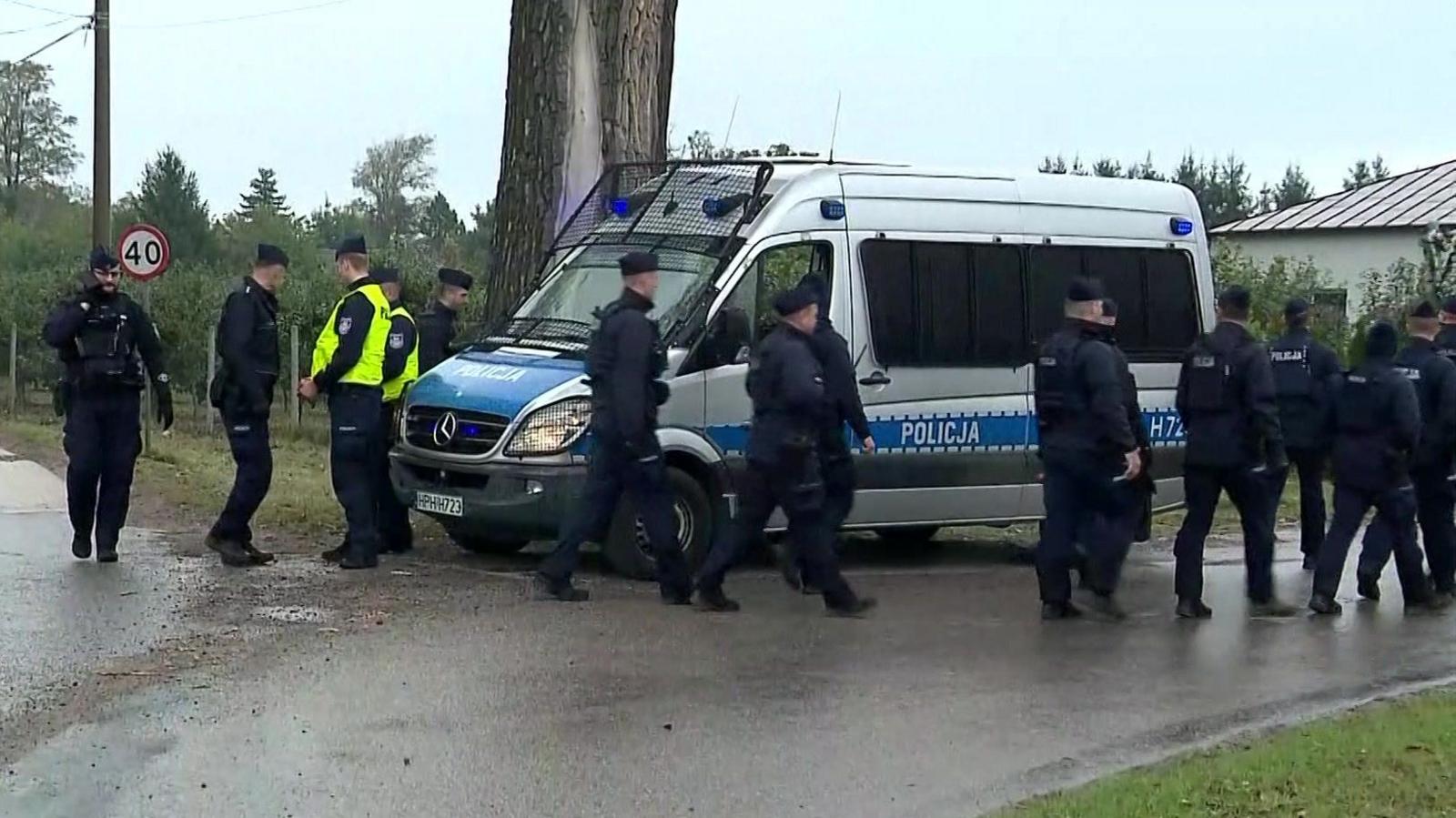
The conflict’s reverberations far exceed Ukrainian borders. In Poland, a suspected sabotage of a Starlink satellite station – a critical Internet node that hinges on SpaceX’s low‑Earth‑orbit constellation – demonstrates how digital lifelines are now viewed through the lens of hybrid warfare. The incident has prompted the national prosecutor’s office to investigate potential links to Russian special forces.
Against this backdrop, climate‑innovation advocates argue that the war accelerates a needed pivot toward resilient, low‑carbon digital infrastructure. By fostering international cooperation in grid‑resilience, battery storage, and distributed data‑hosting, the global community can turn a destructive event into an opportunity for sustainable change.
Image credit: DSNS Ukraine