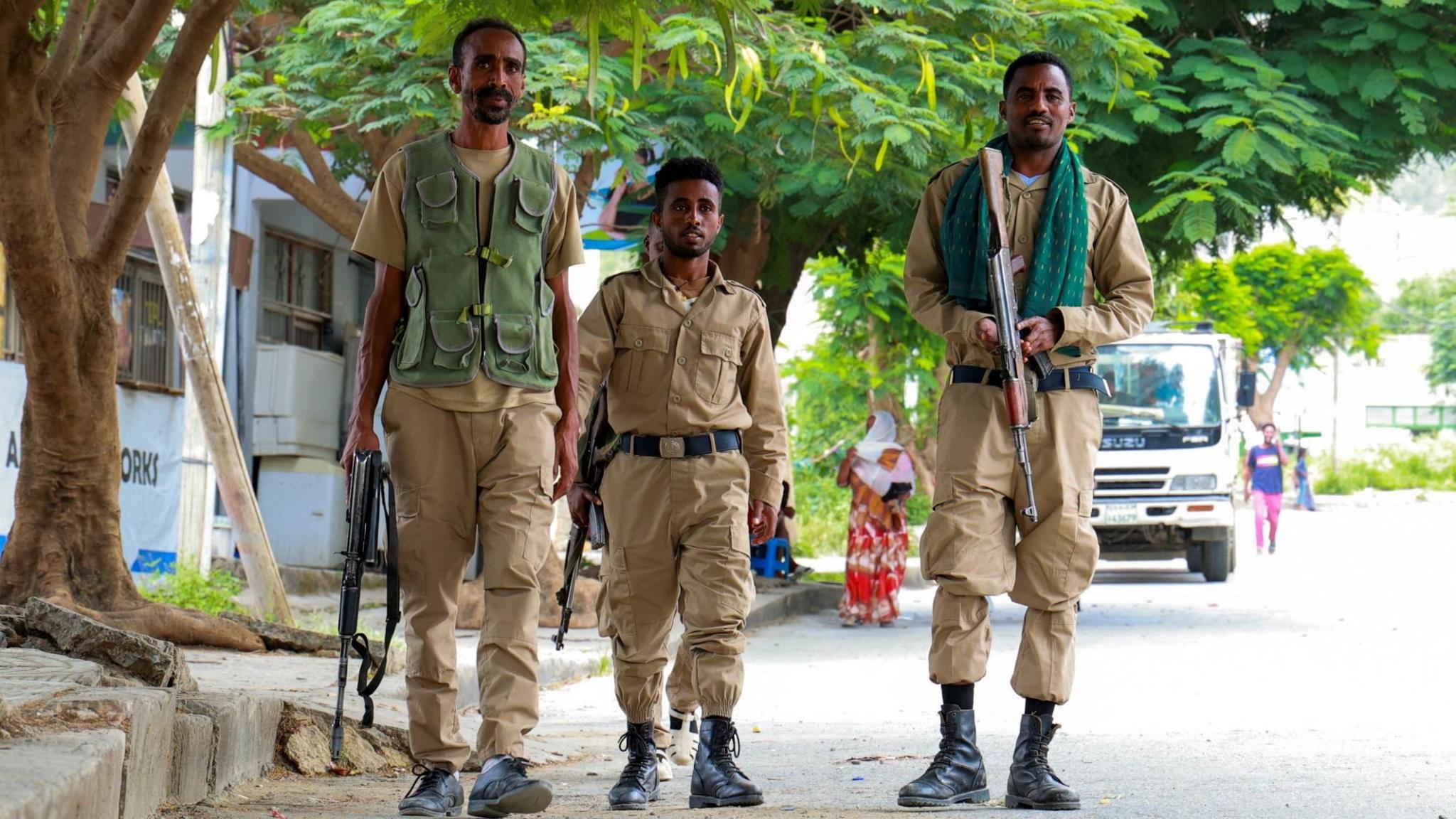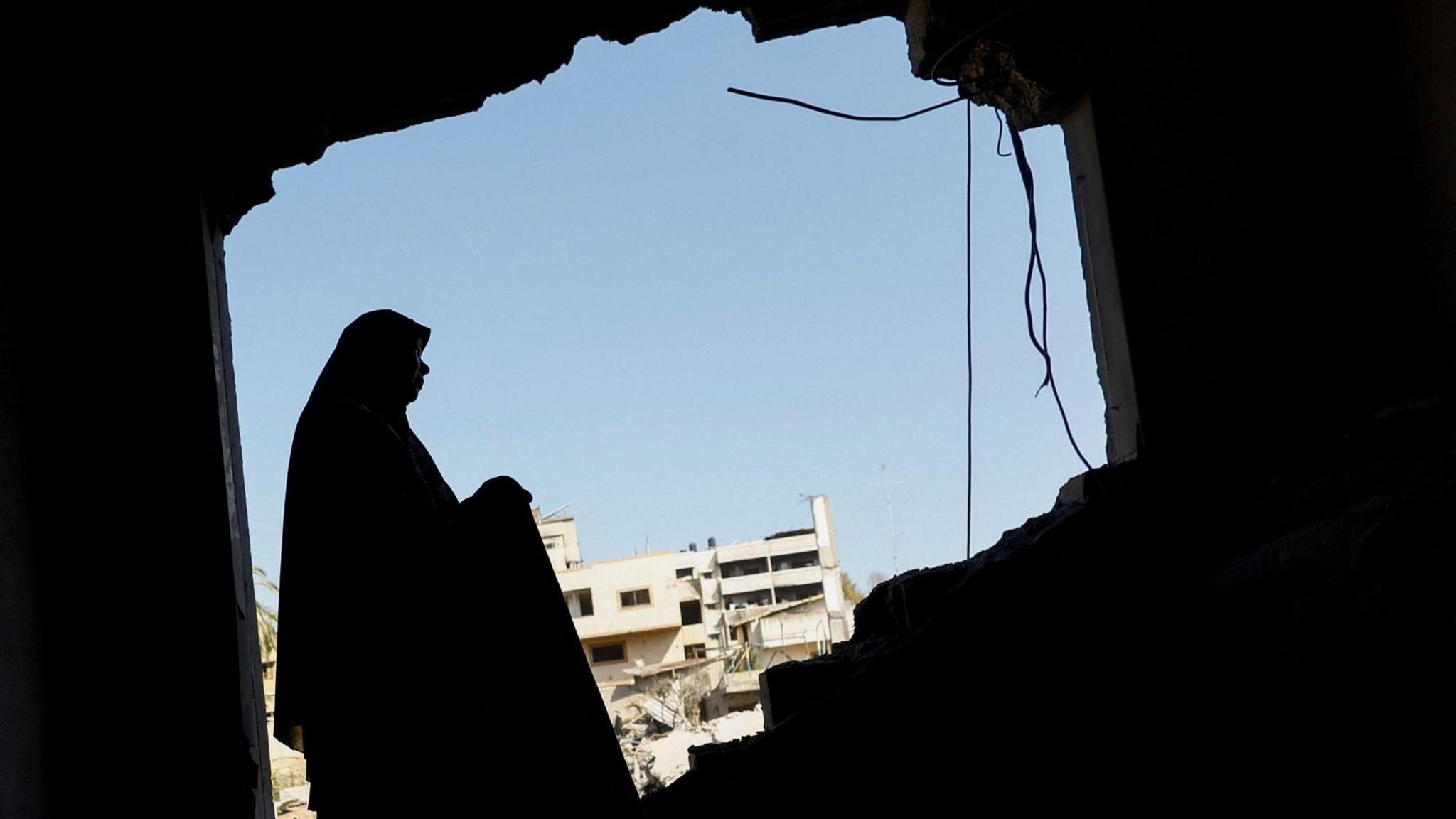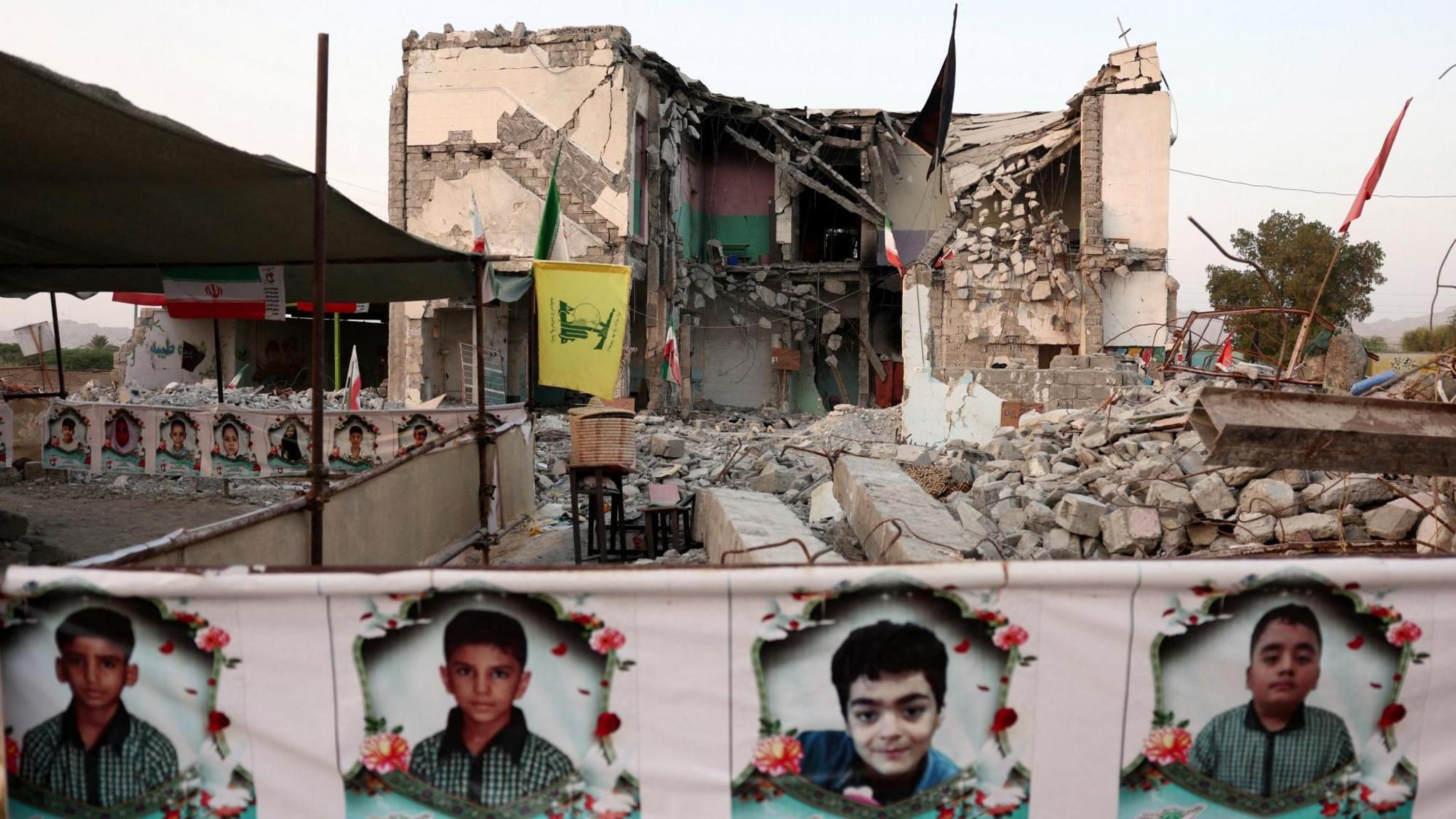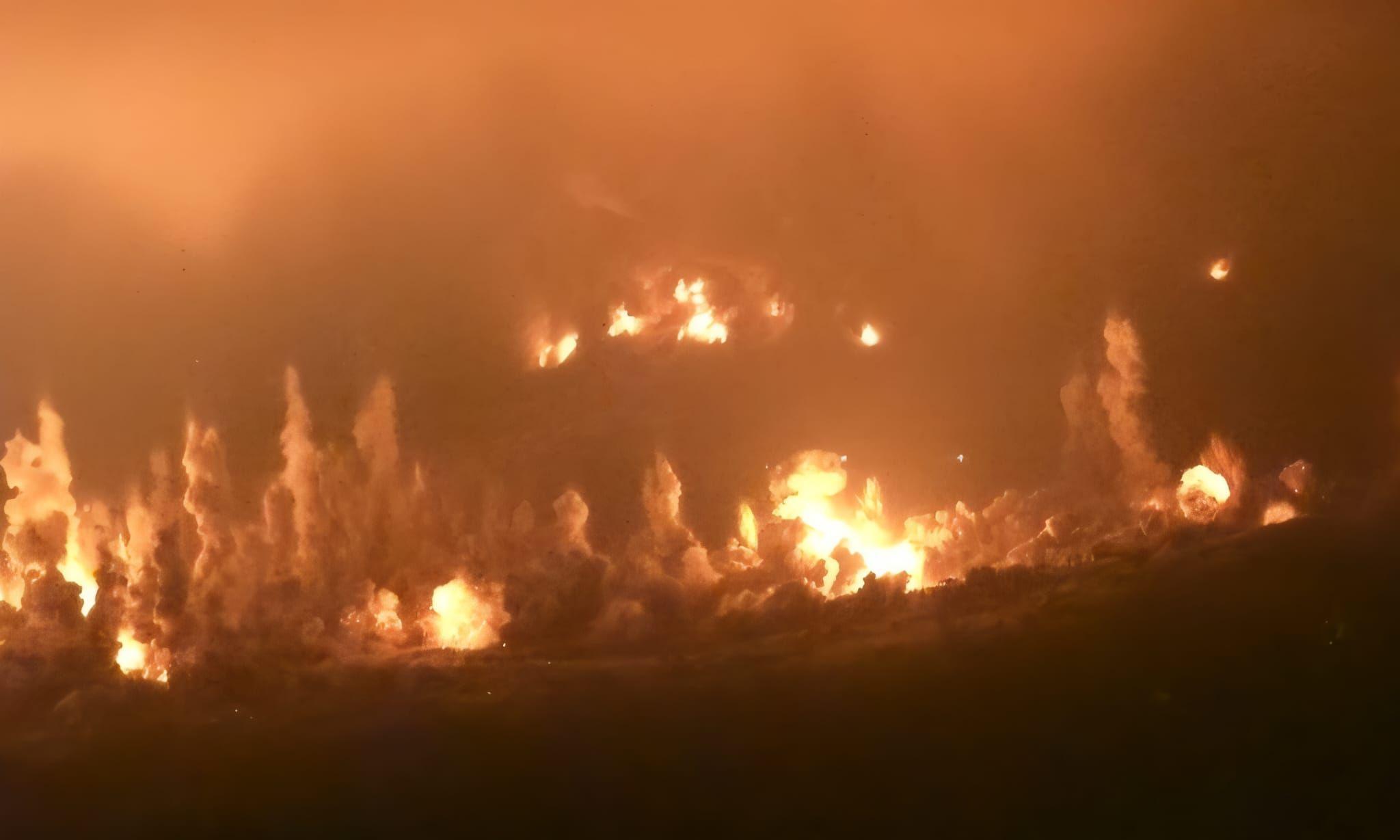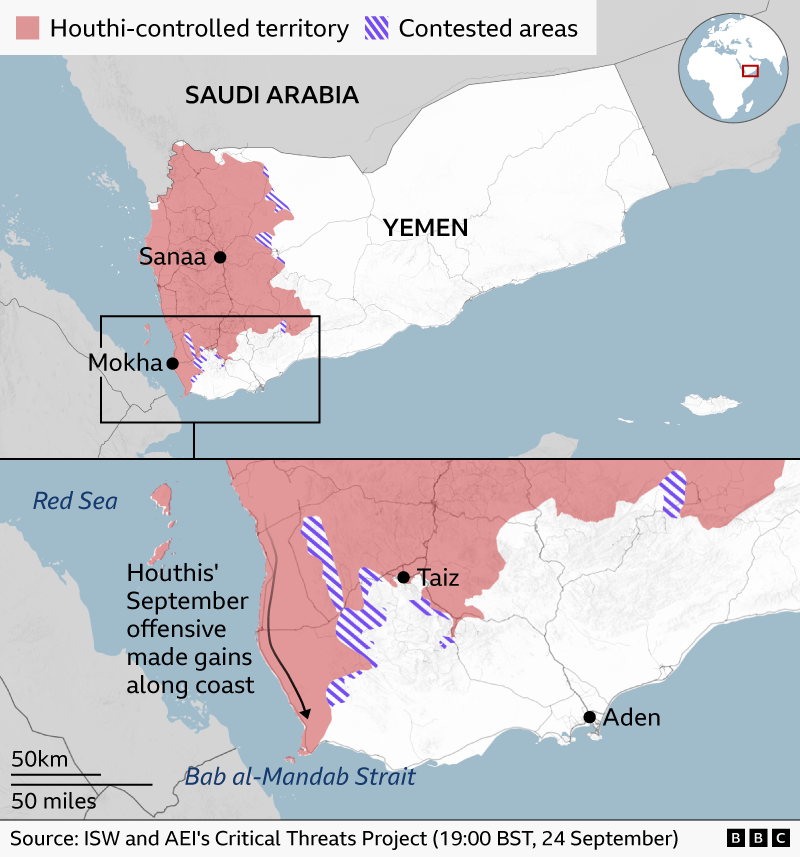
In the rugged valleys west of Taiz, the government’s pro‑Saudi forces and Houthi fighters clash in what feels like an endless siege. Drone‑shaped drones hum overhead; mortar fragments land on pitted earth, corrupting a once‑productively cultivated hillside that had managed winter runoff into local wells. The surge in combat has forced farmers like Ali to abandon orchards, leaving cotton and alfalfa fields bare, which in turn increases surface runoff during rains, raising the risk of mud‑slides that can sever supply routes.
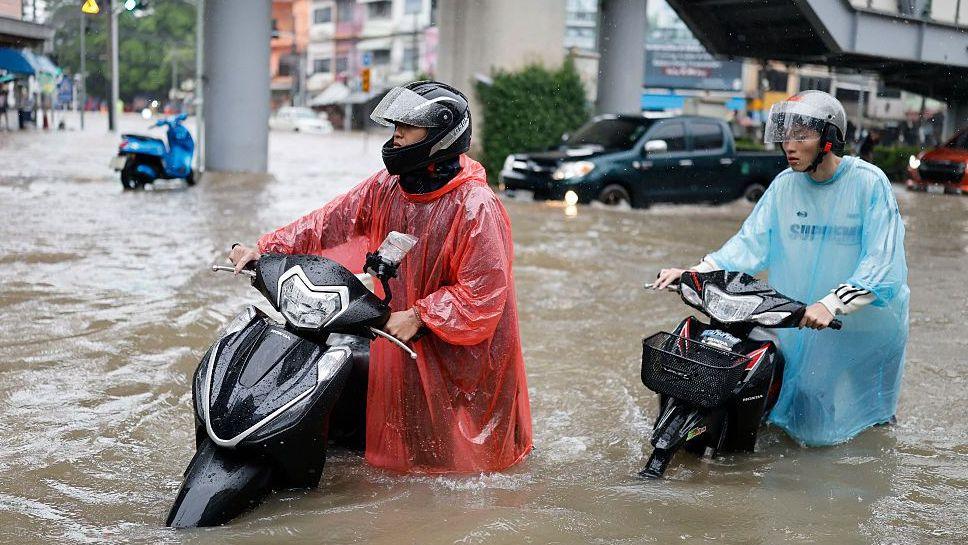
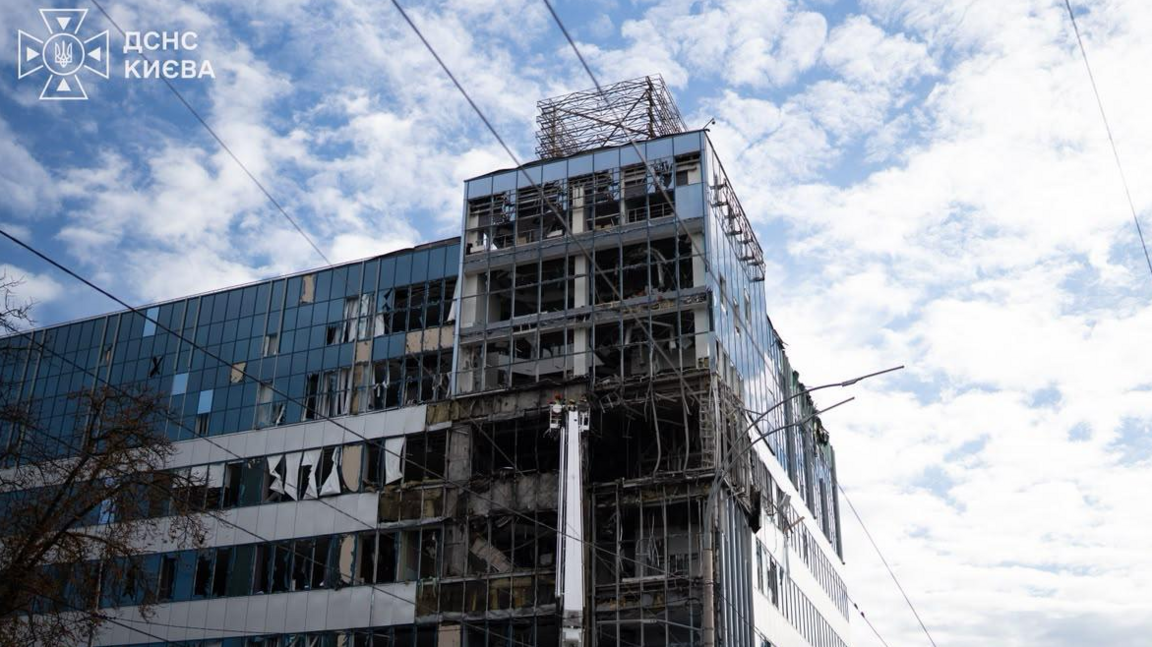
The relentless bombing of military targets extends beyond soil damage. Bio‑diversity in the region, prized for its medicinal herbs, is destroyed when air bursts carve canyons where rare shrubs once grew. This loss of biodiversity erases natural buffers, decreasing the landscape’s capacity to absorb rainfall and raising the flood risk – an acute concern as Yemen’s energy sector expands to meet the demands of a war‑ravaged economy.

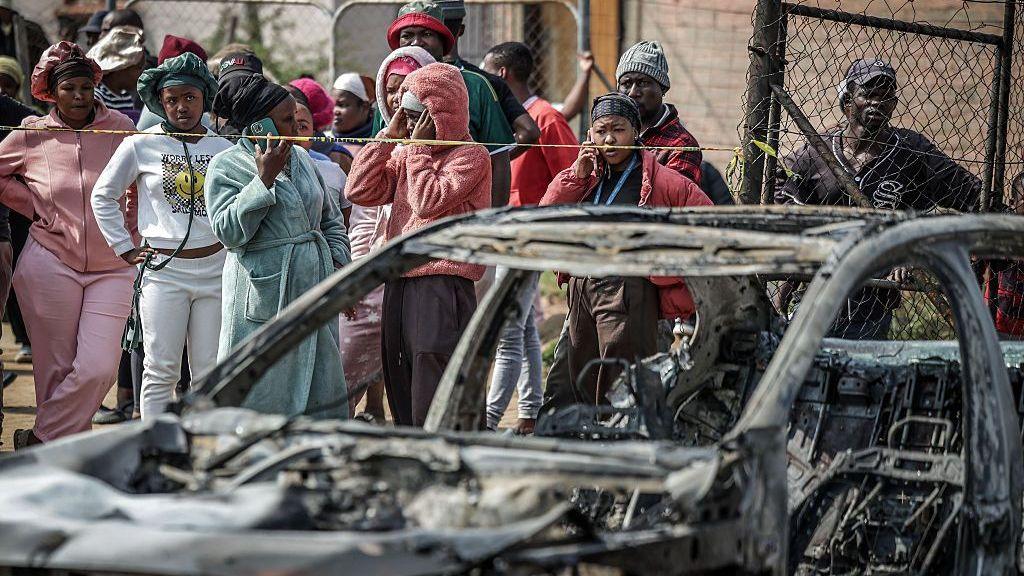
Suffering households like Fatma Mohammed Saleh drift through tents in the al‑Monig displacement camp, scarred not only by war but also by an absence of reliable water and pasture for goats. Many cannot afford to rebuild their homes or re‑plant their fields; the war’s financial toll squeezes access to fertilizer and seeds, threatening to push an already‑declining moist‑climate zone into a persistent drought condition.
In the hospital’s intensive care unit, patients such as 12‑year‑old Ghana, who sustained a shrapnel‑induced brain injury, serve as stark reminders of the indirect health ramifications of environmental degradation: polluted air from fires and the potential for increased vector‑borne diseases due to stagnant runoff.
While Yemen’s civil war moves forward, the environmental consequences loom large. The relentless conflict not only disrupts the supply of fresh‑water, food and medicine but also accelerates ecological degradation, tightening the cycle of poverty and climate vulnerability that threatens to trap the region in a dark spiral of loss.