Spain’s Housing Storm Drives PM to Snap Election
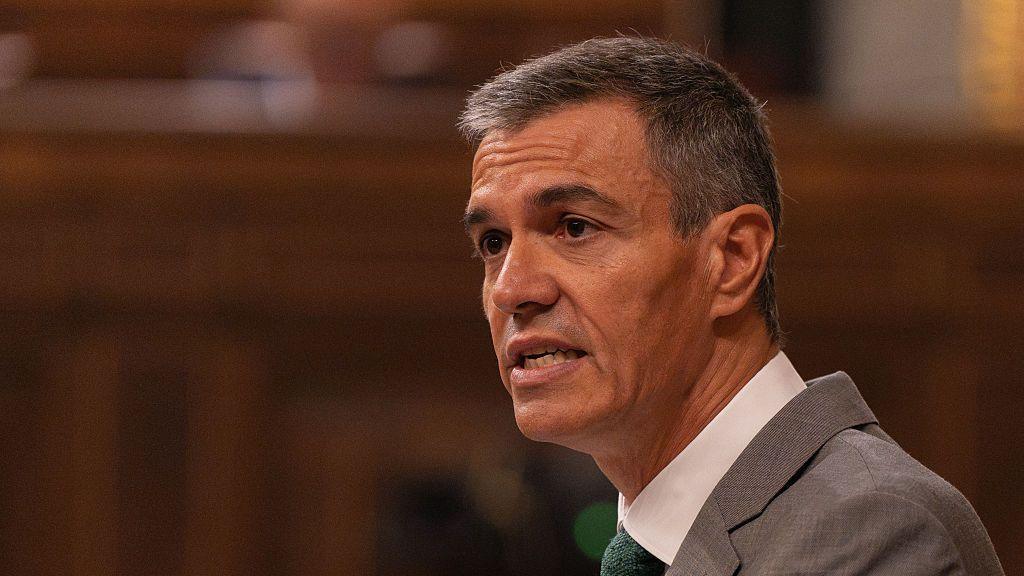
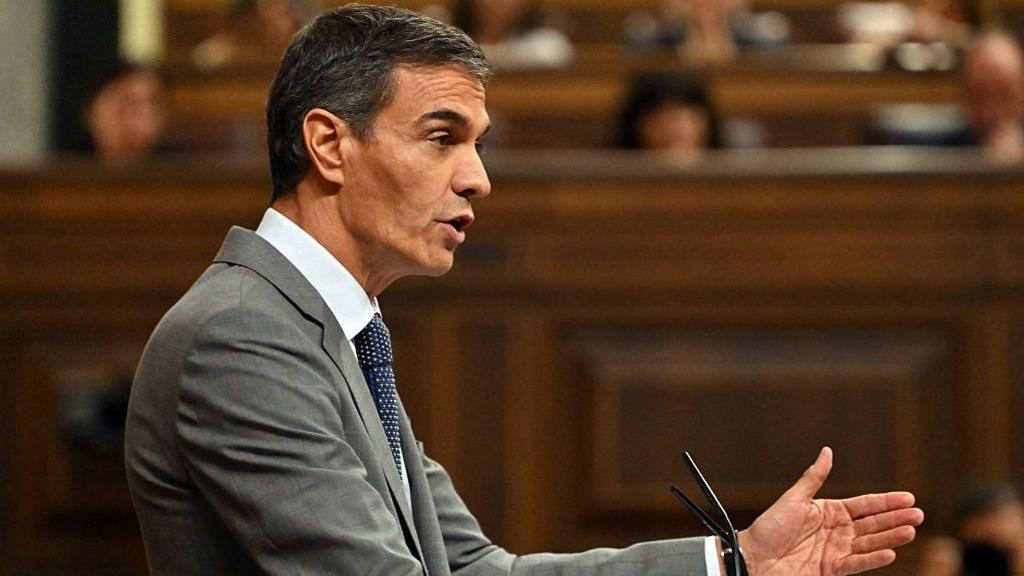
Pedro Sanchez’s decision to call early polls on 29 November follows a narrow defeat of his housing‑reform bill, confirming his left‑wing coalition no longer holds a majority. The ordinance, designed to protect tenants and curb investor‑driven rent hikes, won only a slim margin of 94 votes, the opposition parties on the right voting against it.
Sanchez’s move is not impulsive but a strategic pivot. While the government battles internal corruption scandals – allegations against former party figures and the Prime Minister’s spouse – this choice allows the leader to reshape the narrative around the most immediate public concern: housing inequality. By promising a "much bigger, progressive majority," Sanchez aims to mobilise his base by centring tenant rights in the campaign.
The housing crisis also intersects with climate imperatives. Spain’s sprawling dwellings, many of which need retrofitting to meet energy efficiency standards, contribute to the nation’s carbon budget. A stronger left coalition could accelerate policies for low‑carbon building retrofit initiatives, transforming the housing market into a climate action lever. Critics, however, warn that direct intervention may stifle market dynamism and inadvertently drive investment away from sustainable sectors.
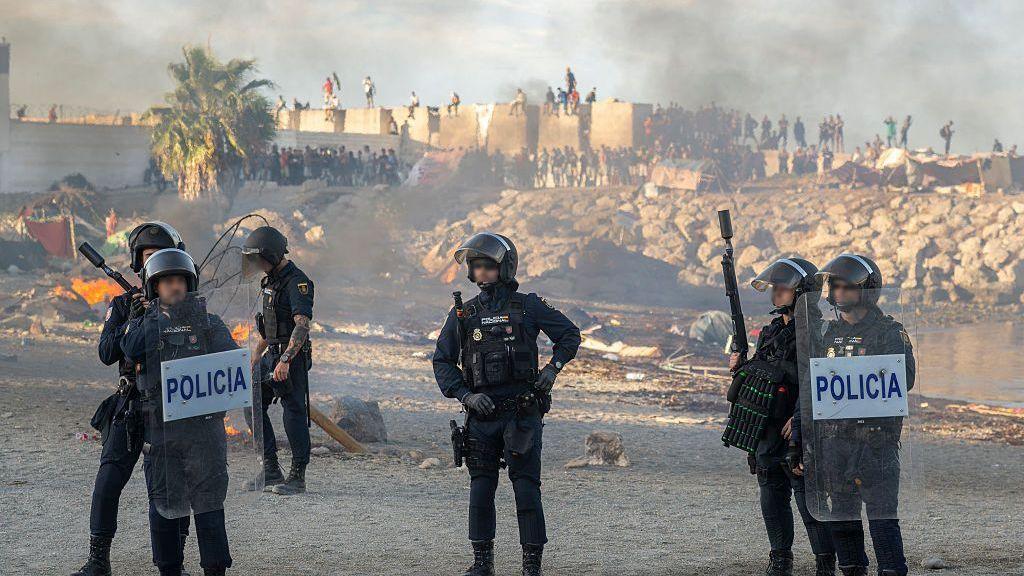
Beyond domestic politics, the Ceuta migrant influx – over 70,000 arrivals in July – remains a key challenge. Sanchez’s party needs to navigate this crisis while maintaining cohesion over housing reforms. The episode has already sparked widespread protests across Spanish cities, further galvanising voter engagement.
Polls show the Socialists trailing the People’s Party, but the split over housing policy could shift the balance. Should Sanchez win an expanded mandate, the new parliament would face its biggest electoral test yet. A narrow victory might strengthen Spain’s potential to lead in climate‑friendly housing legislation, while a loss could leave the country scrambling to coordinate future environmental policy.