Spain Calls Snap Election as Housing Crisis Hits Climate Goals
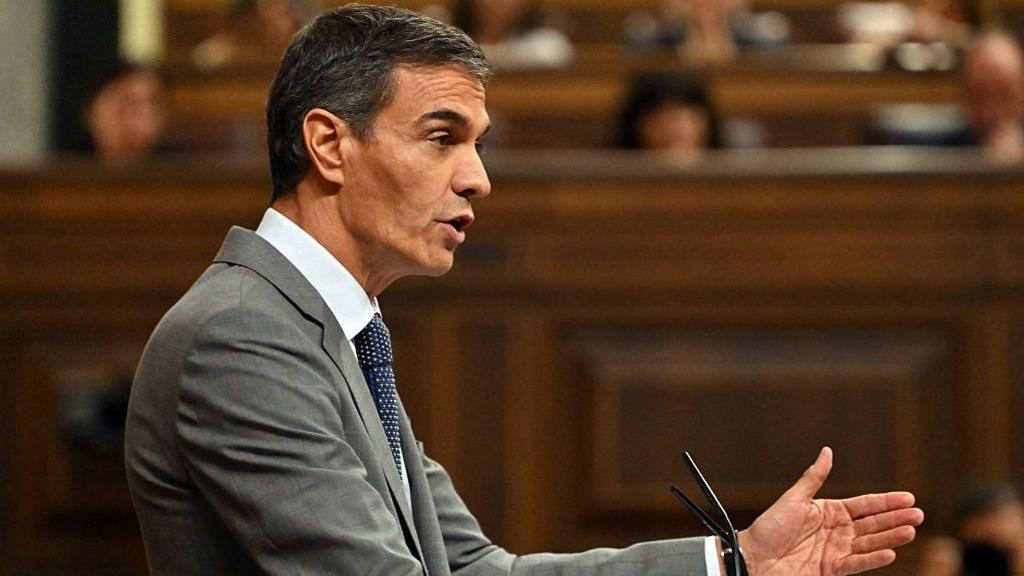
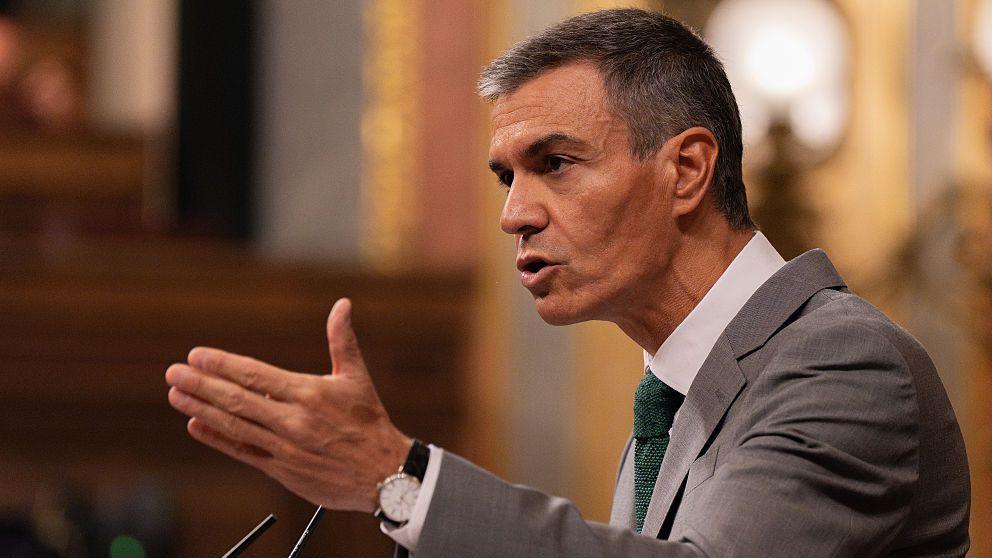
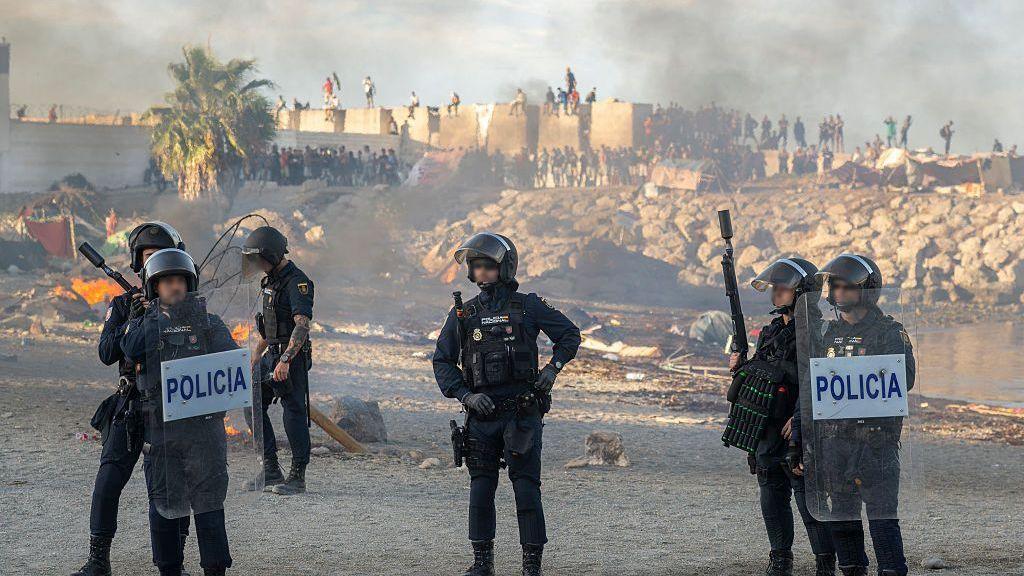
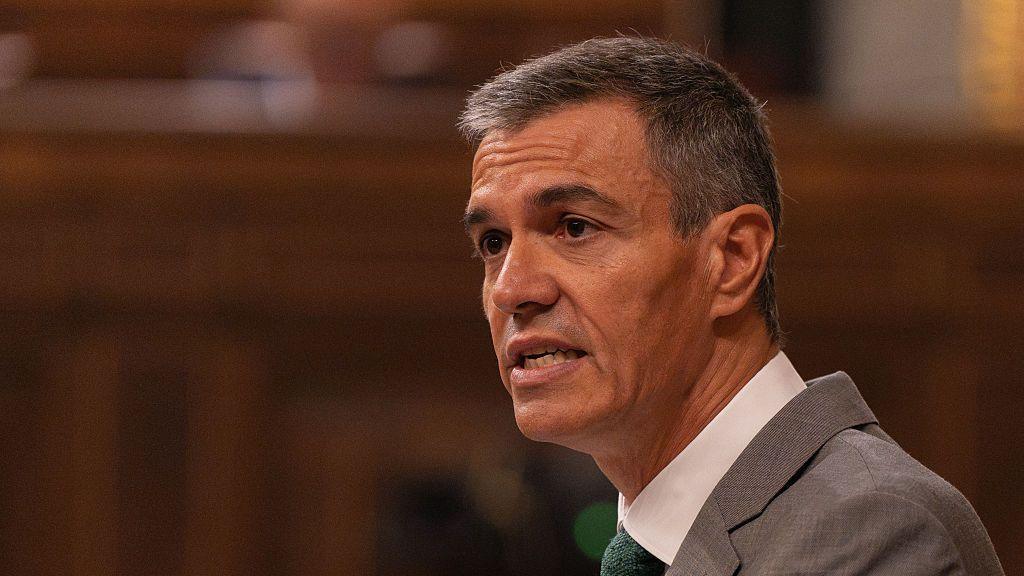
On 5 October, Spanish Prime Minister Pedro Sánchez announced an early general election for 29 November, a decision triggered by a wave of protests over a housing policy that failed to pass Parliament. The protests grew after an 87‑year‑old woman was evicted, a case that exposed loopholes allowing landlords to climb rents from €500 to €2,650 per month in a single day.
Sánchez’s administration has introduced two decree laws aimed at restraining rent hikes, granting eviction moratoria until 2030, and limiting purchases by “vulture funds” that drain housing markets. Yet the measures were met with fierce opposition from conservatives who argue that market interventions could starve the rental sector of supply and drive prices higher.
Beyond the legal battle, the crisis underscores a deeper link between housing affordability and the country’s environmental agenda. Spain’s housing stock lags in energy efficiency, contributing to a sizable carbon footprint that hampers the nation’s 2030 net‑zero targets. Critics say that without robust tenant protections, investment in renewable‑friendly retrofits will stall, keeping millions of households energy‑inefficient and expensive.
Sánchez, speaking on television, said he needed a “broader progressive majority” to overcome elite resistance and push forward reforms that address inequality, public services and housing. He acknowledged the coalition has struggled with corruption scandals, yet framed the upcoming vote as a chance for voters to decide the future of Spain’s social contract.
The election could shift the parliamentary balance, potentially enabling the conservative People’s Party to challenge the left‑wing coalition. As the nation huddles for a resolution, environmental groups call for a comprehensive policy that couples tenant rights with green building standards, arguing that sustainable homes are a linchpin for climate equity.