Why Spain’s Prime Minister Called a Snap Election
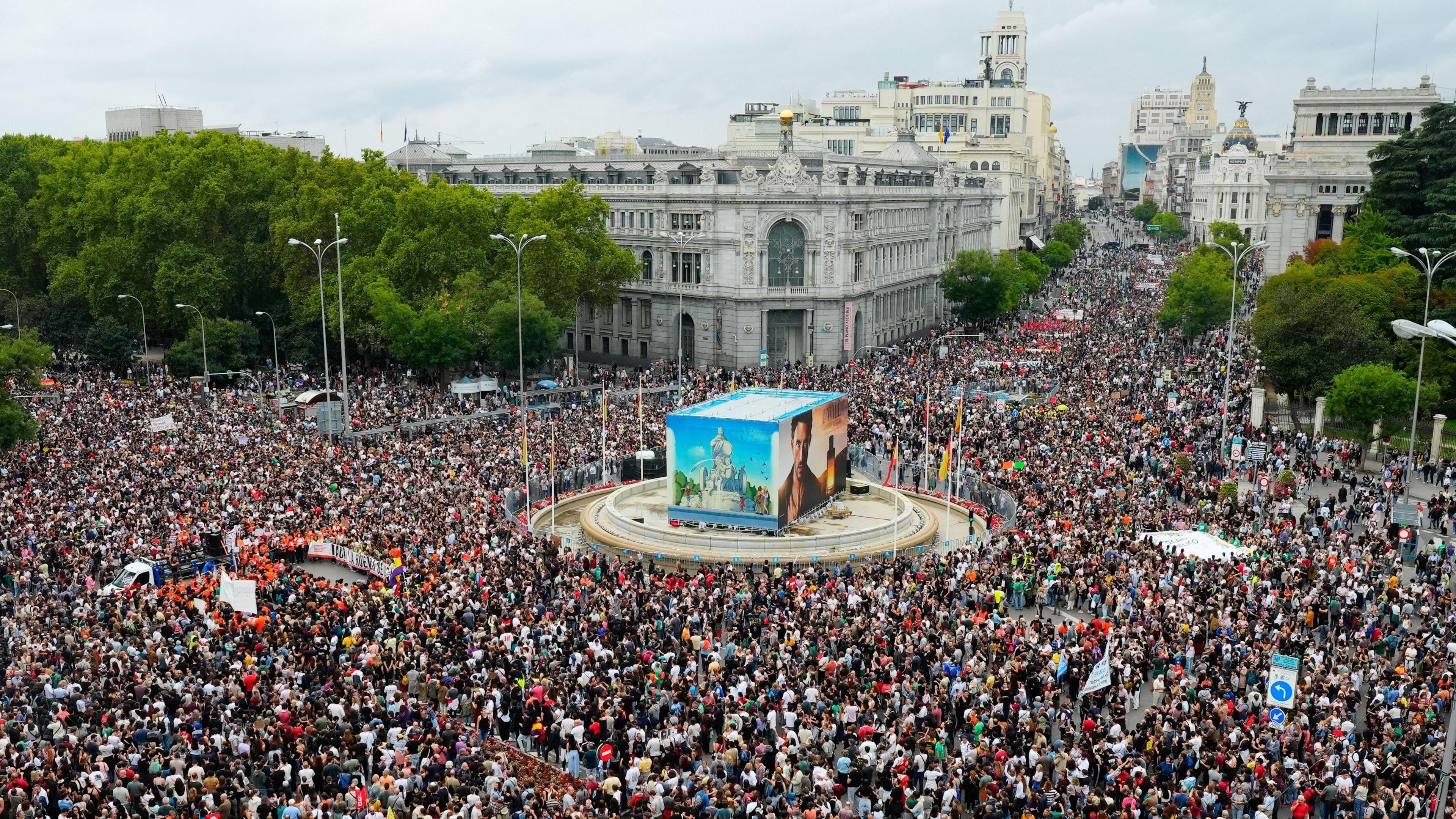
In an unprecedented move, President Pedro Sánchez announced that Spain will go to the polls on 29 November. The announcement follows his Socialist Party’s failure to secure a quorum for key housing reforms in Congress, leaving the government—already a minority—without the mandate to push forward its policy agenda.
The Socialists have championed a comprehensive climate package that includes a target of 30 % renewable electricity by 2030, a carbon‑neutral transport network, and a nationwide shift toward circular economy principles. These ambitions are part of Spain’s commitment to the Paris Agreement and its pledge to reach net‑zero emissions by 2050. Losing parliamentary support could halt these measures, giving rise to a climate‑regressive political coalition.
Polls now show a widening gap between the incumbent Socialist Party and the conservative People's Party, which many analysts expect to ally with the far‑right Vox. While the PP claims to champion fiscal responsibility, its coalition partners are wary of green policies that could raise energy costs or restrict industrial competitiveness. Industry lobbyists fear that a shift away from renewable subsidies could slow the national transition to electric vehicles and zero‑emission shipping.
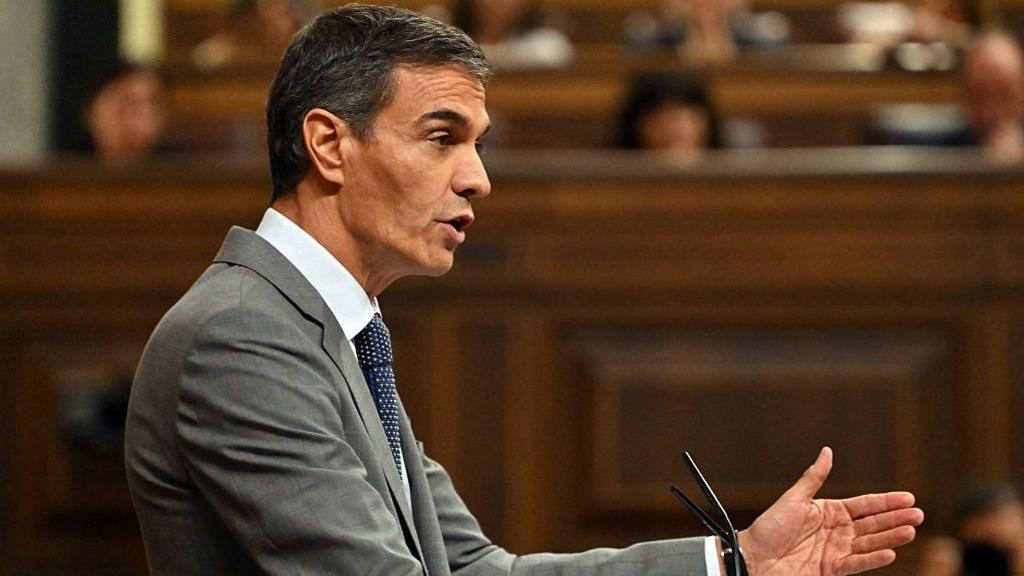
In his statement, Sánchez warned that Spain must resist the “extreme‑right wave” seen in other countries and maintain its stance as a global example of “peace, feminism and prosperity.” He explicitly linked this narrative to the need for robust environmental protection, arguing that a democratic mandate is essential for the continuation of Spain’s green path.
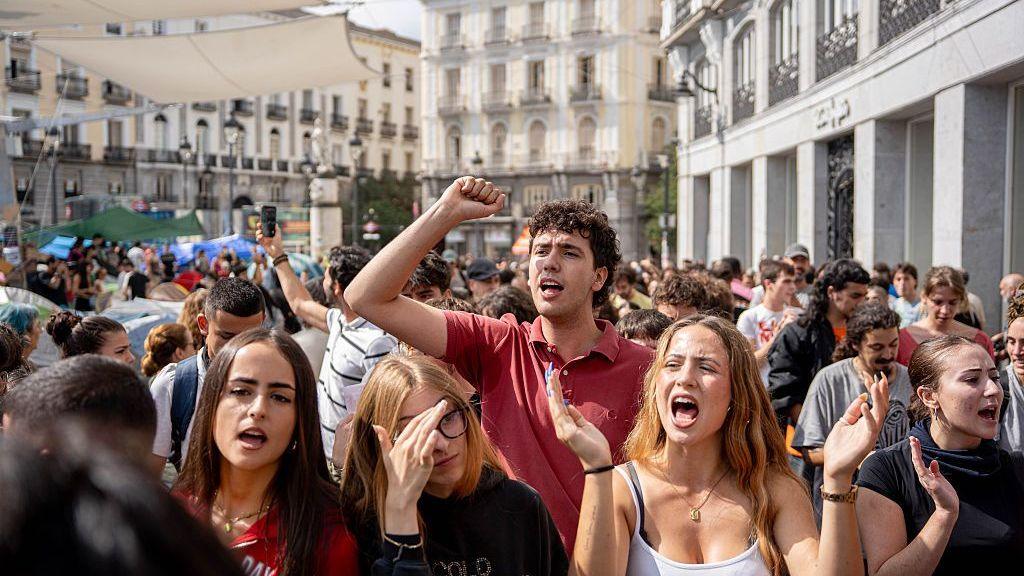
Environmental groups and citizen‑science networks urge citizens to vote with the planet in mind. They cite studies showing that green policy continuity directly reduces carbon emissions, improves air quality, and fosters sustainable economic growth. A net‑zero target by 2050, if preserved, could position Spain as a leader in the EU’s climate strategy and secure funding for climate‑adaptation projects across vulnerable coastal regions.
The election also holds symbolic weight, given Spain’s recent record-setting investments in wind and solar farms and its ambition to become a zero‑emission country by 2050. A victory for the Socialists could reinforce the “green premium” in public policy, while a PP‑Vox victory might shorten the political roadmap for climate legislation.
For more on the implications of this election for climate policy and sustainable development, follow the live coverage at BBC’s live coverage.