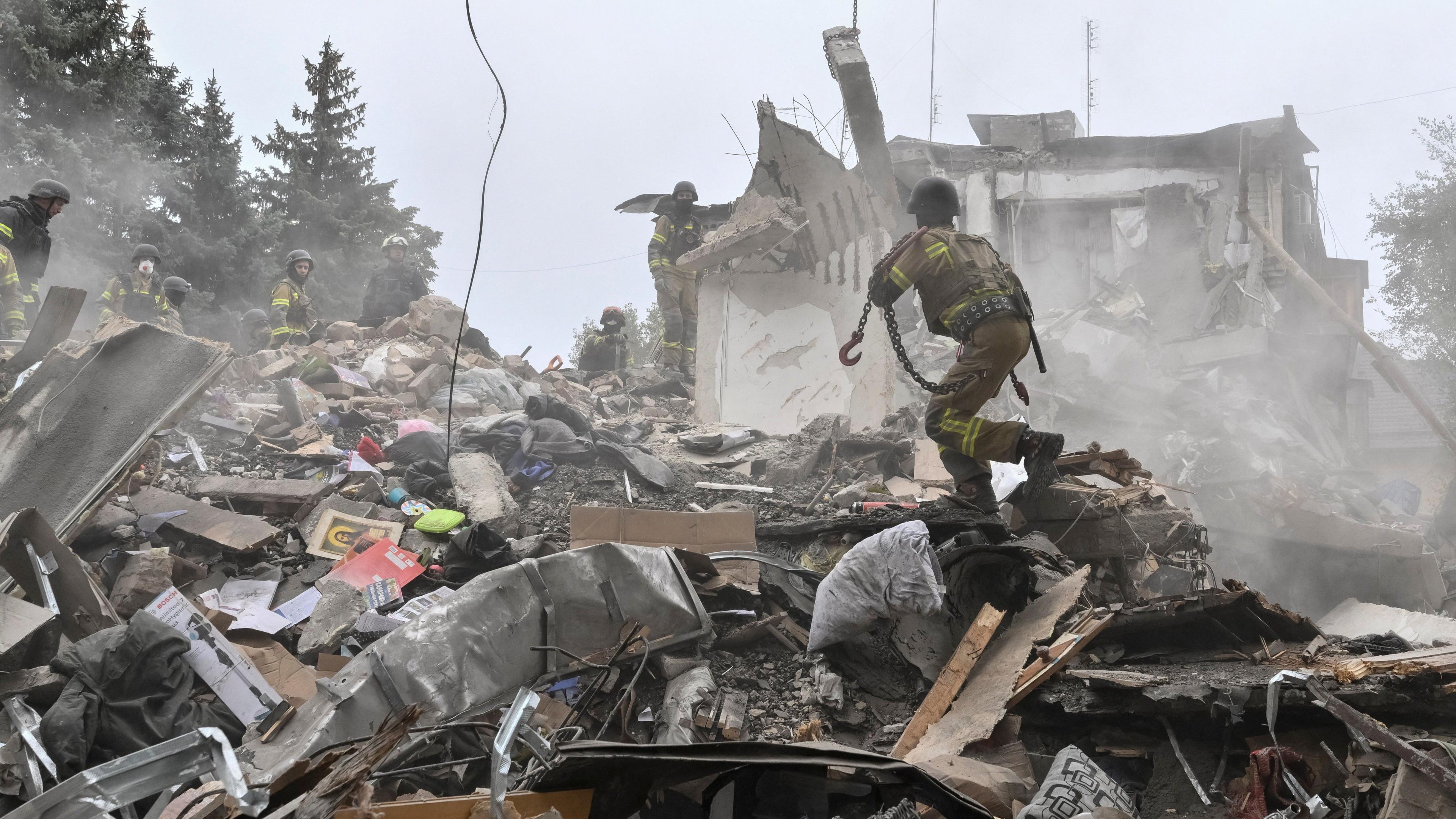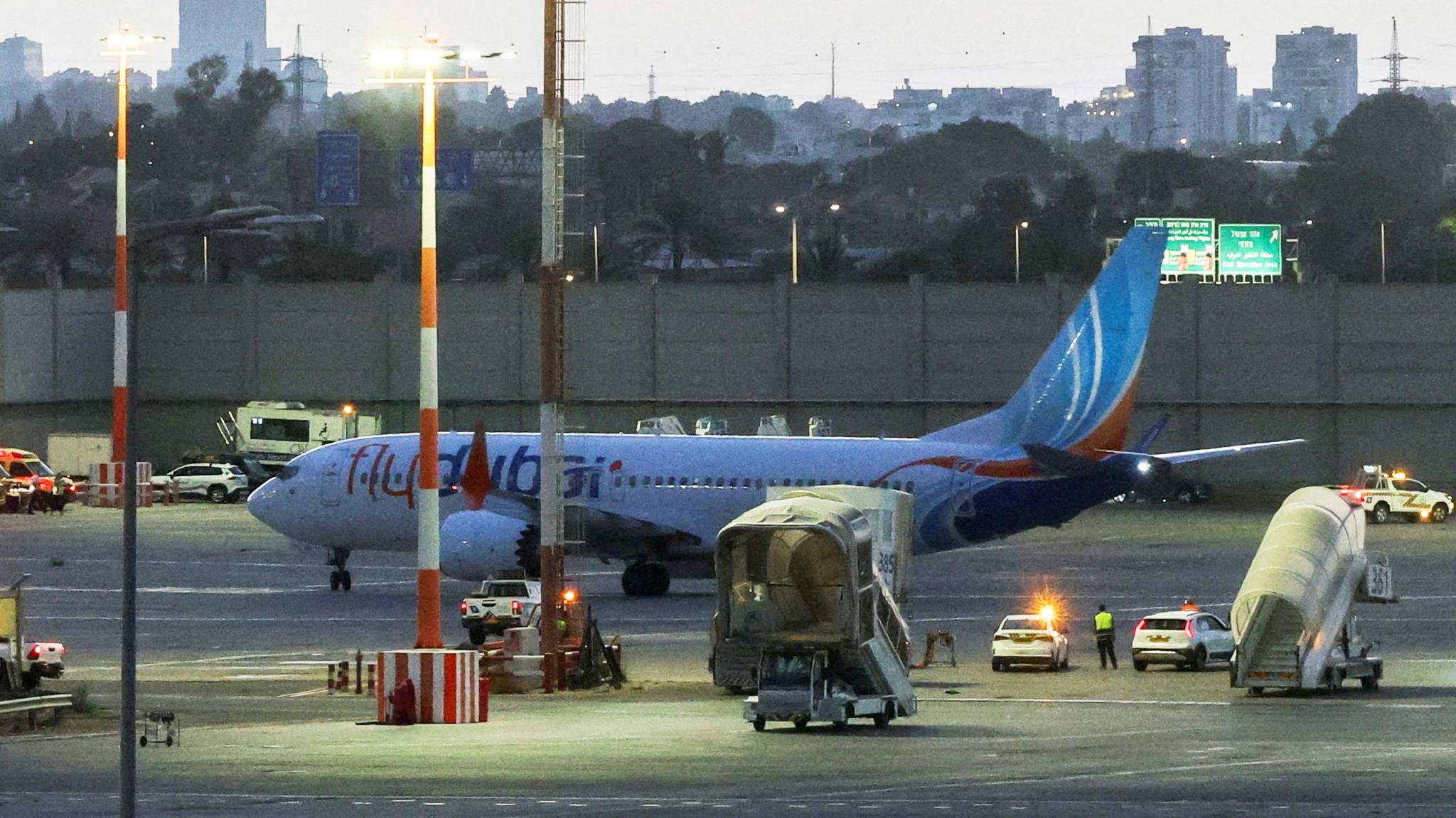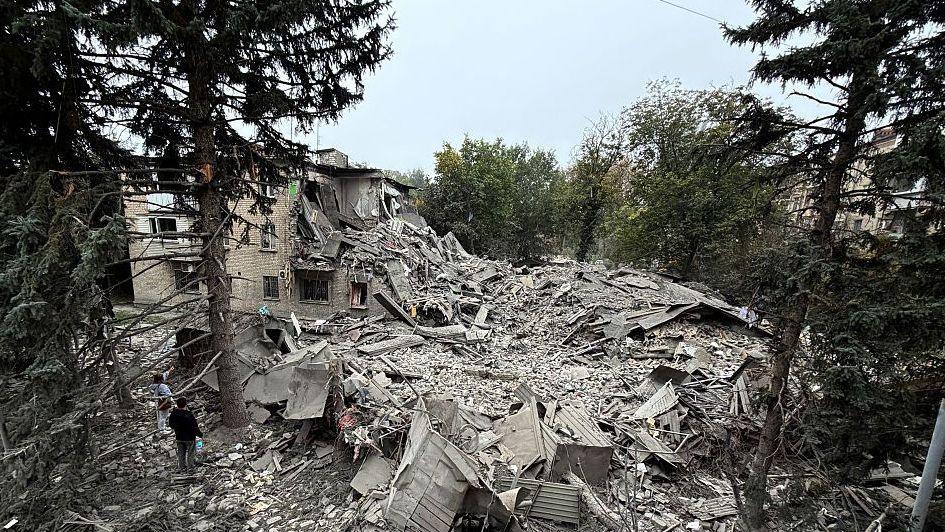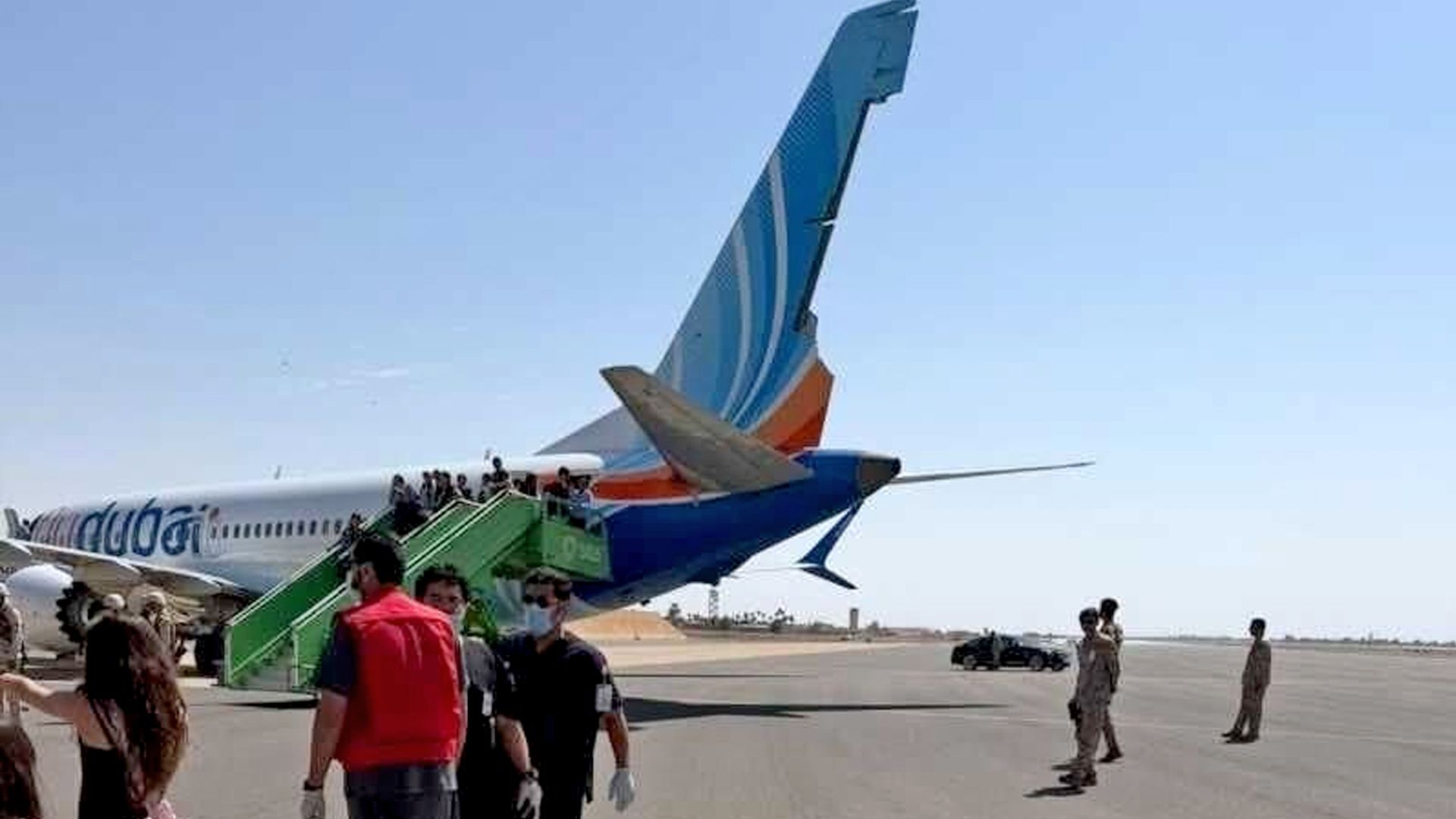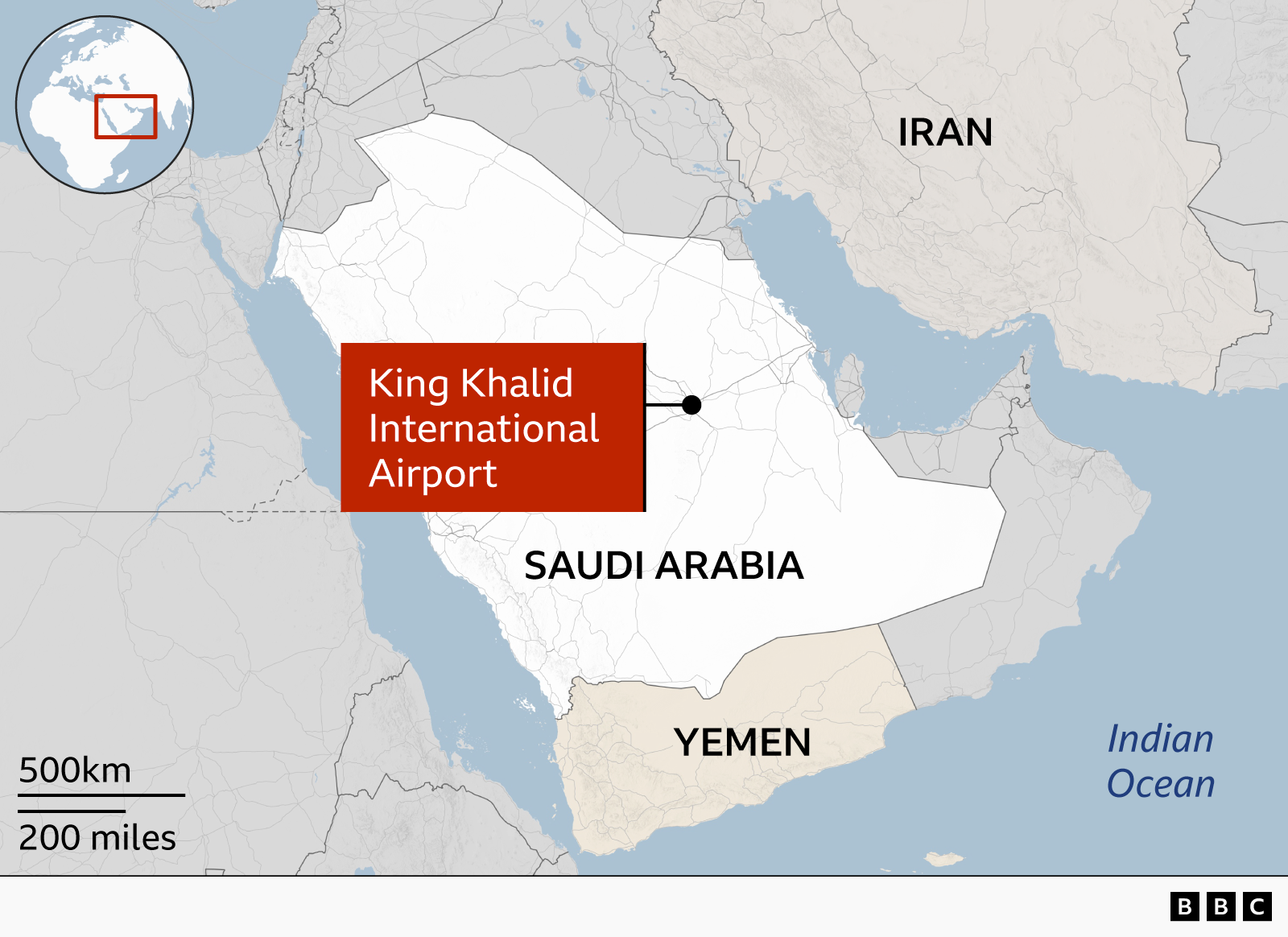
An international airport in Saudi Arabia’s capital has suffered a second strike in two days, as hostile rockets target King Khalid International Airport (Riyadh). The latest hit set fire to a passenger hall, injuring several and adding to the 13 people already killed and 308 injured in prior attacks on the same hub. While the immediate focus is rescuing survivors, a growing number of experts warn that repeated air‑strikes raise carbon footprints from damaged infrastructure and risk contaminating local air, water and soil with toxic residues from explosion fragments and firefighting chemicals. The airport’s ground maintenance, jet‑fuel sanitation and emergency response systems have been severely disrupted, threatening a backlog in humanitarian aid deliveries and the import of green‑energy technology across the Gulf. Global diplomatic groups now urge an accelerated ceasefire, heightened security for logistics corridors and investment in resilient transport infrastructure to safeguard the region’s environment and economic recovery.
Sabotage of aviation facilities has long been a tactic to impair nations’ economic resilience. With the Middle East’s fragile ecology and dense population, any increase in aviation emissions—whether from emergency flights or equipment dismantlement—further strains local air‑quality and water resources. Environmental NGOs are calling for an immediate and enforceable pause in hostilities around transit hubs, arguing that stabilising these nodes will minimise both human and ecological damage. They also emphasize the need for future airport design to integrate green roofs, passive cooling, and carbon‑capture systems, turning crisis into an opportunity for climate‑friendly reconstruction. The latest attack, marking a surge in violence after a brief ceasefire collapse, shows how conflict and climate vulnerability are deeply intertwined, demanding coordinated relief, security and sustainability interventions.