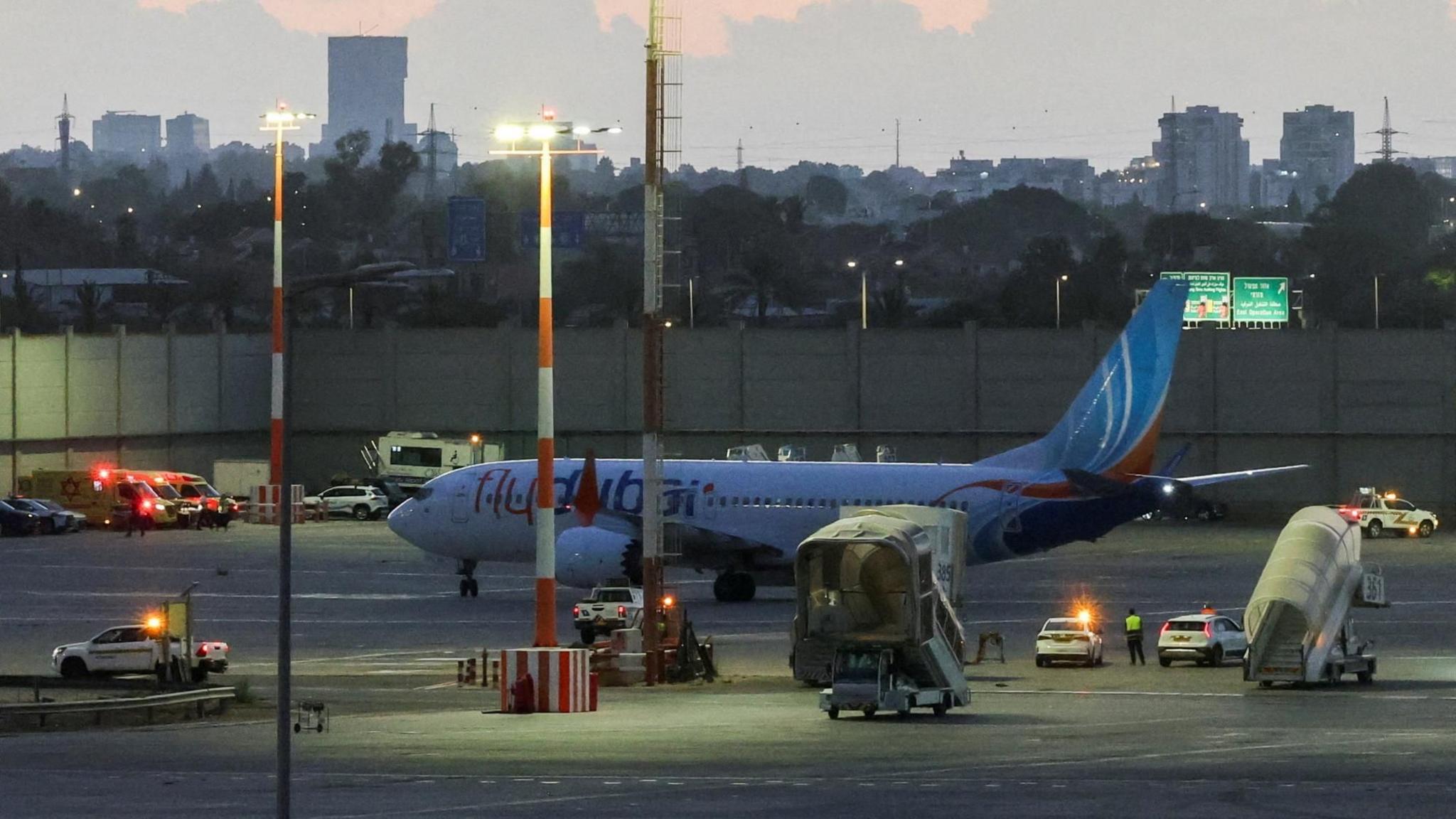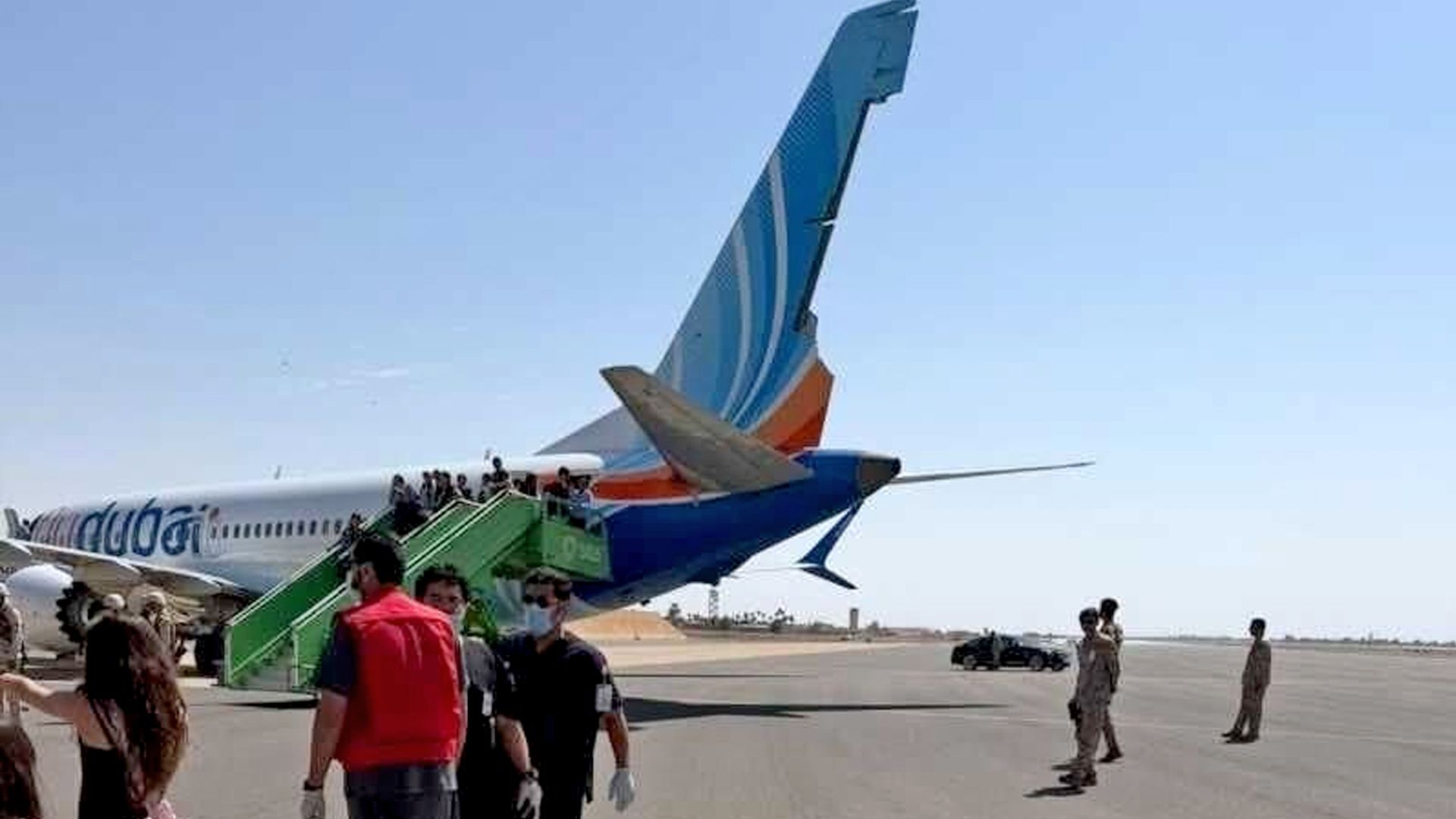
On 30 September, a Flydubai flight bound for Tel Aviv was hijacked by a co‑pilot. The assailant, 29‑years‑old Hamam al‑Hammami, attempted to steer the aircraft into an Israeli airport, using an emergency crash axe during a confrontation with the captain. Passengers and other crew members quickly overpowered him, allowing the plane to land safely in Saudi Arabia. The incident has become a stark reminder of the human and environmental costs that arise when security oversight is lax.
The attacker’s background is concerning. He studied engineering in Australia, but dropped out before graduating. UAE Attorney‑General Hamad Saif al‑Shamsi revealed that al‑Hammami had been influenced by extremist material since 2017, even training in boxing to prepare for a suicide‑style attack. Such radicalisation trails remain difficult to detect, yet they can ultimately endanger global aviation safety.
Security reviews have uncovered procedural lapses. Oman Air had already barred the co‑pilot from flying because of extremist concerns; yet Flydubai hired him after a standard background check that missed these red flags. Officials also highlighted that Israeli aviation regulations disallow pilots from countries without formal diplomatic ties to Israel, a rule that was overlooked in this case.
Beyond the immediate danger, attacks like this carry environmental repercussions. Emergency diversions, extra flight paths, and prolonged air time increase fuel consumption and carbon emissions at a time when the industry aims to halve its climate footprint by 2050. Every security breach therefore has a dual cost: human lives and the slow march toward a low‑emissions aviation future.
Experts now call for a stricter, AI‑enhanced vetting system that screens for radicalisation and cross‑checks international data. Greater collaboration between flight agencies, national security bodies, and climate oversight groups can help prevent similar incidents and keep the aviation sector on track to meet its environmental commitments.
Sources: BBC (10 October 2026); UAE Attorney‑General statements; Australian Federal Police; Australian Joint Counter Terrorism Unit.