Concert Cancellation Highlights the Need for Climate‑Resilient Event Planning
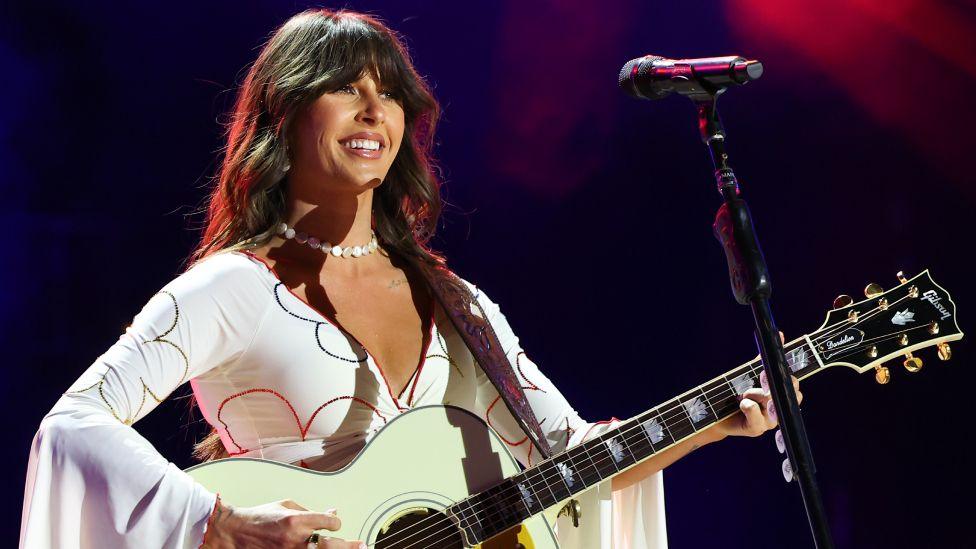
US country music star Ella Langley had to cancel her sold‑out concert at Tulsa’s BOK Center on Friday night after receiving a phone call that threatened "great harm" with shots fired and bombs. The singer, 27, announced the decision in an Instagram post, saying it was "incredibly difficult" to pull the show off the schedule at two hours before kickoff.
Cpt Richard Meulenberg of the Tulsa Police Department explained that the venue had been inspected repeatedly before the performance and no threats were discovered. An additional sweep with sniffer dogs was carried out after the call, but the officers confirmed there was no credible danger. Still, the warning forced the organizers to act in the interest of fans, venue staff, and the artist’s team.
Where the story could have stayed local, its broader implications resonate far beyond a single event. In an era of heightened climate uncertainty, extreme weather and rapid social changes often magnify security risks at large gatherings. Climate‑driven disruptions—wildfires, hurricanes and heatwaves—can create chaotic conditions that make threat detection and emergency response harder.
For event operators, the takeaway is clear: combine robust security protocols with climate‑adapted infrastructure. Practical steps include:
- Conducting integrated risk assessments that factor in projected climate impacts.
- Ensuring venues have resilient power supplies, backup generators and adaptable crowd‑control layouts.
- Engaging local communities and emergency services in pre‑event planning.
- Implementing sustainable practices that reduce the carbon footprint of stages, lighting and waste management.
The BOK Center released a statement emphasizing the priority of safety and well‑being. "We understand the disappointment this news brings," the statement added, acknowledging the disruption while standing firm on the need for precaution.
For Ella Langley’s fans, the cancellation means postponed tickets and a promise of refunds. For the industry, it signals a reminder that the stakes of moving live events into an uncertain climatic future demand unprecedented collaboration between security, sustainability, and community resilience experts.
As the world leans toward a low‑carbon future, each concert becomes a test case for how well culture can adapt to both environmental and security challenges. The unexpected pause in Tulsa serves as a call to action: invest in resilience now, or face costly cancellations later.