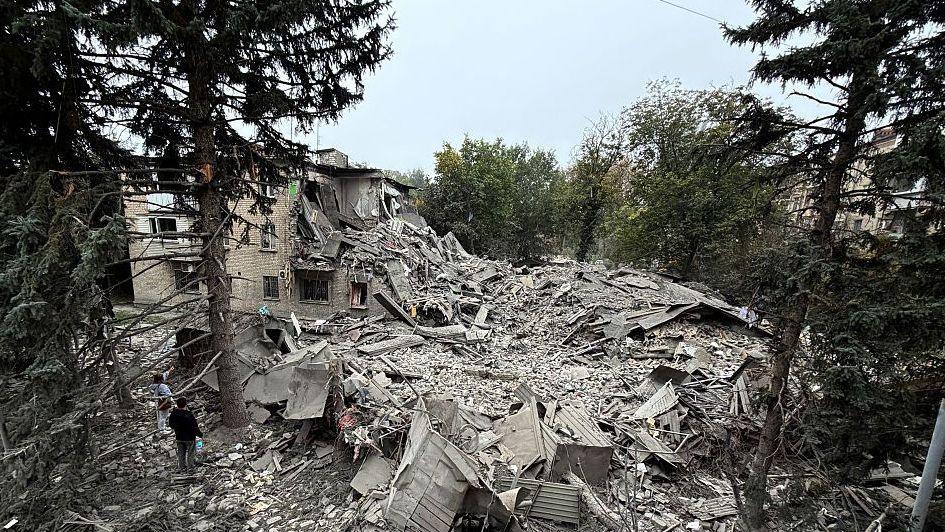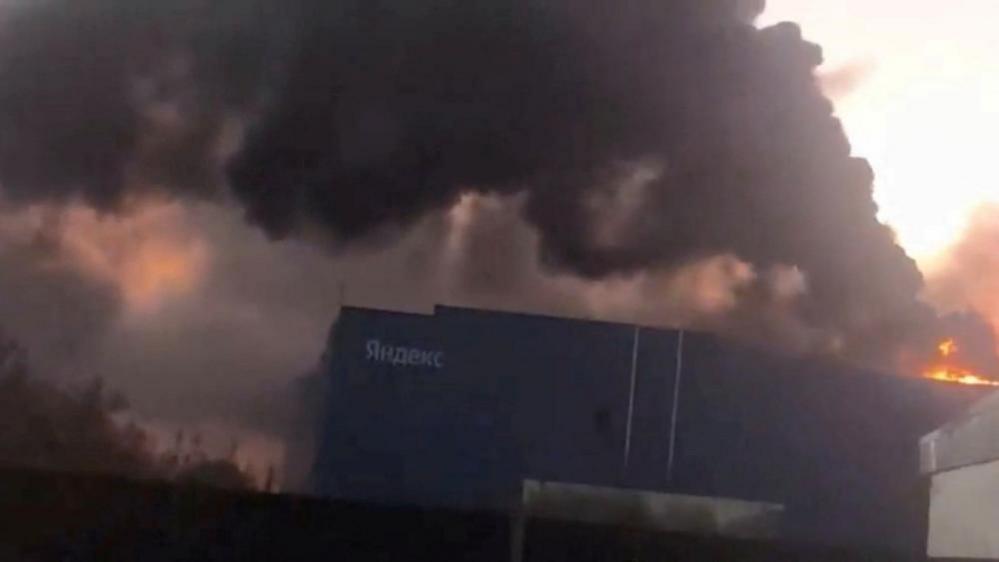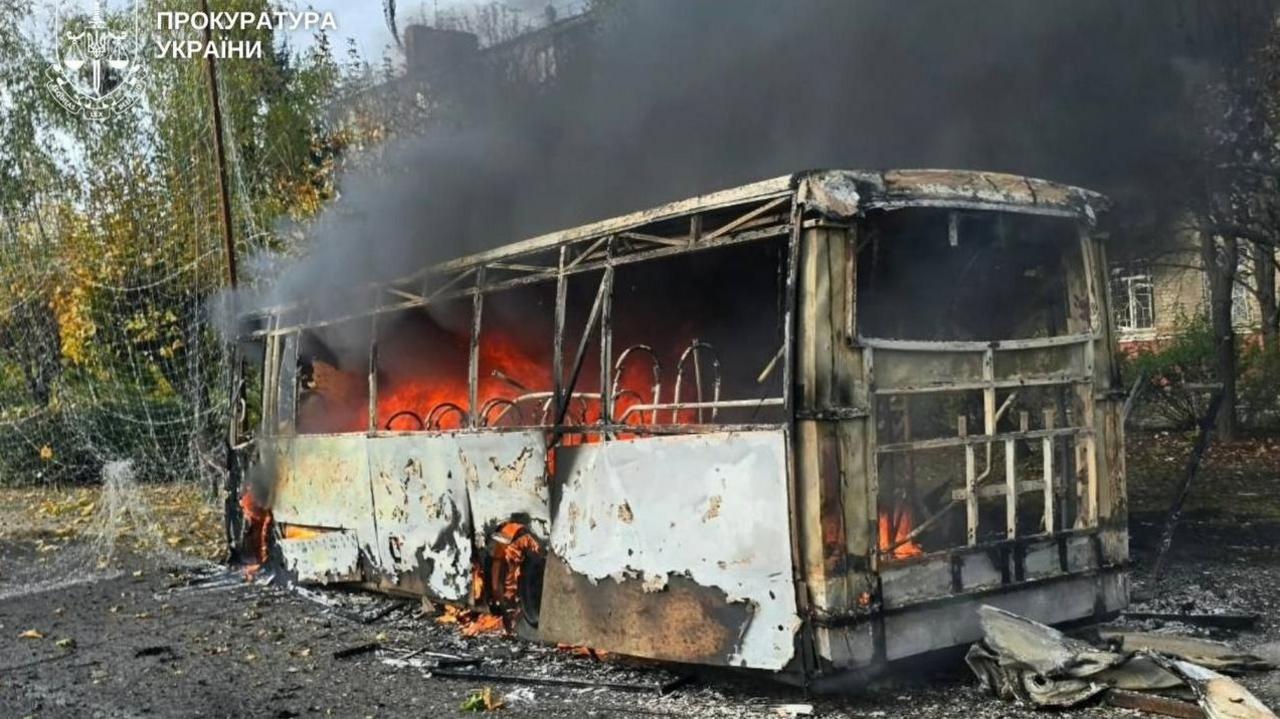
Russian glide bombs struck Zaporizhzhia, killing at least 20 people, including four children, and leaving many more injured or missing.
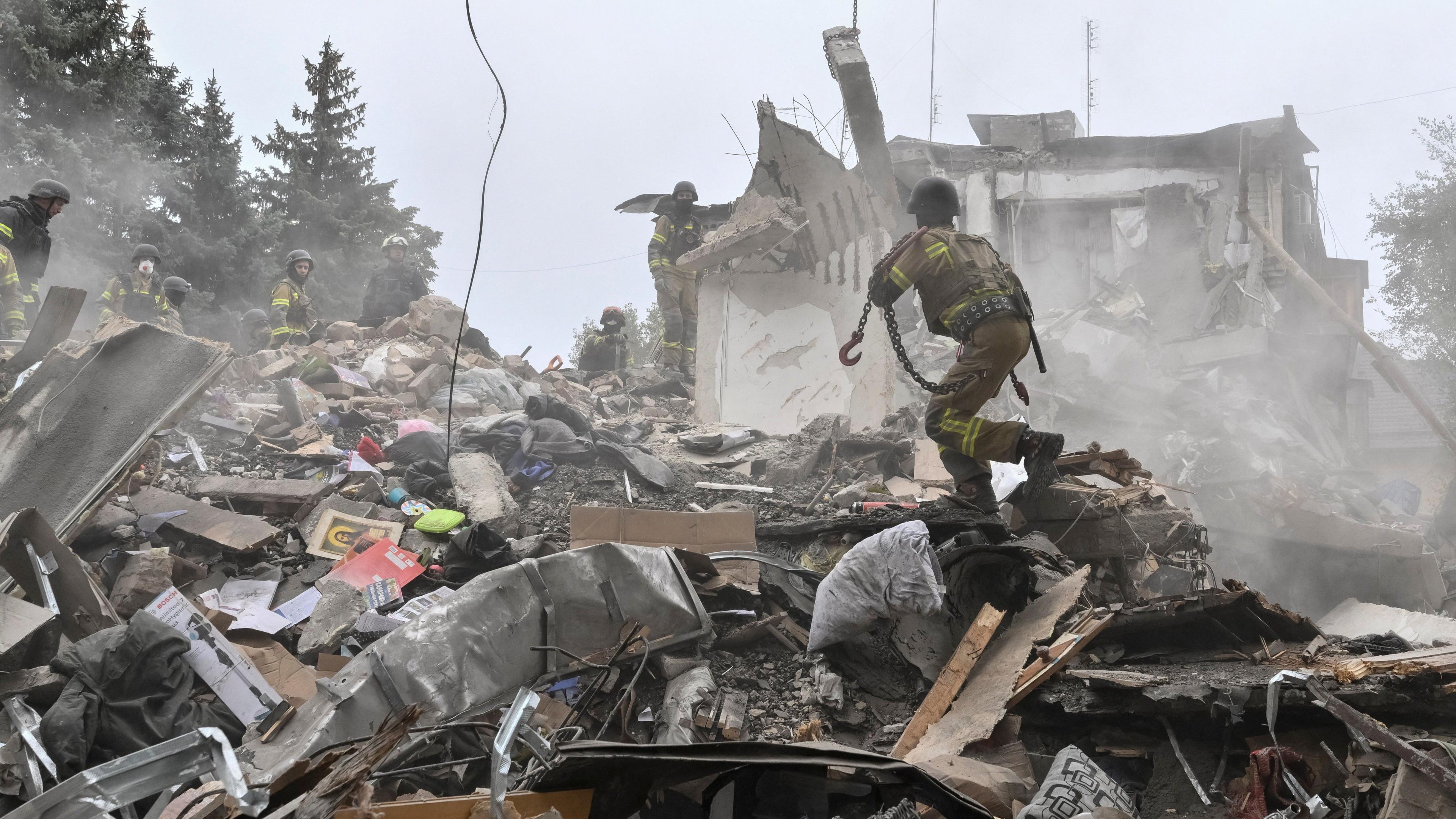
Five precision glide bombs hit low‑rise residential blocks in the southern city on Saturday morning, according to local officials. At least 32 people suffered injuries; rescue teams, numbering more than 80, continued to search under debris, hoping to locate survivors still trapped.
The attack has unfolded amid a tense energy backdrop. President Volodymyr Zelensky condemned the recent U.S.–Russia diesel agreement, calling it a “gift to Putin.” He warned that Russia’s renewed access to diesel may embolden continued attacks on Ukrainian infrastructure. This is part of a broader pattern of war‑related disruptions—Russia has intensified drone and missile strikes on Kyiv and other urban centres, further straining the country’s energy grid.
Energy infrastructure attacks introduce a climate dimension: damaged power plants and fuel depots force reliance on backup systems, often powered by fossil fuels, thus increasing greenhouse‑gas emissions. Moreover, limited supply may push Ukraine to divert resources to military logistics at the cost of sustainability initiatives.
Zaporizhzhia, a vital regional hub yet only 16km from the front line, has endured repeated strikes. The city’s proximity to front‑line activity means its energy services are more vulnerable, creating a cascade of environmental risks—from increased emissions to potential chemical contamination of local waterways.
International observers note the UN reports a 55% jump in civilian casualties in Ukraine’s first eight months of 2026, reflecting the severity of ongoing hostilities. In this context, the war’s environmental toll—fuel imports, energy infrastructure damage, and heightened emissions—adds urgency to global climate negotiations.
As rescue operations persist, the spotlight remains on the humanitarian crisis and the broader environmental consequences that accompany armed conflict.