New US Spymaster: A Chance to Bolster Climate Security
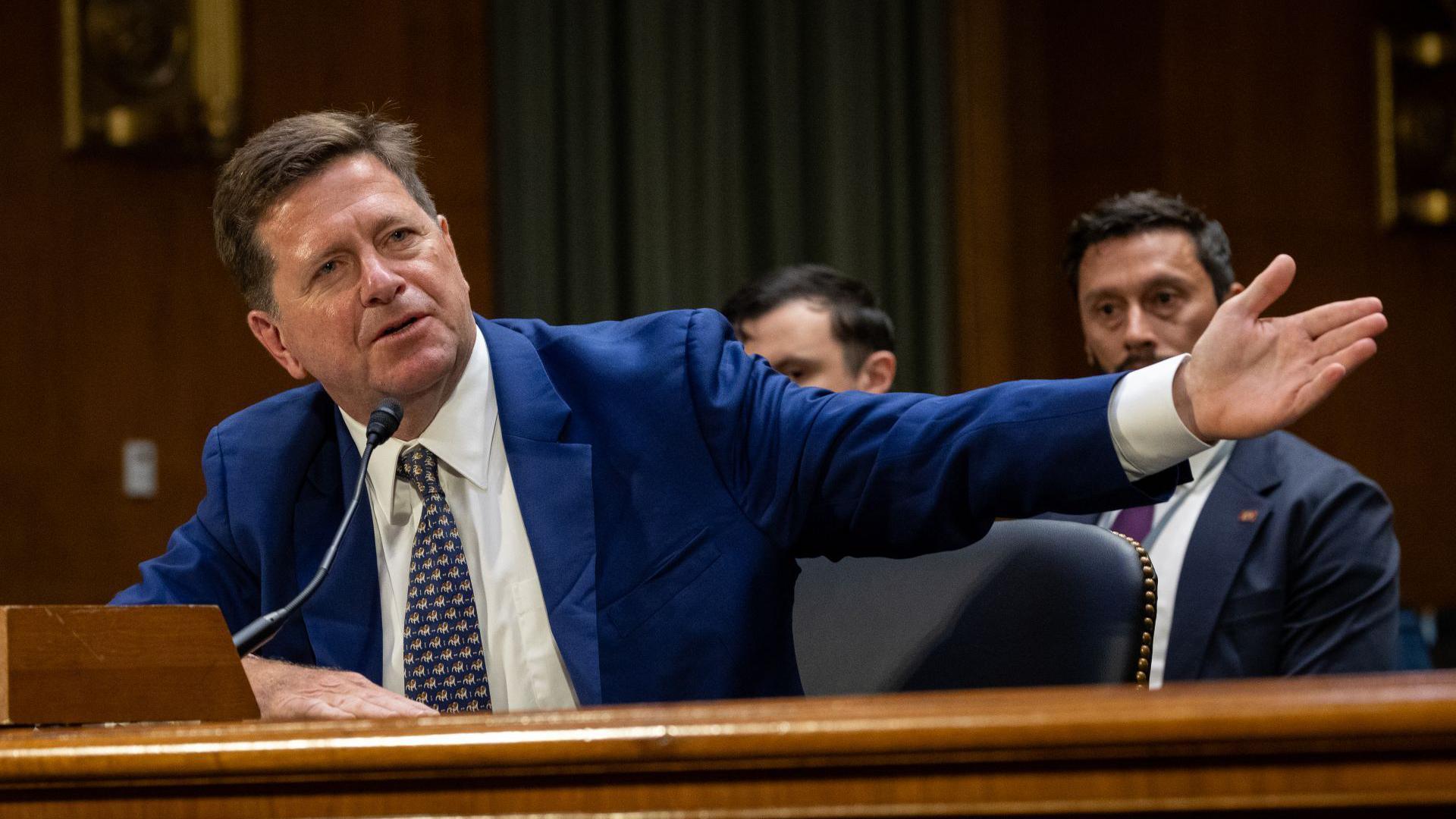
The U.S. Senate approved Jay Clayton as the next Director of National Intelligence (DNI) in a 51‑to‑47 vote, following the months‑long controversy that surrounded the former appointment of Bill Pulte.
Clayton, who previously served as U.S. attorney for the Southern District of New York and was a former securities regulator, brings a deep law‑enforcement pedigree to the intelligence role. His career involved handling high‑profile cases, including regulatory work on drug trafficking involving former Venezuelan president Nicolás Maduro.
The shift follows the temporary stint of Tulsi Gabbard as DNI and the abrupt designation of Pulte as acting director, a move that drew criticism for its lack of experience in national intelligence and its potential political bias. Pulte’s tenure had been marked by staff reductions and reports that he had used his housing‑regulator position to press investigations on political opponents.
Clayton’s confirmation was fast‑tracked by supporters, but the Senate has expressed worrying doubts about his willingness to resist political pressure – a concern expressed by Dem. Sen. Mark Warner, who questioned whether Clayton would prioritize unbiased intelligence work over partisan agendas.
The new DNI is now positioned to influence U.S. surveillance policy, particularly Section 702 of the Foreign Intelligence Surveillance Act, which governs the collection of foreign communications. Renewing this program would enable continued monitoring of foreign political activities, including those linked to climate policy and environmental protection.
While the core of Clayton’s mandate remains national security, observers anticipate that the intelligence community could broaden its focus to include climate‑related threats. Environmental infrastructures, such as power grids and water supplies, are increasingly visible targets for cyber‑terrorism, and an ability to track these risks may become a part of DNI’s oversight duties.
The Senate’s endorsement of Clayton could therefore represent a pivotal moment for the intelligence sector: an opportunity to align more closely with the global effort to guard against ecological disruptions and to support the international fight against climate‑induced security challenges.
More on the story: Trump blames lawmakers for FISA lapse and updates on Section 702 renewal.