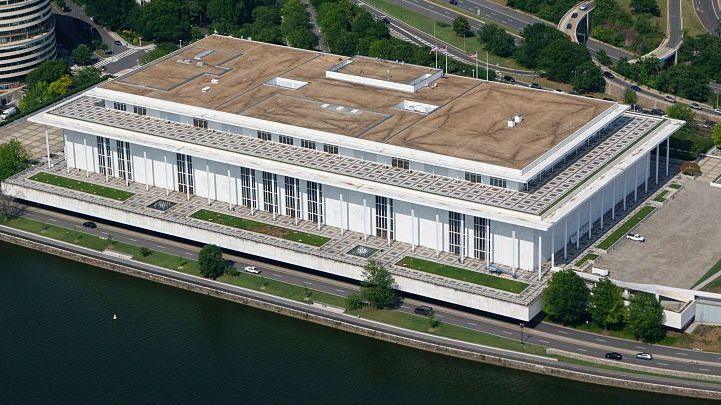
Last week, the Trump administration signaled that the Kennedy Center could be razed if regulatory bodies refuse to approve its planned renovations, according to court documents.
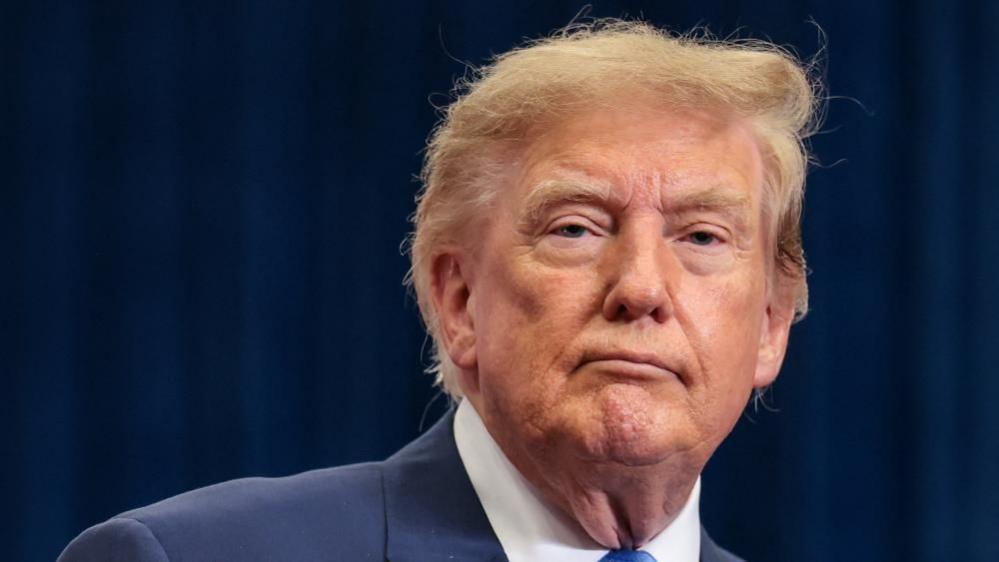
In a letter, Justice Department attorneys demanded the re‑inclusion of President Donald Trump’s name on the venue, arguing that a court blocking the board’s renaming order could drive donors away and halt essential structural work.
The Kennedy Center, a cherished Washington landmark named after President John F. Kennedy, became a flashpoint when a federal judge ruled in May that the building’s name had been added without congressional approval.
Following the judge’s order, the name was removed in June, spurring the administration’s aggressive stance on the renovations planned for a two‑year closure.
Trump’s legal team warned that without upgrades the Central Hall would deteriorate into an unsafe, decrepit structure that would have to be taken down; they even floated the idea of replacing the site with a large outdoor amphitheatre overlooking the Potomac.
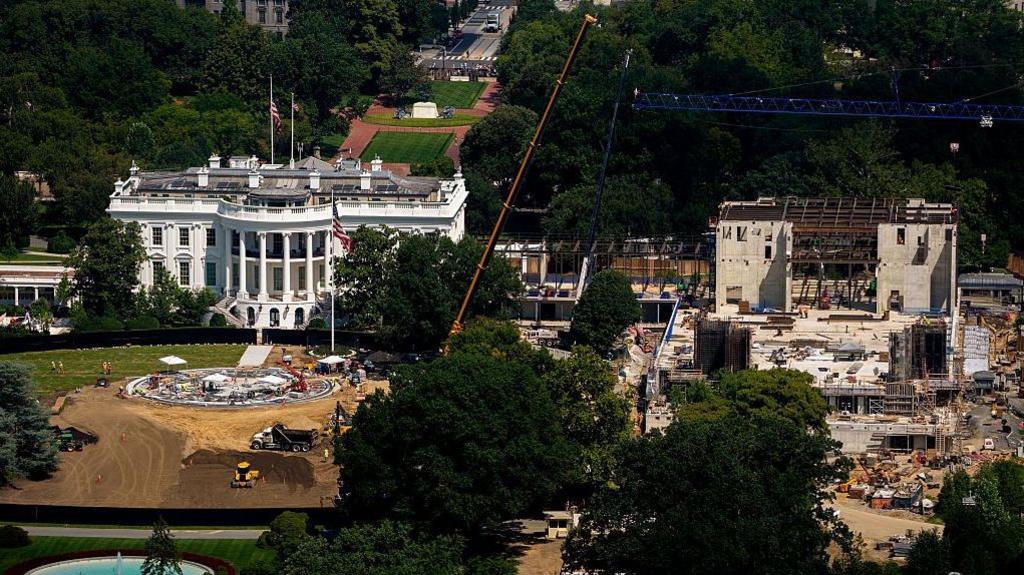
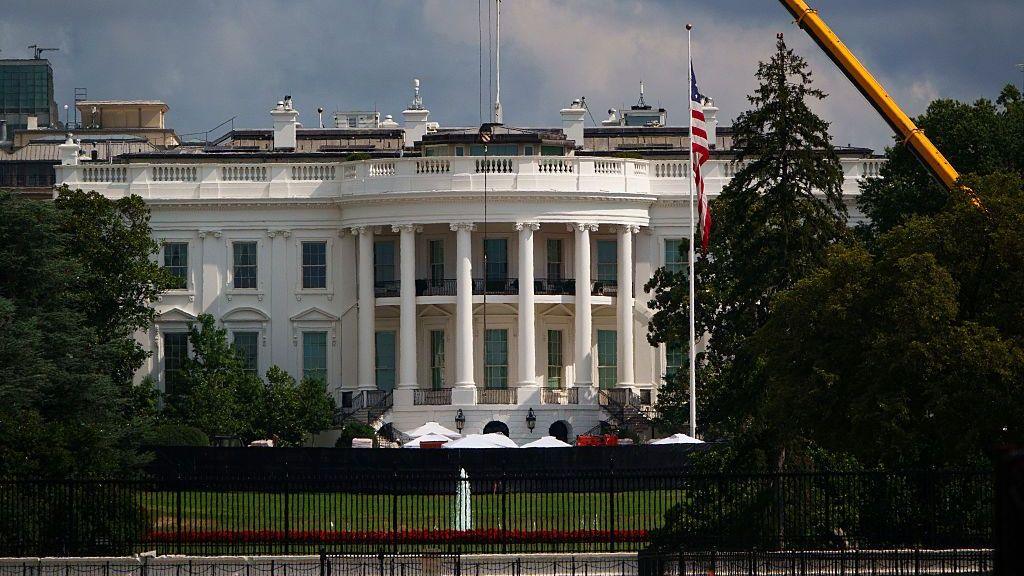
Board members who voted for the name change were predominantly Trump allies appointed by the president, illustrating a broader pattern of Trump‑driven projects across Washington—from the reflecting pool to the White House East Wing makeover.
While the renovation dispute centers on naming rights, the underlying conflict touches on the preservation of cultural heritage, the limits of executive influence, and the legal safeguards that protect national memorials.