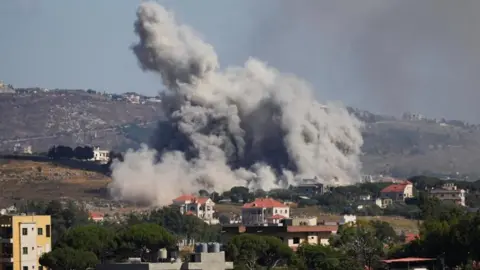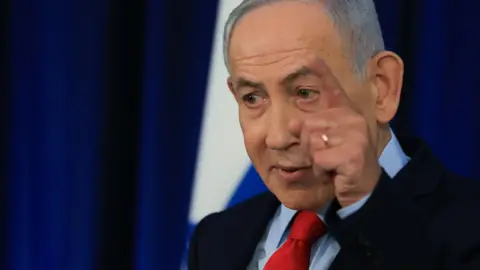
Israel's Prime Minister Benjamin Netanyahu has stated that Israel acted alone in its attack on Iran's South Pars gas field, intensifying tensions over energy infrastructure strikes across the region. Following the Israeli missile strike on South Pars, which is part of the world's largest natural gas field, Iran retaliated by targeting an energy complex in Qatar and other assets in the Gulf, raising fears of escalating conflict and supply disruptions.
Netanyahu's admission came amidst concerns over soaring energy prices resulting from these military escalations, with gas prices already rising before the incident. U.S. President Donald Trump later conveyed that he was unaware of the attacks prior to their execution.
The fallout from these actions has stirred speculation regarding the alignment of military objectives shared between Israel and the United States, raising questions about the level of coordination, especially after reports indicated prior American knowledge of the planned strikes.
During the press conference, Netanyahu reiterated the damage inflicted upon Iran's military capabilities, asserting that while Israel is working to weaken Iran's regime, the eventual responsibility for action lies with the Iranian populace.
This conflict’s ramifications go beyond military confrontation, impacting global energy markets as imports and exports could face significant interruptions. In particular, the strikes on Qatar's facilities have led to warnings from Qatar's Prime Minister about severe repercussions for energy supplies worldwide.
As tensions continue to rise, Iran's Foreign Minister has threatened zero tolerance for any further strikes, hinting at a dangerously escalating atmosphere that may impact energy security far beyond the immediate region.
Netanyahu's admission came amidst concerns over soaring energy prices resulting from these military escalations, with gas prices already rising before the incident. U.S. President Donald Trump later conveyed that he was unaware of the attacks prior to their execution.
The fallout from these actions has stirred speculation regarding the alignment of military objectives shared between Israel and the United States, raising questions about the level of coordination, especially after reports indicated prior American knowledge of the planned strikes.
During the press conference, Netanyahu reiterated the damage inflicted upon Iran's military capabilities, asserting that while Israel is working to weaken Iran's regime, the eventual responsibility for action lies with the Iranian populace.
This conflict’s ramifications go beyond military confrontation, impacting global energy markets as imports and exports could face significant interruptions. In particular, the strikes on Qatar's facilities have led to warnings from Qatar's Prime Minister about severe repercussions for energy supplies worldwide.
As tensions continue to rise, Iran's Foreign Minister has threatened zero tolerance for any further strikes, hinting at a dangerously escalating atmosphere that may impact energy security far beyond the immediate region.