In brief
The Forwarder, a Russian‑flagged tanker belonging to the secretive shadow fleet, successfully crossed the English Channel after UK forces seized the Smyrtos. This maneuver signals that sanctions enforcement may be followed by more audacious shipping routes, potentially increasing maritime emissions. The vessel’s journey underscores the growing friction between geopolitical security measures and climate‑sensitive shipping practices. With the EU and UK tightening oil export bans, the event highlights both the limits of current sanctions and the need for green shipping alternatives.
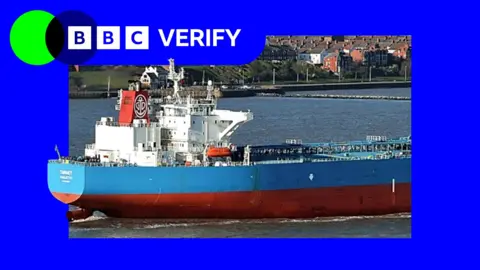
On Wednesday evening, the Russian‑flagged tanker Forwarder slipped into the English Channel, marking the first sanctioned oil ship to appear in the waters since UK forces boarded the Smyrtos earlier that week. According to ship‑tracking data, the vessel, which is part of Russia’s so‑called shadow fleet, set its final destination as the Chinese port of Dongying.
The shadow fleet – a clandestine network of at least 700 ageing tankers – is used by the Kremlin to ferry oil past Western sanctions. Eighty‑five percent of Russia’s sanctioned oil shipments are moved by ships like Forwarder, according to the Ministry of Defence.
While UK and EU officials aim to curb the carbon footprint of shipping, the re‑appearance of a sanctioned tanker in the Channel draws attention to the emissions that the oil transport sector continues to pollute. Shipping accounts for around 3 percent of global greenhouse‑gas emissions, a figure that could rise if vessels cut corners to avoid international law and sanctions.
MoD officials declined to comment on the Forwarder specifically, citing the risk that public statements could complicate future operations. The Royal Navy’s HMS Tyne was detected near the ship’s trajectory, but no interception took place.
Experts warn that the situation could signal broader challenges for the EU’s climate action. If the UK and France resist boarding sanctioned vessels, the channel could become a corridor for high‑emission oil moves that undermine Europe’s carbon‑neutral goals. Alternative green‑shipping solutions such as LNG and battery‑powered vessels, as well as carbon‑capture technologies, are increasingly advocated to reduce the sector’s climate impact.
Meanwhile, North Atlantic shipping routes may become congested as vessels attempt alternative pathways around the Irish coast to evade the English Channel’s constrained waters.