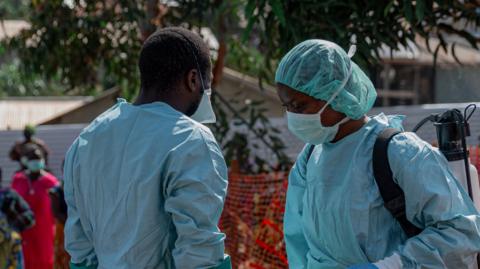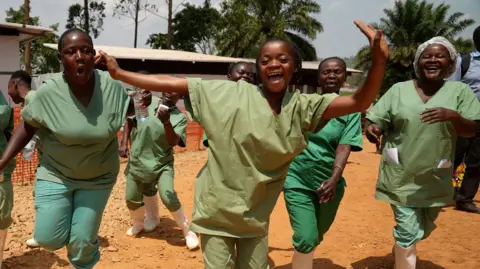
An Ebola outbreak in the Democratic Republic of Congo has been declared a public health emergency of international concern, by the World Health Organization (WHO).
Dealing with this outbreak is difficult as it involves a rare strain for which there is no vaccine and the cases have been found in an area affected by conflict.
What is Ebola and what are the symptoms?
Ebola is a rare but deadly disease caused by a virus.
Ebola viruses normally infect animals, typically fruit bats, but outbreaks among humans can sometimes start when people eat or handle infected animals.
It takes two to 21 days for symptoms to appear. They come on suddenly and start like the flu, with fever, headache and tiredness.
As the disease progresses, vomiting and diarrhoea develop, leading to organ failure. Some, but not all, patients develop internal and external bleeding.
The virus spreads from one person to another by contact with infected bodily fluids such as blood or vomit.
Why is this Ebola outbreak different and is there a vaccine?
This outbreak is caused by the Bundibugyo species of Ebola, which had not been seen for over a decade.
Bundibugyo has only caused two previous outbreaks, when it killed about a third of those infected.
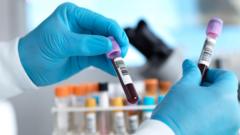
This rarer species of Ebola is causing challenges. Initial blood tests for Ebola were negative as they test for more common species.
There is no approved vaccine for Bundibugyo, but experimental ones are in development. It is possible that a vaccine for another species of Ebola (called Zaire) may offer some protection.
There are also no drugs developed that target Bundibugyo, making it harder to treat.
An additional complication is that the outbreak is taking place in a conflict zone, with a quarter of a million people displaced from their homes and people moving across porous borders into neighbouring countries.
However, the WHO's declaration of a public health emergency of international concern does not mean we are in the early stages of a Covid-style pandemic. The risk Ebola poses outside East Africa is minimal.
How did the outbreak start?
The first known case was a nurse who developed symptoms on April 24, so the virus had been spreading undetected for weeks.
This means that the true size of the outbreak is unknown and the task of finding infected patients and anyone they may have spread the virus to is more challenging.
The nurse died in Bunia, the capital of eastern DR Congo's Ituri province, according to Congolese health minister Samuel Roger Kamba.
The nurse's body was repatriated to Mongwalu, one of two gold-mining towns where the majority of cases have been reported.
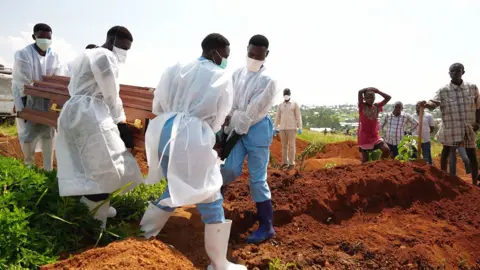
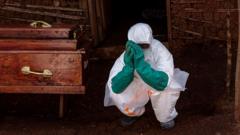
Kamba said one of the reasons the virus spread quickly was the number of people exposed to the body during the funeral ceremony.
Africa Centres for Disease Control and Prevention's (CDC) director Dr Jean Kaseya emphasized that funerals, as they were during previous outbreaks of Ebola, are a particular concern.
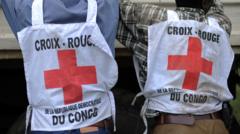
He mentioned that public health information campaigns were informing about how to handle funerals and the importance of basic hygiene and sanitation, as well as providing protection measures for health workers.
Kamba also noted that the outbreak was slow to be reported because infected communities believed it was witchcraft or a mystical illness," prompting people to seek treatment from prayer centres and witchdoctors rather than hospitals.
Where have cases been reported?
The first reported cases were in the Ituri towns of Mongwalu and Rwampara, as well as Bunia.
There has also been a case in eastern DR Congo's biggest city, Goma, which has a population of around 850,000 people and is under rebel control.
In Goma, the confirmed case involved a woman who had travelled to the city after her husband died of Ebola in Bunia, Jean-Jacques Muyembe, the director of the Congolese Institut National de Recherche Biomédicale (INRB), reported.
Unfortunately, one person has also died in Uganda's capital, Kampala, while another is being treated, both of whom were Congolese nationals who had recently travelled to the country.
What is being done to tackle the outbreak?
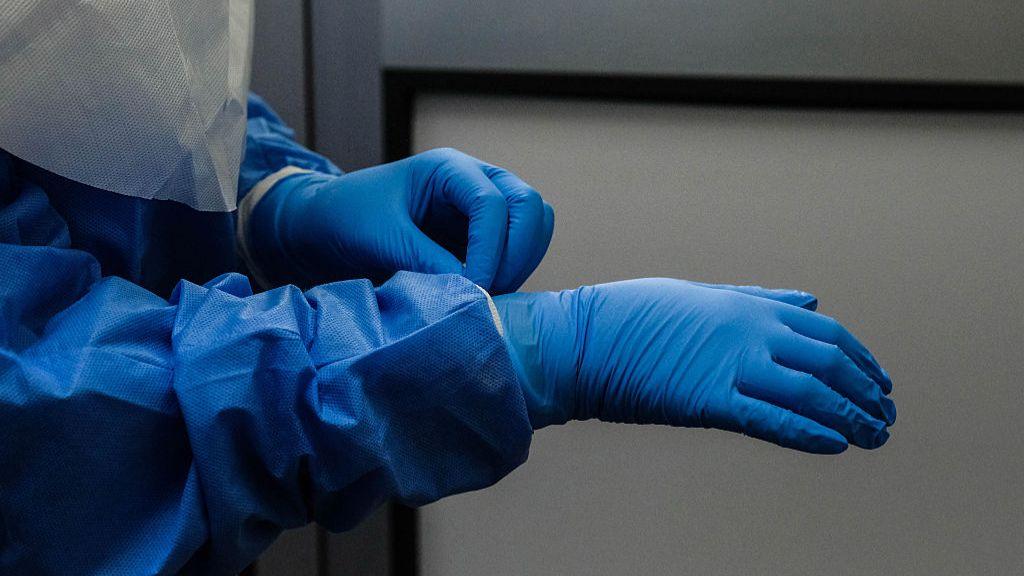
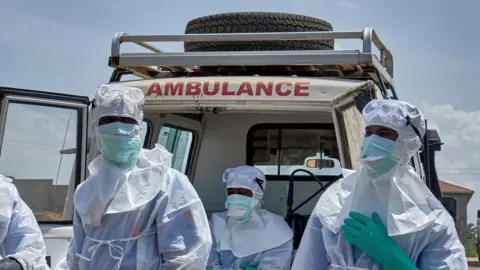
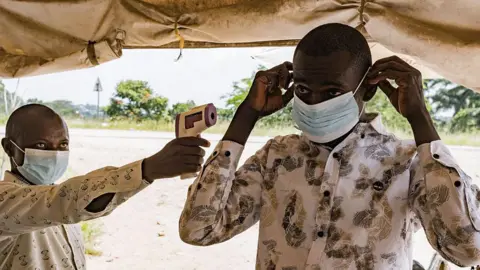
The government has sent health teams to Bunia with protective equipment.
The WHO and medical charity Médecins Sans Frontières (MSF) are also present. They are setting up treatment centres and working on a response plan.
A toll-free number, 151, has been provided for reporting symptoms.
Residents have been urged to take measures such as calling immediately when symptoms appear, avoiding contact with the bodies of people who died with symptoms, not eating raw meat, and practicing social distancing.
How are rebels responding?
Goma, the capital of North Kivu province, is currently controlled by rebels from the AFC-M23 group, who state they are establishing an Ebola response team.
On Sunday, AFC-M23 spokesman Lawrence Kanyuka announced they had immediately activated response mechanisms in collaboration with health services and local medical facilities to prevent the spread of Ebola in areas under their control.
While neither the government nor the rebels have indicated if they would collaborate for this urgency, the case in Goma confirmed by the INRB provides some grounds for optimism.
What are Rwanda and other neighbouring countries doing?
Africa CDC has warned of the high risk of spread to countries that border DR Congo, specifically Uganda, Rwanda and South Sudan.
The agency intends to speak to these countries about "how to strengthen the response."
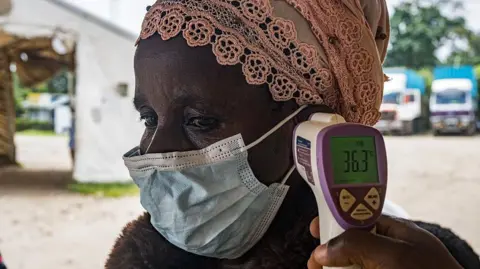
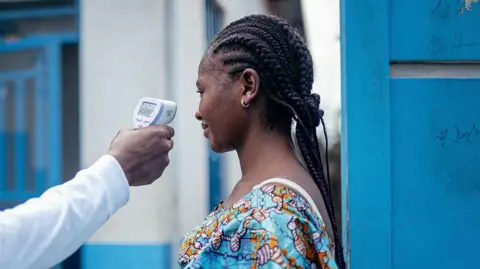
Rwandan authorities have begun reinforcing screening for people entering the country following the confirmed case in Goma, which borders Rwanda.
Despite this, reports from a Congolese national indicated personal crossing assurances; Rwandans were permitted to return home, along with Congolese nationals residing in Rwanda.
In Uganda, President Yoweri Museveni postponed the Martyrs' Day pilgrimage, a Christian holiday typically attracting thousands of Congolese visitors.