The World Health Organization (WHO) has announced that it may take up to nine months before a vaccine for the current Ebola outbreak is available. This alarming news comes as the death toll in the Democratic Republic of Congo continues to rise.
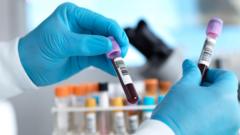
WHO advisor Dr. Vasee Moorthy indicated that two candidate vaccines targeting the Bundibugyo species of Ebola are currently being developed, but neither has entered clinical trials yet.
Dr. Tedros Adhanom Ghebreyesus, WHO's chief, revealed that the region is seeing an increasingly worrisome trend, with 600 suspected cases of Ebola reported and approximately 139 fatalities, a number expected to increase due to delayed detection capabilities.
In his address to journalists in Geneva, Dr. Tedros confirmed 51 cases in the Democratic Republic of Congo and two additional cases in Uganda, both linked to travel from the Congolese outbreak epicenter.
This outbreak has prompted the WHO to declare it a public health emergency of international concern, although it does not qualify as a pandemic-level crisis. Health risks are deemed high nationally and regionally, yet low globally.
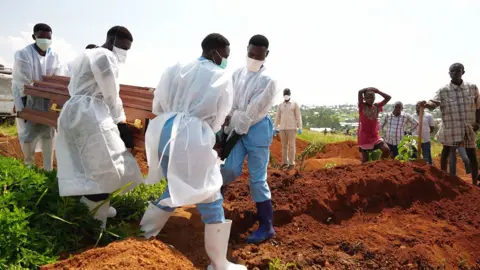
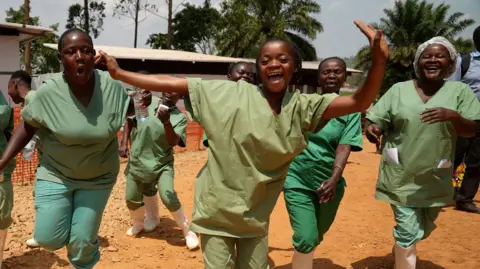
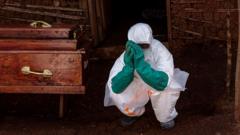
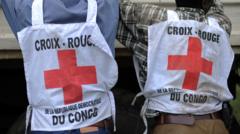
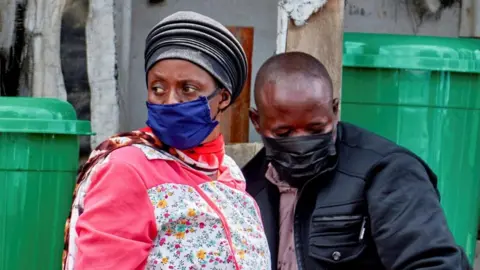
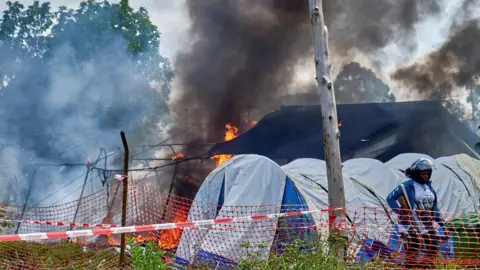
The confirmed infections primarily stem from the eastern Ituri province of DR Congo, with healthcare workers among the deceased, complicating the response as local health facilities report being overwhelmed.
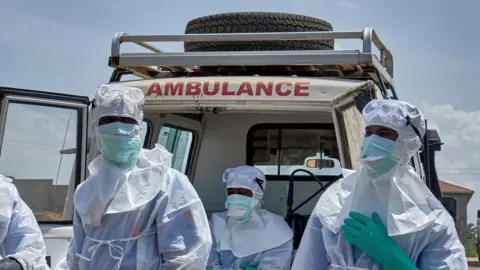
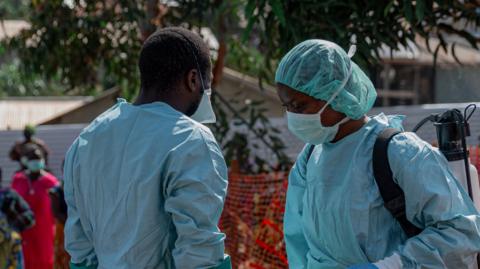
Trish Newport, an emergency programme manager for Médecins Sans Frontières (MSF), highlighted the dire conditions faced by health workers, with facilities filled with suspected cases and inadequate protective equipment.
The UK government has pledged £20 million to support outbreak containment efforts, including funding for frontline health workers and improved disease surveillance.
Despite criticisms regarding WHO's timeliness in addressing the outbreak, officials highlight the complexities of managing response efforts amidst regional conflict and logistical challenges.
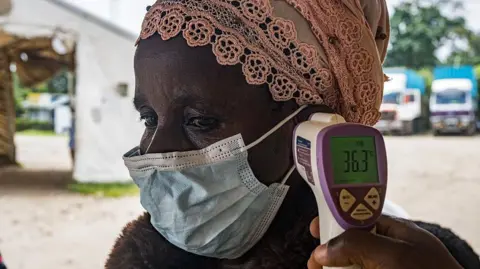
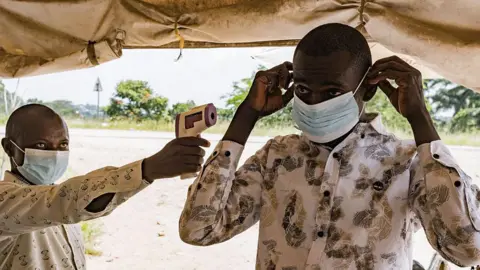
The spread of Ebola—transmitted through direct contact with bodily fluids—poses significant challenges, particularly as initial symptoms overlap with common local illnesses, potentially hindering identification efforts.
As the situation unfolds, the urgency for effective vaccines and adequate treatment continues to grow. Vaccination development must therefore be prioritized, as the Bundibugyo species poses unique challenges due to the limited toolset available for combating it.