In brief
In the eastern Democratic Republic of Congo, fear reigns as the country experiences a rapidly escalating Ebola outbreak, primarily in Ituri province. With over 500 suspected cases and at least 136 fatalities reported, health officials warn the virus may have been undetected longer than previously thought. Residents express deep concern as they navigate a deadly situation hindered by community distrust and inadequate health infrastructure.
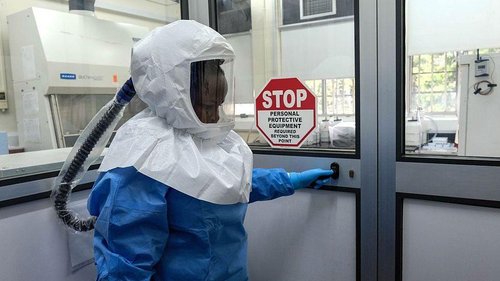
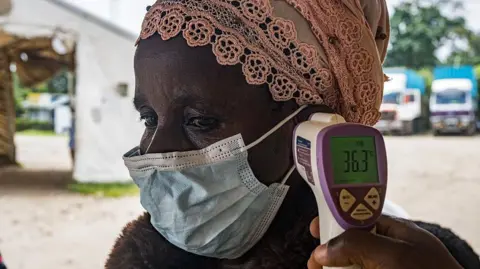
Fear has gripped Ebola-hit areas in eastern Democratic Republic of Congo as the suspected number of deaths continues to rise, with officials indicating they are struggling to catch up with an outbreak that may have previously been spreading undetected.
Ebola has tortured us, says a taxi rider in his late twenties from the gold-mining town of Rwampara. I am scared because people are dying very fast... We are really afraid.
The epicenter of the outbreak is in Ituri province, where Health Minister Dr. Samuel Roger Kamba revealed health teams are grappling with a virus that could have been circulating prior to its detection on April 24. The presumed patient zero is a nurse who died in the capital Bunia but was buried in Mongwalu, which has reported many cases.
Local fears are heightened by the fact that people may have died unnoticed, as several deaths occurred without being reported to the authorities. As a result, identifying the extent of the outbreak has been challenging.
Dr. Kamba has called for better community engagement to understand the illness's spread and improve reporting practices, recognizing that many deaths were mistakenly attributed to witchcraft rather than a virus.
Currently, there are 514 suspected Ebola cases and 136 confirmed deaths. Cases have been reported in the cities of Butembo and even Goma, the latter being a significant trading hub controlled by rebel forces.
The outbreak is attributed to the Bundibugyo strain of Ebola, which has previously caused high mortality rates but is less recognizable than the more common Zaïre strain, often leading to delayed diagnosis.
International charity Save the Children highlighted that this outbreak compounds existing crises in a conflict-ridden and humanitarian-heavy region.
Meanwhile, the U.S. has pledged $13 million in emergency assistance for DR Congo and Uganda, while the World Health Organization has labeled this outbreak a public health emergency of international concern.
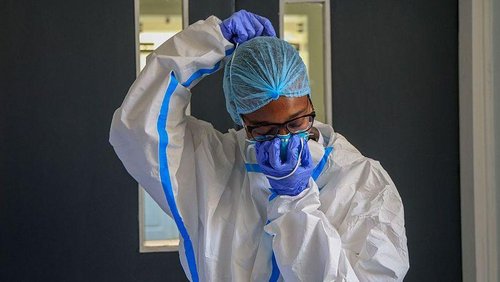
As efforts to manage the situation continue, residents like Fred Kiza express a desire for protective measures such as masks to combat the virus's spread, underscoring the urgent need for a more robust health response.