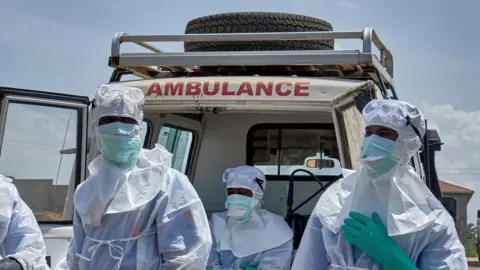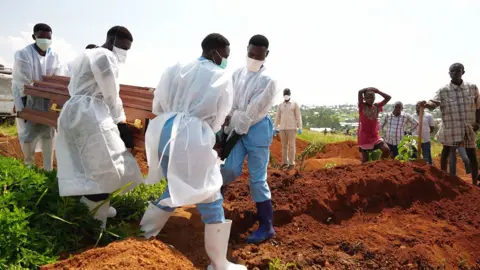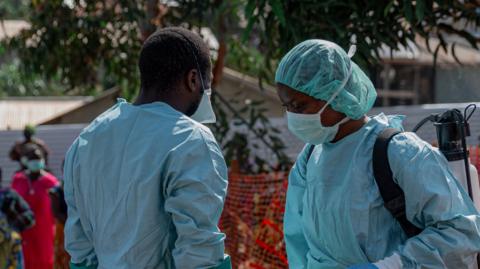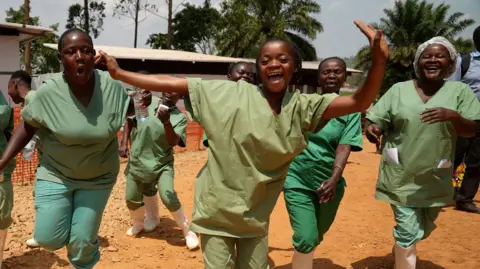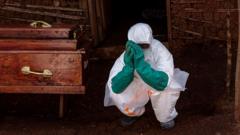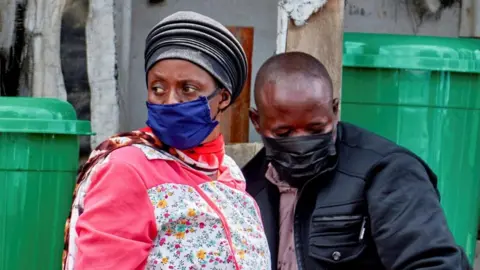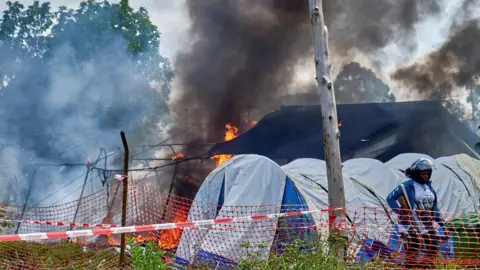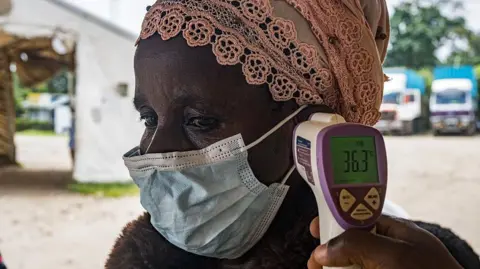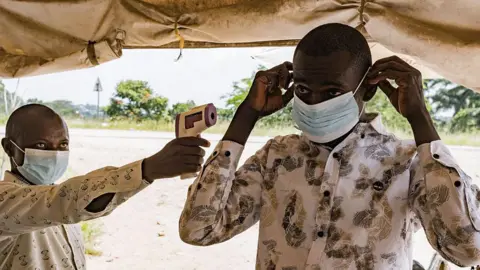
The World Health Organization (WHO) has reported alarming figures related to the Ebola outbreak, revealing 600 suspected cases and 139 deaths, with numbers expected to increase as the virus continues to spread. WHO chief Dr. Tedros Adhanom Ghebreyesus provided these updates, noting that the majority of the confirmed cases have originated from the Democratic Republic of Congo (DRC), where 51 cases have been confirmed, along with two in neighboring Uganda.
The outbreak is tied to the Bundibugyo species of Ebola, which has posed significant challenges as it had not been reported for over a decade in the DRC. Official reports signify that the outbreak likely commenced a couple of months prior, with the first known case being a nurse who died on April 24th.
In response to the public health crisis, the WHO declared an emergency of international concern but clarified that the situation does not meet the criteria for a pandemic. The risk level is assessed as high nationally and regionally while deemed low globally. Ghebreyesus emphasized the significance of the situation and its implications for health policy in the region.
Previously affected areas include Ituri province, measured as the epicenter of this outbreak, and the urban districts of Bunia and Goma in North Kivu province. As contact tracing and containment measures intensify, the lack of a targeted vaccine or treatment for the Bundibugyo species complicates the efforts to manage this health crisis.
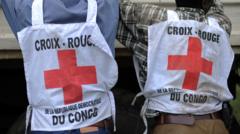
The DRC is currently undergoing its 17th outbreak of Ebola, with the conflict-stricken region adding layers of difficulty in response and care strategies. With over a decade since the last outbreak of this particular virus, health officials and humanitarian organizations are confronting unprecedented challenges to control its spread.