The Rise of Digital Farewells
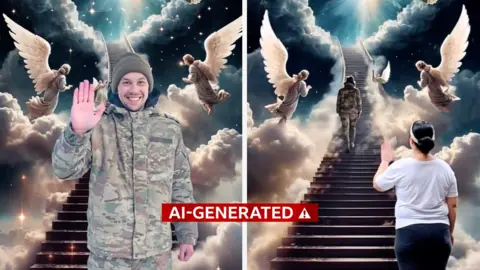
When a Russian soldier disappears in the Ukraine front, families often turn online to find comfort. A growing number of creators produce AI‑animated videos that depict the missing men returning in angelic light or holding hands with loved ones. These "deadbots" are marketed as a way to "embrace" a loved one a second time, especially when traditional funerals are impossible due to conflict.
The Power Behind the Pixels
The flashy videos are built on the same generative AI models used for deepfakes and image synthesis. Each clip requires several hours of GPU time, consuming large amounts of electricity. The servers that host these models are often located in data centres where cooling systems generate more heat than the models themselves, further increasing energy draw.
Climate Footprint of a Digital Afterlife
Researchers point out that the carbon released by a single AI image can be equivalent to the emissions from flying a passenger aircraft. When thousands of families commission funerary videos, the resulting emissions add up rapidly, contributing to the larger global greenhouse gas budget.
Ethics, Emotion and Environment Entwined
The technology raises deep questions about grief, consent, and the commodification of death. Politically, the videos portray Russian soldiers as heroic defenders—an image that many Ukrainians see as propaganda. At the same time, the environmental cost of these digital memorials mirrors the broader climate crisis, where even creative tools can leave a lasting footprint.
Responses from the Front Lines
Some Russian families find the videos comforting, echoing the sentiment "Thank you, AI, for this opportunity to be with my loved one." Others report that the illusion does little to ease their pain, questioning whether technology can truly heal a wound caused by war.
Looking Ahead
As global AI use expands, the environmental implications of each new model must be considered. Until now, little guidance exists on how to balance emotional support with climate responsibility. For the future, integrating low‑power, verifiable AI architectures and exploring renewable energy‑backed data centres could minimize the double burden of grief and carbon.