Zelensky Recovers Poland’s Highest Honor Amidst WWII‑Named Unit Controversy
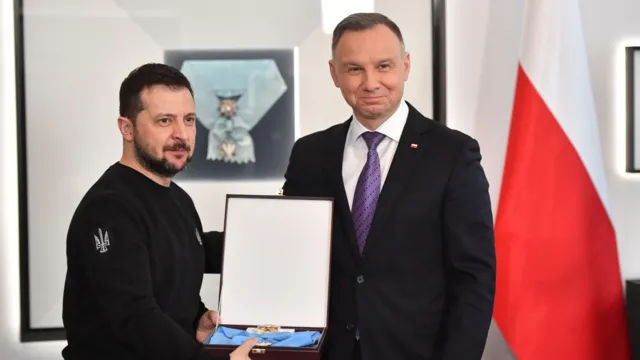
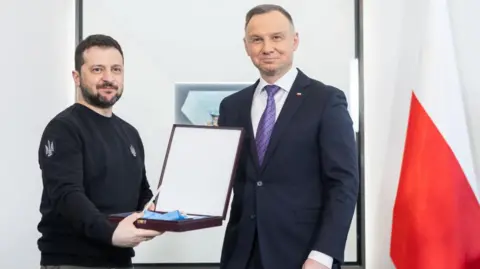
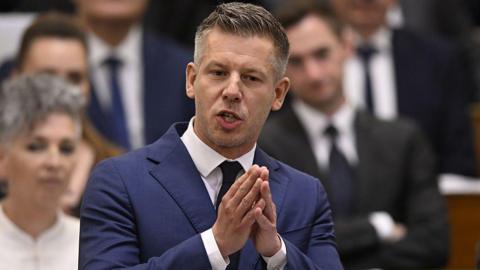
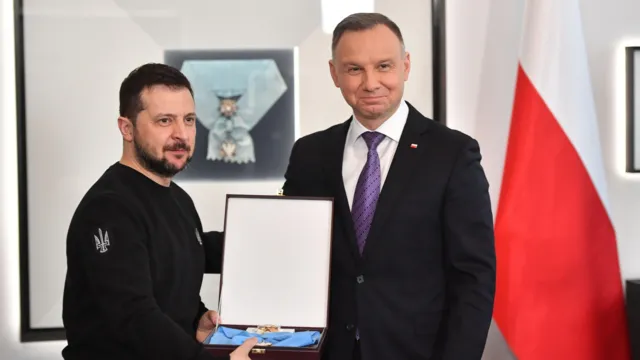
Ukraine’s president Volodymyr Zelensky has taken back Poland’s premier decoration, the Order of the White Eagle, after Polish President Karol Nawrocki said he would strip him of the award. The move came two days after Zelensky’s controversial decision to rename a Ukrainian army unit after the Ukrainian Insurgent Army (UPA), a WWII group that Polish authorities consider responsible for the genocide of Polish civilians.
The Order of the White Eagle was originally conferred on Zelensky in 2023 by former Polish President Andrzej Duda during a visit to Warsaw. Poland has been a key supporter of Ukraine in the war against Russia, hosting refugees and providing logistical aid. Yet the UPA name issue has deepened historical wounds, provoking strong reaction from Polish officials who see the UPA as a symbol of wartime atrocities.
Nawrocki described the Ukrainian decision as “outrageous, incomprehensible and deeply disappointing,” arguing that it hurt both historic memory and mutual trust. He emphasised that diplomatic tensions should not affect Poland’s support for Ukraine’s EU membership ambition, a goal the United Kingdom and EU speed‑up programmes recently reiterated.
In response, President Zelensky expressed readiness for meaningful dialogue and thanked Poland for its continued support, stressing the importance of open communication to avoid conflicting interpretations of shared history. Polish Prime Minister Donald Tusk called the row a potential victory for Russian President Vladimir Putin but urged both leaders to calm emotions and prevent escalation.
While this political saga underscores the delicate dance of memory, honour, and diplomacy, it also highlights the environmental toll of long‑standing conflicts. The conflict‑harried region faces resource shortages, air‑pollution spikes from munitions, and waste that hampers post‑war reconstruction. Sustainable solutions hinge on diplomatic goodwill and joint efforts to rehabilitate ecosystems, manage hazardous materials, and rebuild resilient infrastructure.
In a broader sense, the events remind us that the process of achieving historic reconciliation and future cooperation is inseparably linked to environmental stewardship. Poland and Ukraine’s continued collaboration can serve as a case study for how shared heritage and sustainable action can coexist, providing a blueprint for other nations emerging from conflict.
For further analysis of how diplomatic tensions intersect with environmental recovery, follow our dedicated Environment section and stay updated on the evolving relationship between Ukraine and Poland.