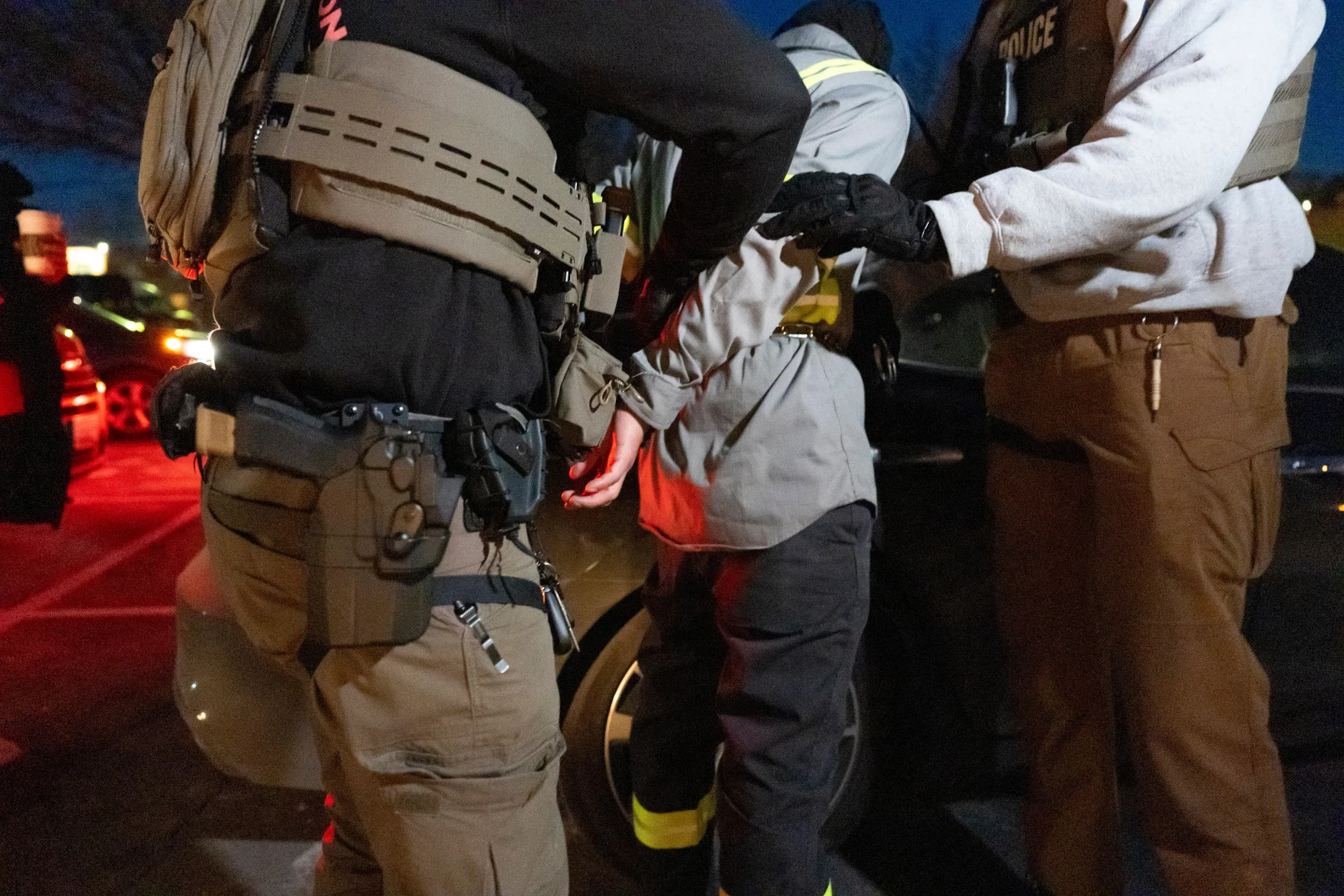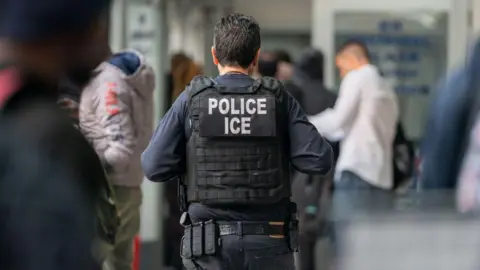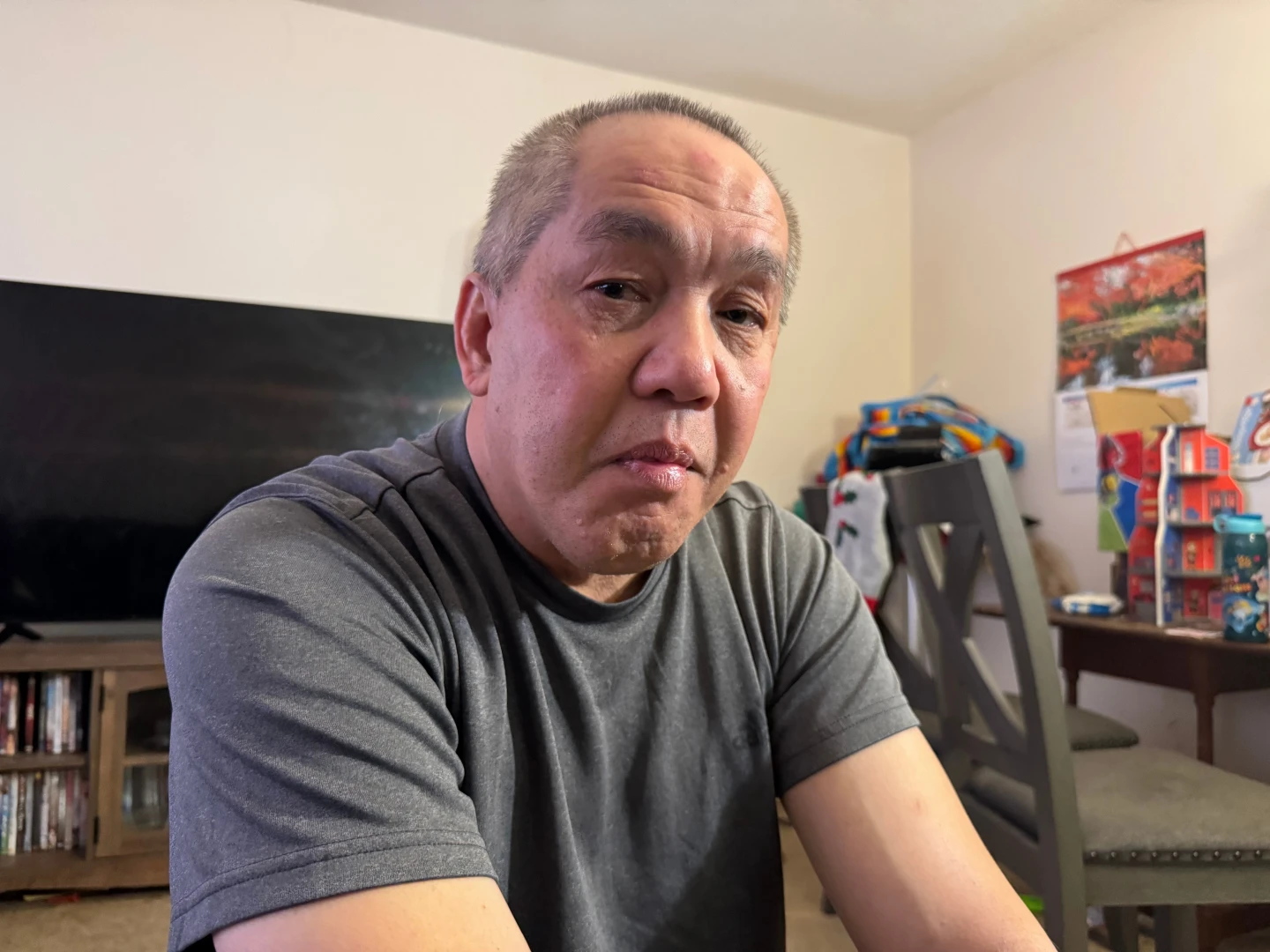
ST. PAUL, Minn. — In a troubling incident that has drawn national attention, a U.S. citizen was violently detained by federal immigration agents at his St. Paul home without a warrant, leaving his family in shock and fear. ChongLy Scott Thao recounted that on a cold Sunday afternoon, he was abruptly awakened by his daughter-in-law, who informed him that U.S. Immigration and Customs Enforcement (ICE) agents were banging at their door. Thao instructed her not to open it, but masked agents pushed their way in, brandishing weapons and shouting at the family.
Thao described the scene as chaotic, recalling how the agents did not present any warrant before breaking down the door. I was shaking, he expressed. They just broke down the door.
As federal immigration operations intensify in areas like the Twin Cities, local leaders and residents are voicing their discontent with the methods employed by ICE, particularly regarding warrantless arrests and aggressive confrontations with the community. St. Paul Mayor Kaohly Her condemned the actions taken against Thao, emphasizing that ICE was targeting ordinary citizens instead of serious offenders. It is unacceptable and un-American, she stated.
The moment of Thao's detention was captured on video, showing him emerging in handcuffs and only wearing underwear and sandals, while a blanket covered his shoulders. His small grandson witnessed the dramatic event, which included loud protests from neighbors urging the agents to leave.
After being driven away, Thao was made to exit the vehicle in freezing conditions for photographs, despite having asked agents for his identification which they initially refused to allow him to retrieve. Only after a brief time did agents realize Thao's true status as a U.S. citizen and return him home, leaving without an apology.
The U.S. Department of Homeland Security defended the operation, claiming it was targeting two convicted sex offenders believed to reside at Thao's address. However, Thao’s family firmly disputes this account, stating that no such individuals live there. The controversy has prompted calls for accountability and reform in immigration practices, with Thao now feeling unsafe in his own home and contemplating a civil rights lawsuit against the government.
Having fled communist Laos with his family due to their support for U.S. operations during the Vietnam War, Thao's personal history adds layers to the current distress he faces from the government he once sought refuge in. This incident raises critical questions about the treatment of immigrants and citizens amid rising immigration enforcement efforts.
Thao described the scene as chaotic, recalling how the agents did not present any warrant before breaking down the door. I was shaking, he expressed. They just broke down the door.
As federal immigration operations intensify in areas like the Twin Cities, local leaders and residents are voicing their discontent with the methods employed by ICE, particularly regarding warrantless arrests and aggressive confrontations with the community. St. Paul Mayor Kaohly Her condemned the actions taken against Thao, emphasizing that ICE was targeting ordinary citizens instead of serious offenders. It is unacceptable and un-American, she stated.
The moment of Thao's detention was captured on video, showing him emerging in handcuffs and only wearing underwear and sandals, while a blanket covered his shoulders. His small grandson witnessed the dramatic event, which included loud protests from neighbors urging the agents to leave.
After being driven away, Thao was made to exit the vehicle in freezing conditions for photographs, despite having asked agents for his identification which they initially refused to allow him to retrieve. Only after a brief time did agents realize Thao's true status as a U.S. citizen and return him home, leaving without an apology.
The U.S. Department of Homeland Security defended the operation, claiming it was targeting two convicted sex offenders believed to reside at Thao's address. However, Thao’s family firmly disputes this account, stating that no such individuals live there. The controversy has prompted calls for accountability and reform in immigration practices, with Thao now feeling unsafe in his own home and contemplating a civil rights lawsuit against the government.
Having fled communist Laos with his family due to their support for U.S. operations during the Vietnam War, Thao's personal history adds layers to the current distress he faces from the government he once sought refuge in. This incident raises critical questions about the treatment of immigrants and citizens amid rising immigration enforcement efforts.