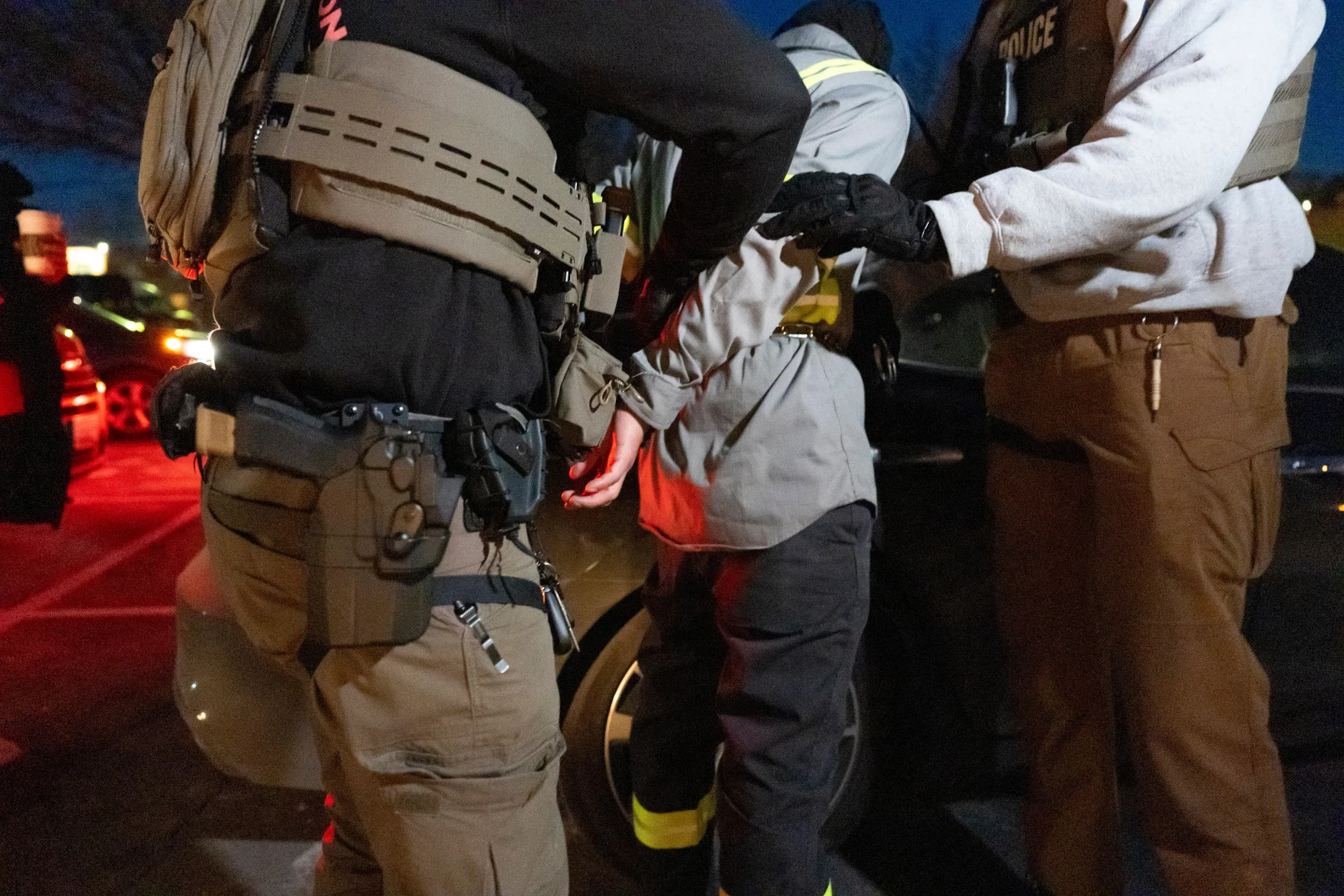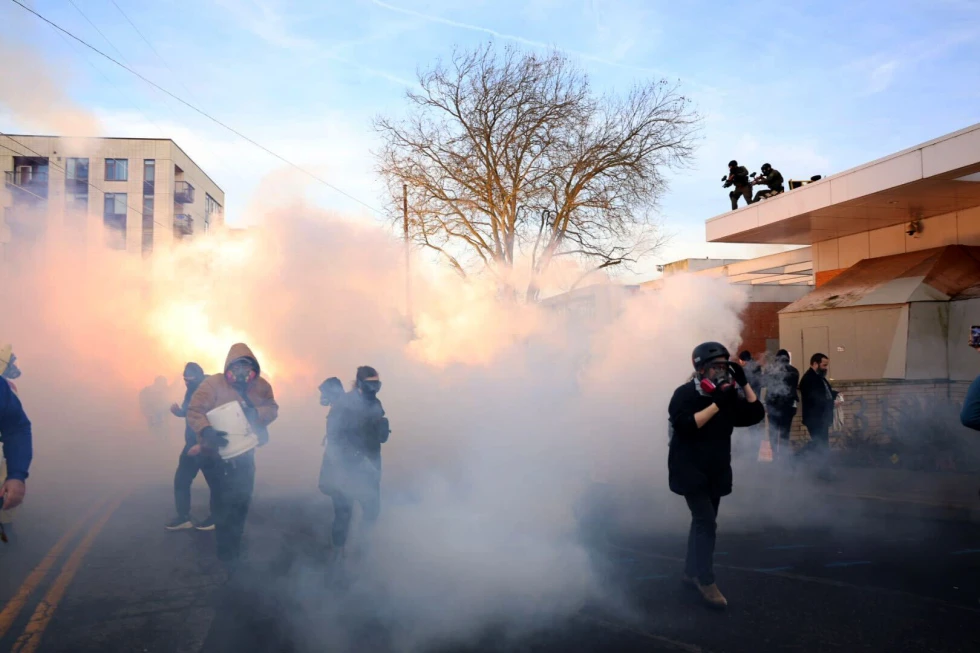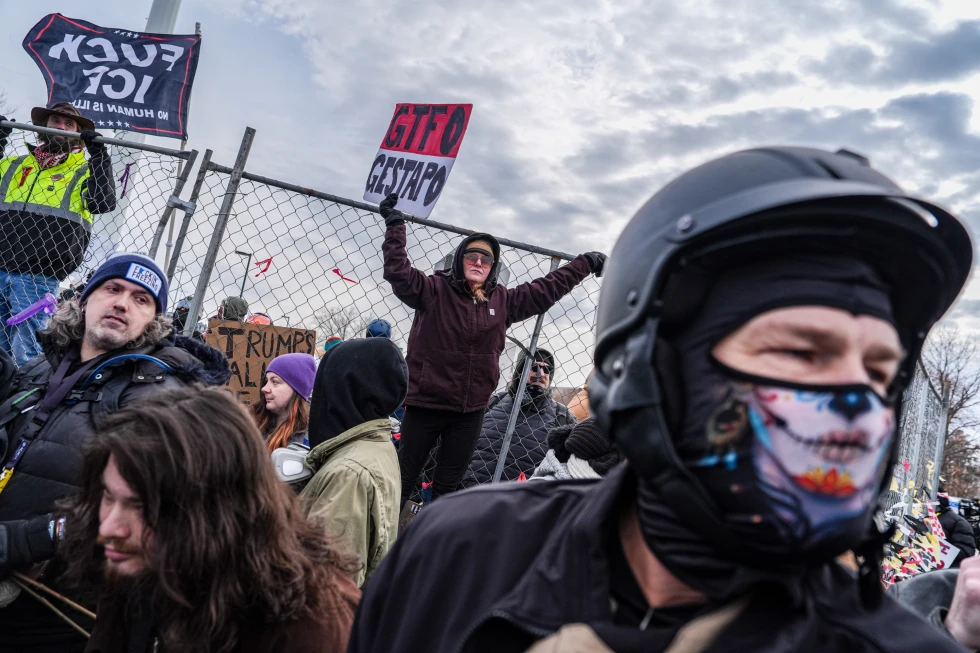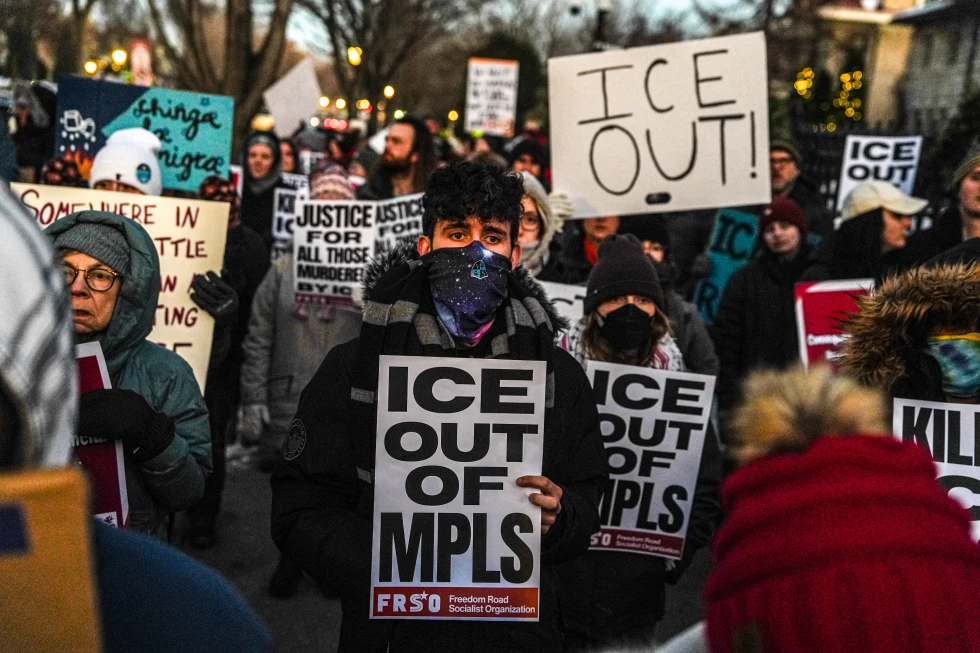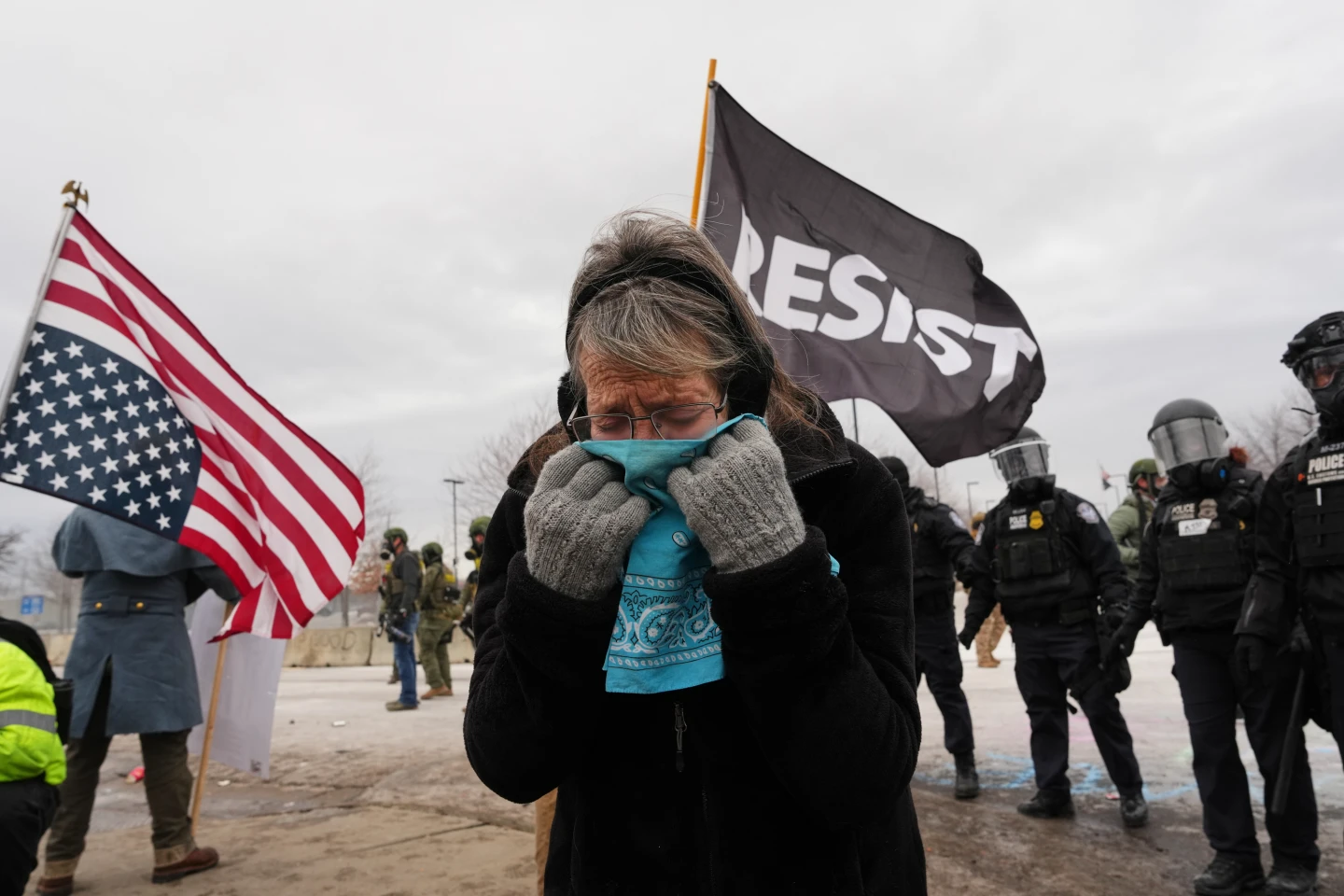
Federal immigration agents deployed to Minneapolis are employing aggressive crowd-control tactics — including pointing rifles at demonstrators and deploying chemical irritants early in confrontations — which the government claims are necessary for officer safety. However, law enforcement experts warn these actions are escalating risk and are being executed by agents lacking extensive crowd-management training.
Witness accounts and videos reviewed reveal incidents of federal agents breaking vehicle windows and using chemical agents like tear gas and pepper spray during confrontations with protesters. Critics argue these tactics can be justified in specific arrests, but pose significant risks when applied to crowd situations.
These confrontations are occurring in the context of an immigration enforcement surge initiated by the Trump administration in December, deploying over 2,000 officers from the Department of Homeland Security to the Minneapolis-St. Paul area. Many of these officers, usually engaged in arrests and investigations, lack experience in managing public demonstrations.
The unfolding situation in Minneapolis exemplifies a broader shift in federal authority during protests, utilizing immigration officers in roles traditionally occupied by local police. Such strategies are viewed as counterproductive to de-escalation efforts, potentially transforming volatile protests into life-threatening encounters.
In the wake of increased tensions following the fatal shooting of 37-year-old Renee Good by an immigration agent last week, the American Civil Liberties Union of Minnesota has filed a lawsuit aimed at restraining the actions of federal agents during protests. The suit includes requests for limits on the use of chemical agents, the pointing of firearms at non-threatening individuals, and interference with lawful recording.
Experts highlight that the current practices of federal officers diverge sharply from traditional immigration enforcement approaches. The former director of Immigration and Customs Enforcement, Sarah Saldaña, noted that agents were typically trained to handle individual apprehensions rather than crowd dynamics. The increase in aggressive measures from both protesters and law enforcement raises serious concerns about safety on both sides.
Ed Maguire, a criminology professor, criticized the current tactics as far from acceptable, emphasizing that they fail to meet even the lowest standards of best practices in crowd management. Effective practices have evolved significantly, focusing on communication and reducing unnecessary force in policing protests. Despite these advancements, there is no national standard for what constitutes acceptable practices in managing civil unrest, and experts recommend regular policy reviews and training simulations for law enforcement agencies.
In conclusion, as federal agents step outside their traditional roles, the Minneapolis situation highlights significant challenges concerning the use of aggressive tactics in crowd management and raises pressing questions about the effectiveness of current law enforcement training and practices.