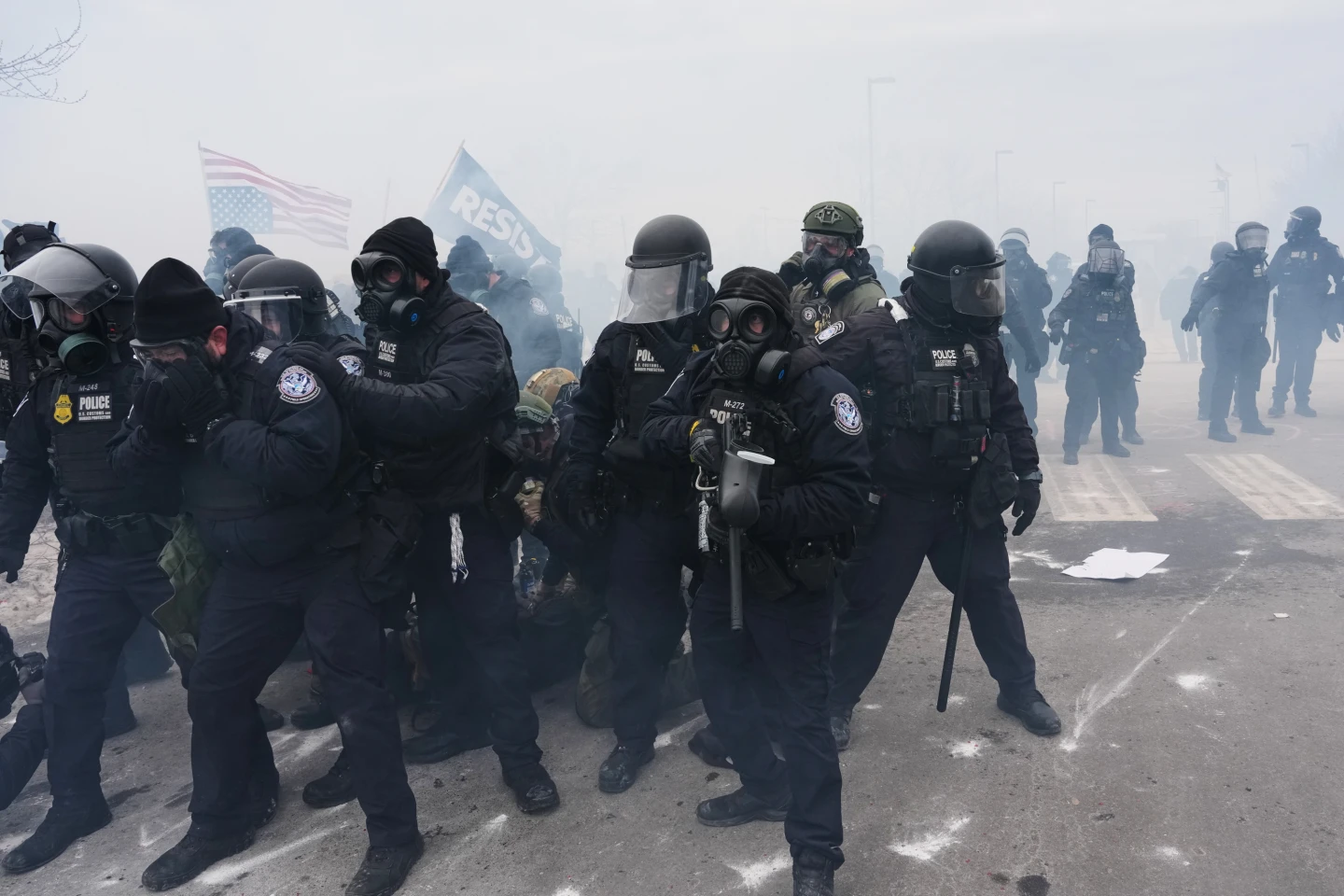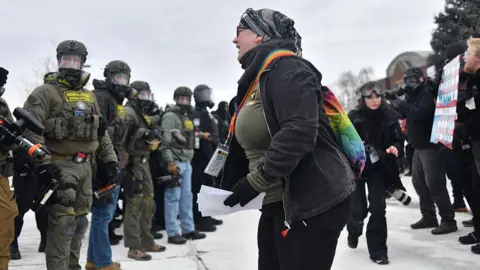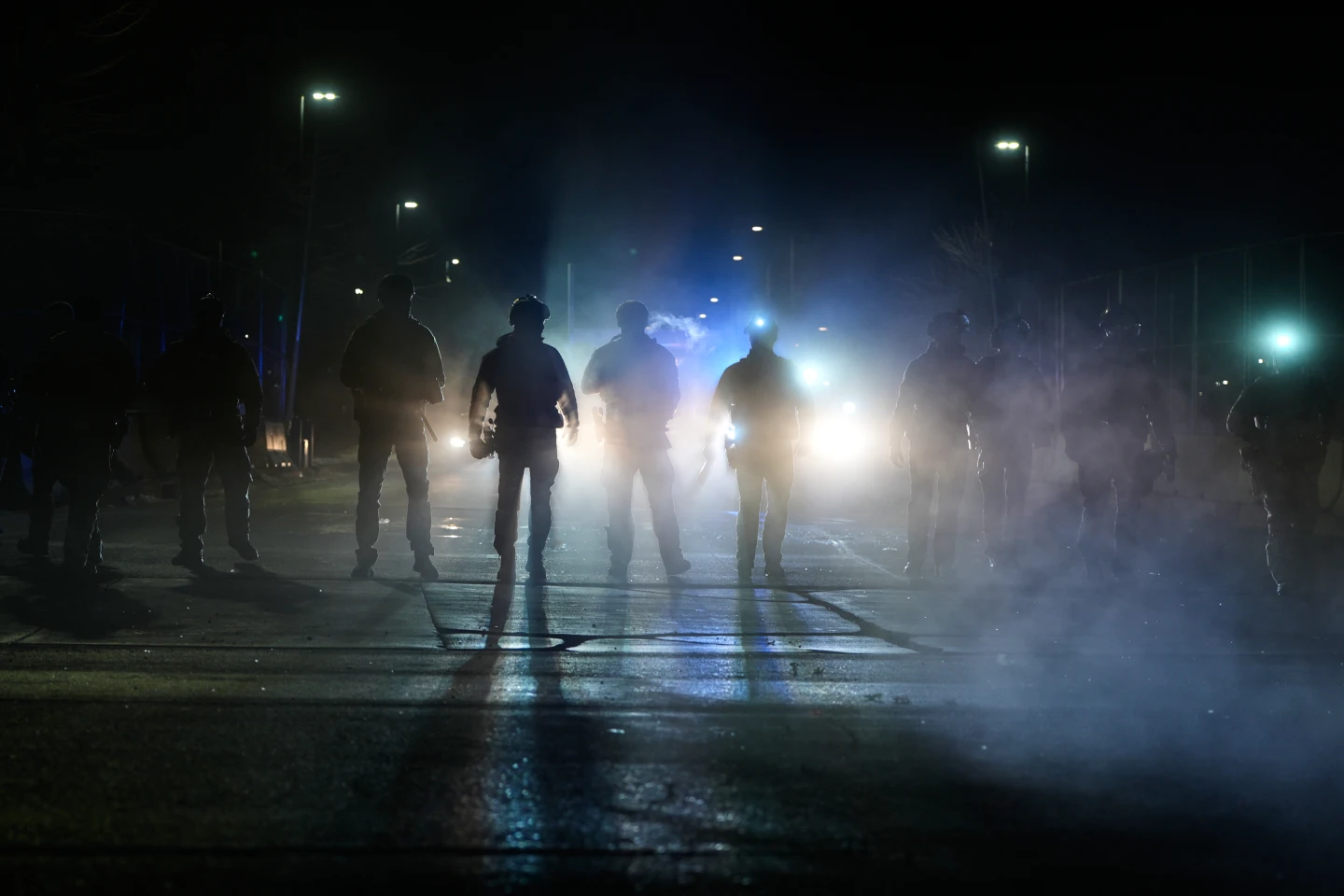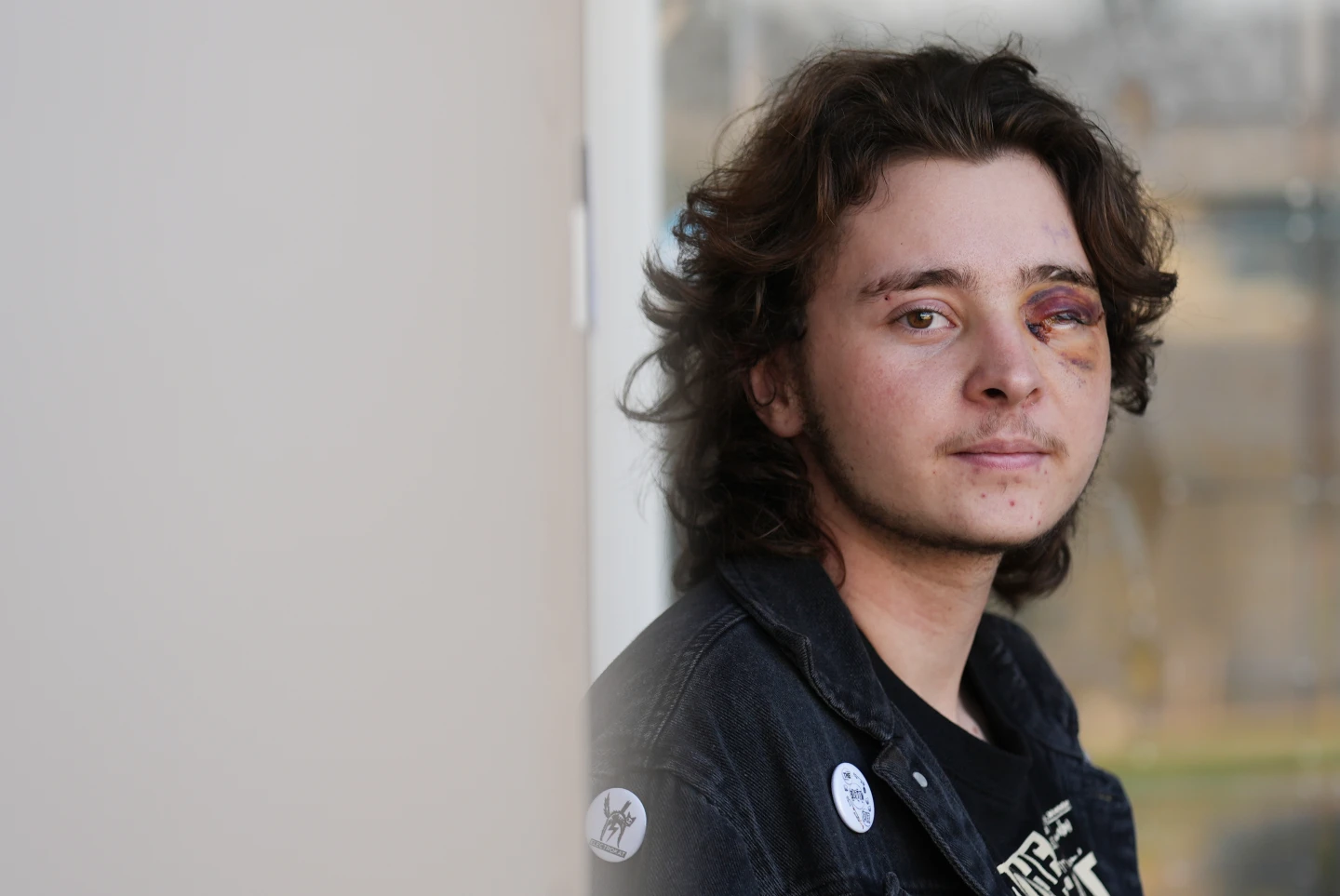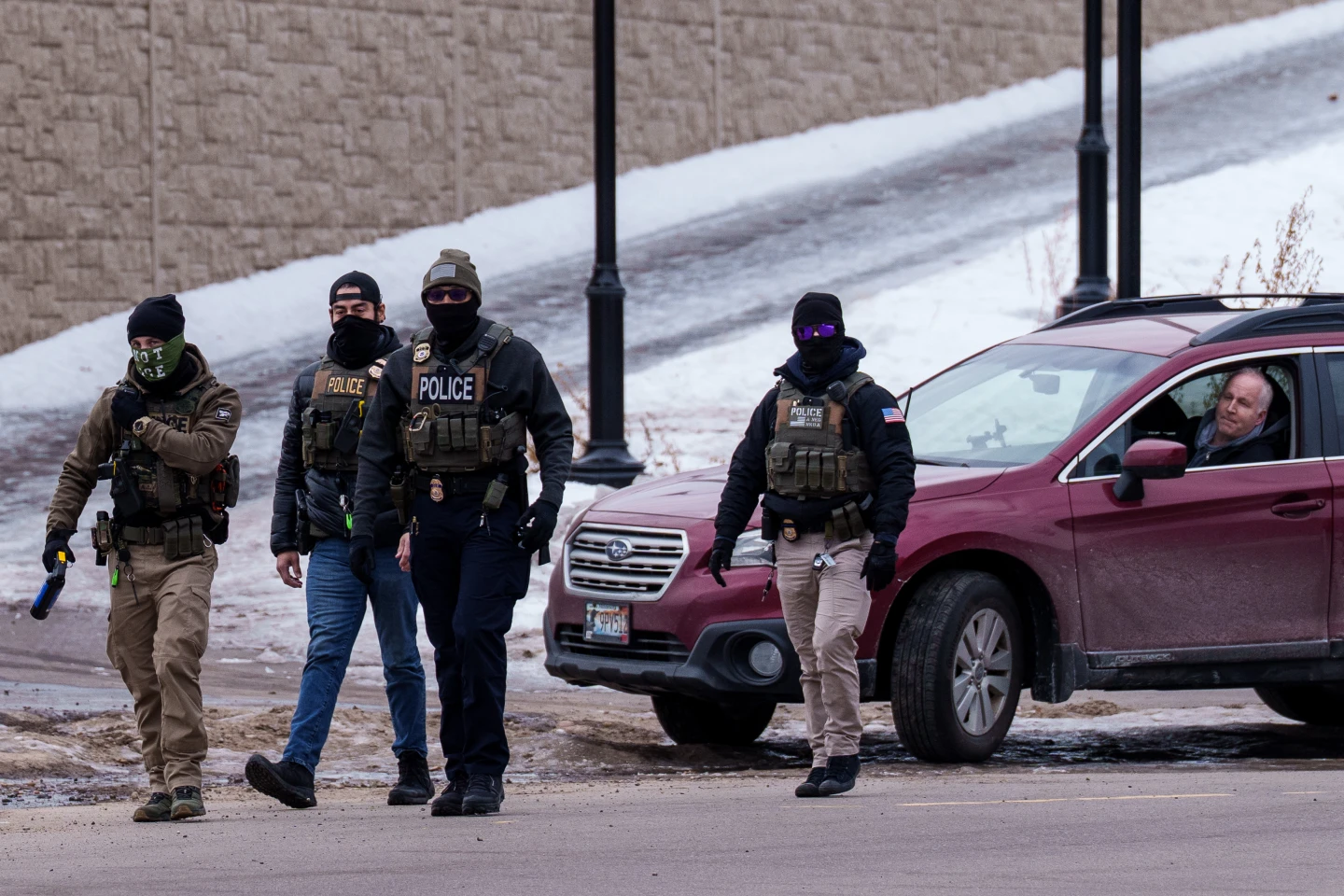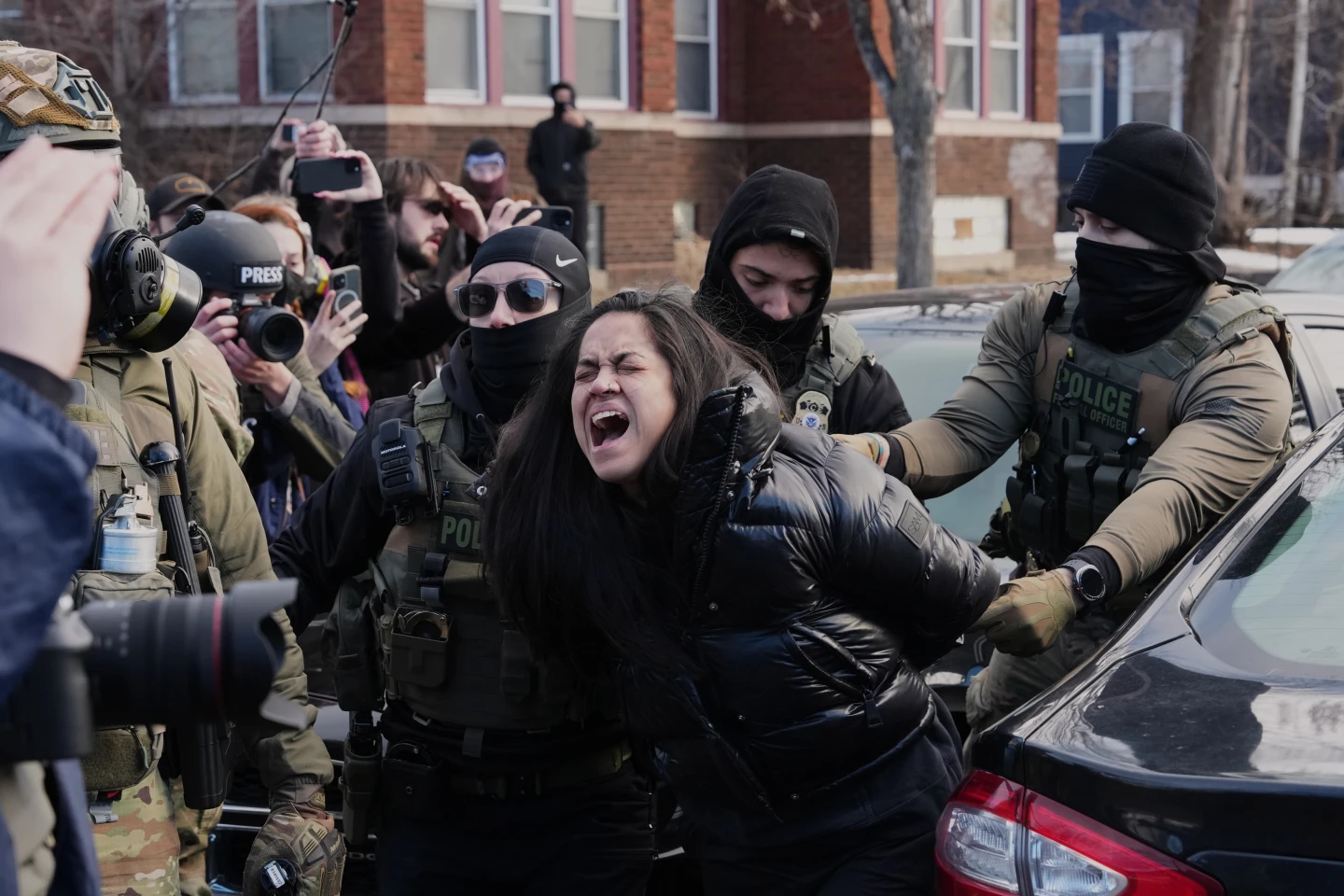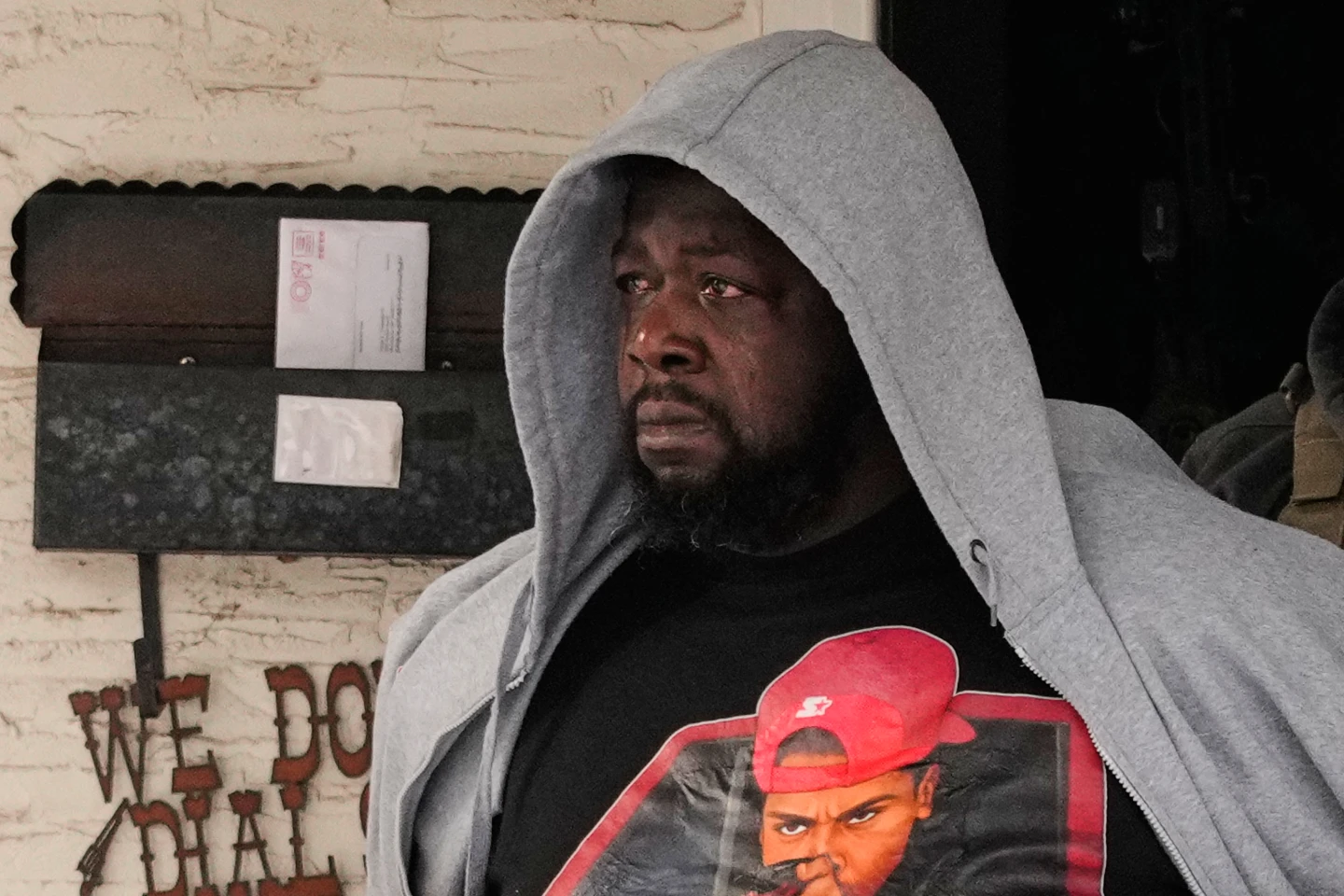
MINNEAPOLIS (Echosphere) — Garrison Gibson, a Liberian refugee who fled civil war as a child, shared his fears of leaving his Minneapolis home after being ensnared in an immigration crackdown. The crackdown, which resulted in over 2,500 arrests across the Twin Cities during the Trump administration, has been met with growing opposition from local activists and community members.
Video footage capturing federal officers forcibly breaking down Gibson’s front door sparked further protests, highlighting community disapproval of aggressive immigration tactics. Since his arrest, Gibson expressed feelings of insecurity, stating, “I don’t leave the house.”
Protests erupted in response to Gibson’s case, who faced potential deportation stemming from a drug conviction that was later dismissed. Despite being legally allowed to remain under an order of supervision, Gibson’s arrest prompted a judge to rule that proper notice had not been given regarding the revocation of this status.
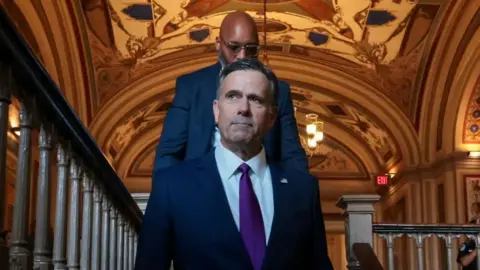
His cousin, Abena Abraham, reported that U.S. Immigration and Customs Enforcement officials indicated that White House Deputy Chief of Staff Stephen Miller ordered the re-arrest, a claim the White House denied.
Gibson was detained again briefly, raising concerns about the implications this might hold for others in similar situations as the Department of Homeland Security continues to enforce its controversial policies.
“If I was a violent person, I would not have been out these past 17 years, checking in,” Gibson said, underscoring his commitment to legal processes. Despite this, the crackdown continues to incite protests, emphasizing organized civil resistance against perceived unjust immigration policies.
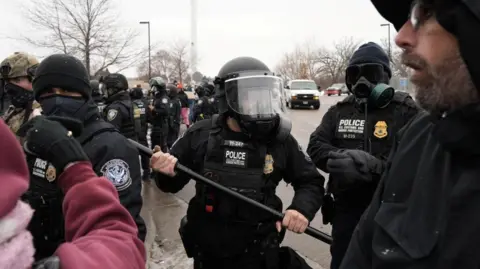
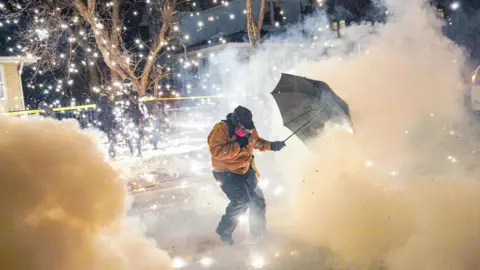
A federal judge recently ruled that immigration officers cannot detain or use tear gas on peaceful protesters observing during these operations, promoting a dialogue on the rights and treatment of individuals within these intertwined legal and social issues.
As Minnesota's immigration crackdown—reportedly the largest yet—continues, it underscores not only the stark realities faced by refugees and immigrants but also the resilience of communities standing up for justice.