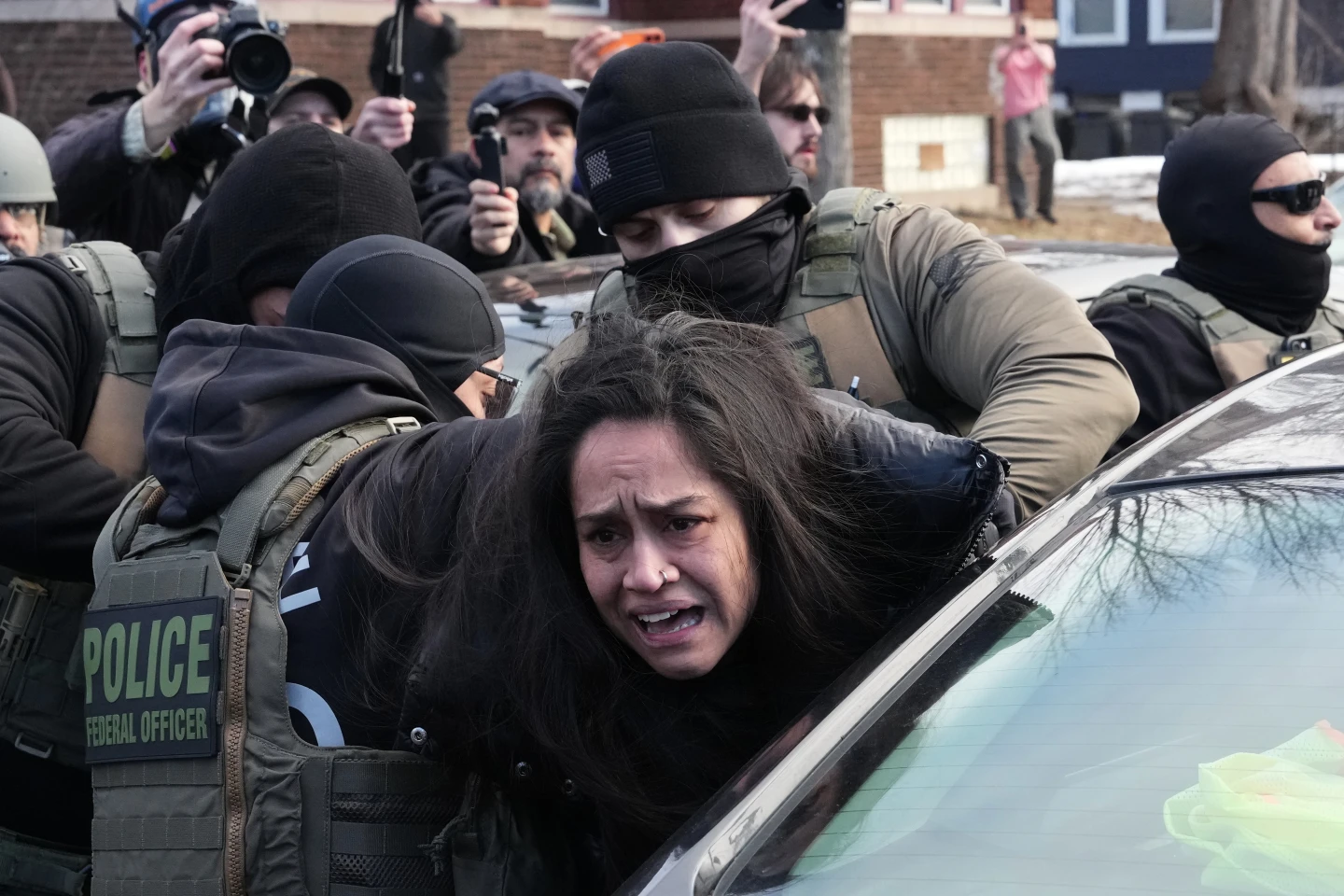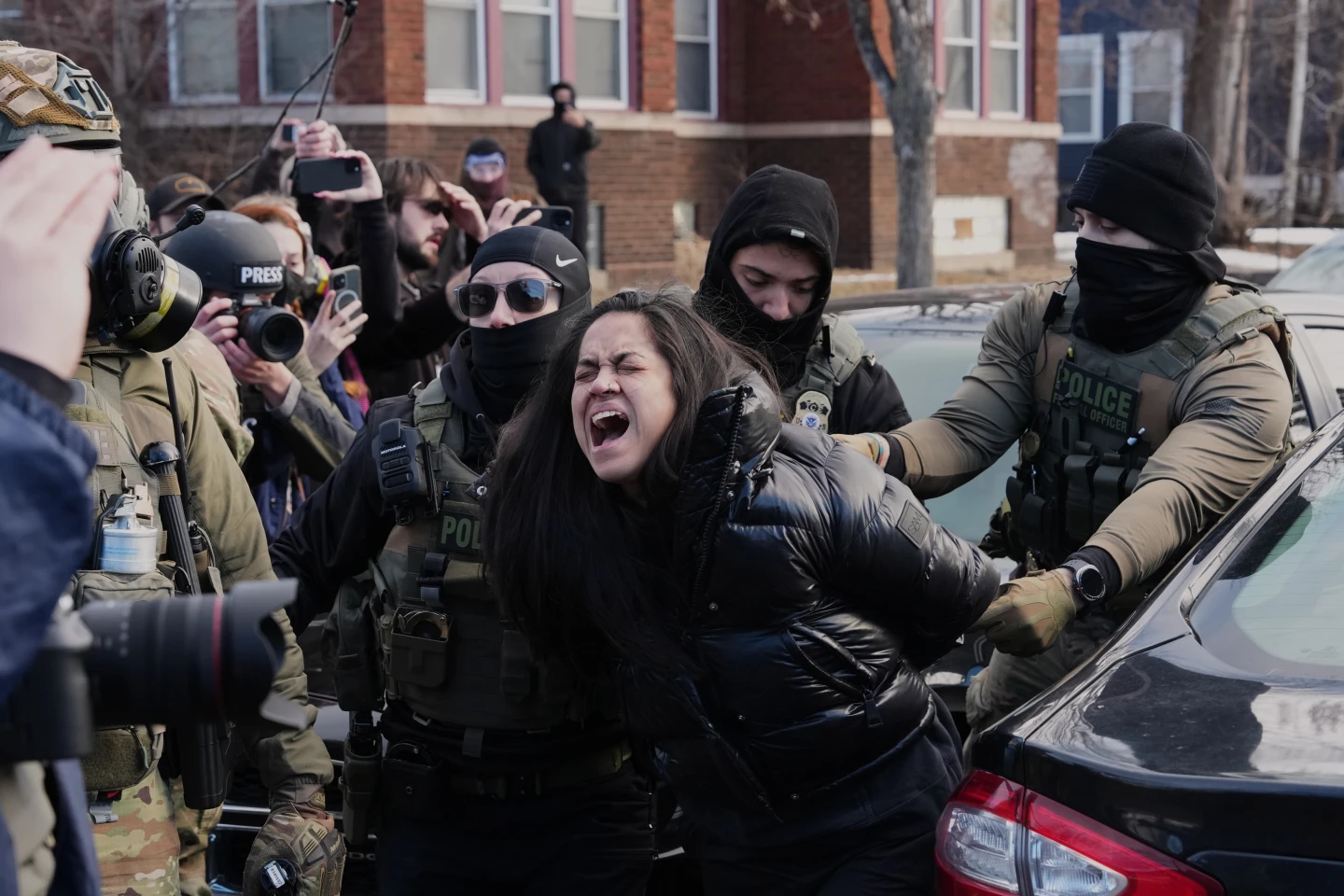
The recent arrest of Aliya Rahman, a U.S. citizen heading to a medical appointment in Minneapolis, has ignited considerable public outcry following a viral video of the incident. Rahman reported that she was forcibly removed from her car by immigration officers, taken into custody, and denied medical care, leading her to lose consciousness.
The Department of Homeland Security claimed that Rahman was obstructing ongoing arrests by ICE agents, labeling her as an agitator. However, Rahman and witnesses contest this narrative, portraying her as an innocent individual caught in a contentious encounter with federal officials.
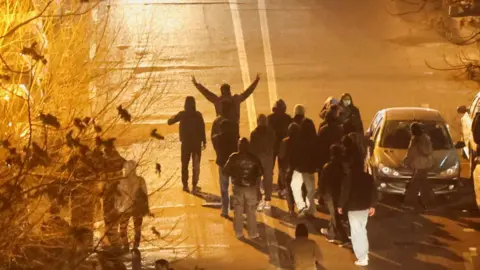
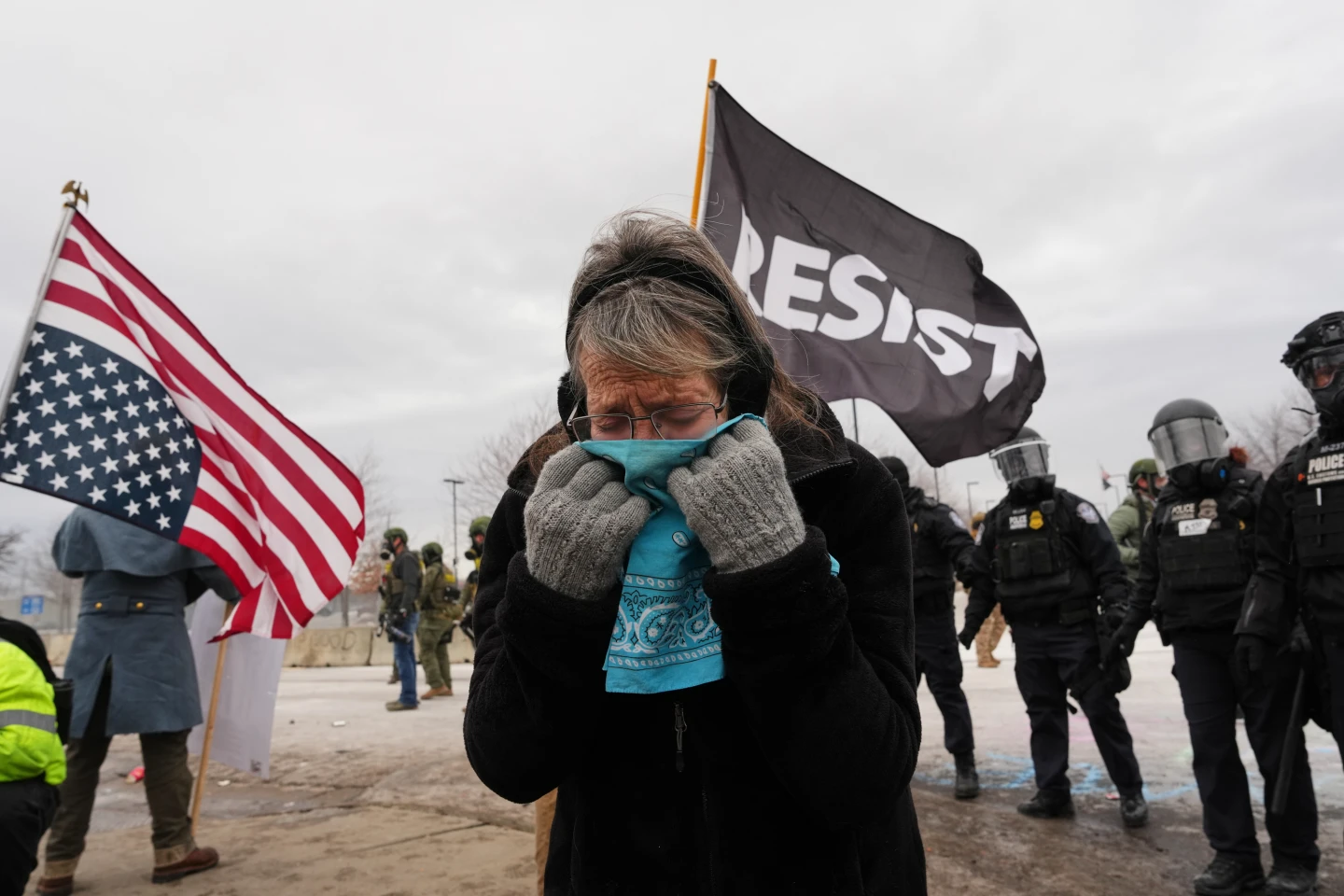
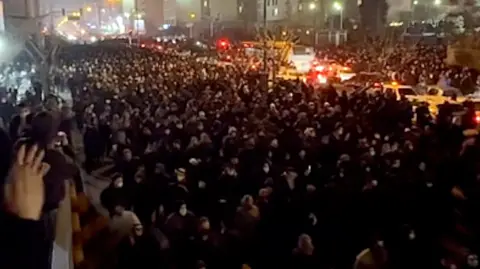
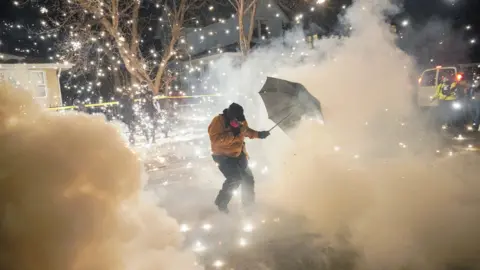
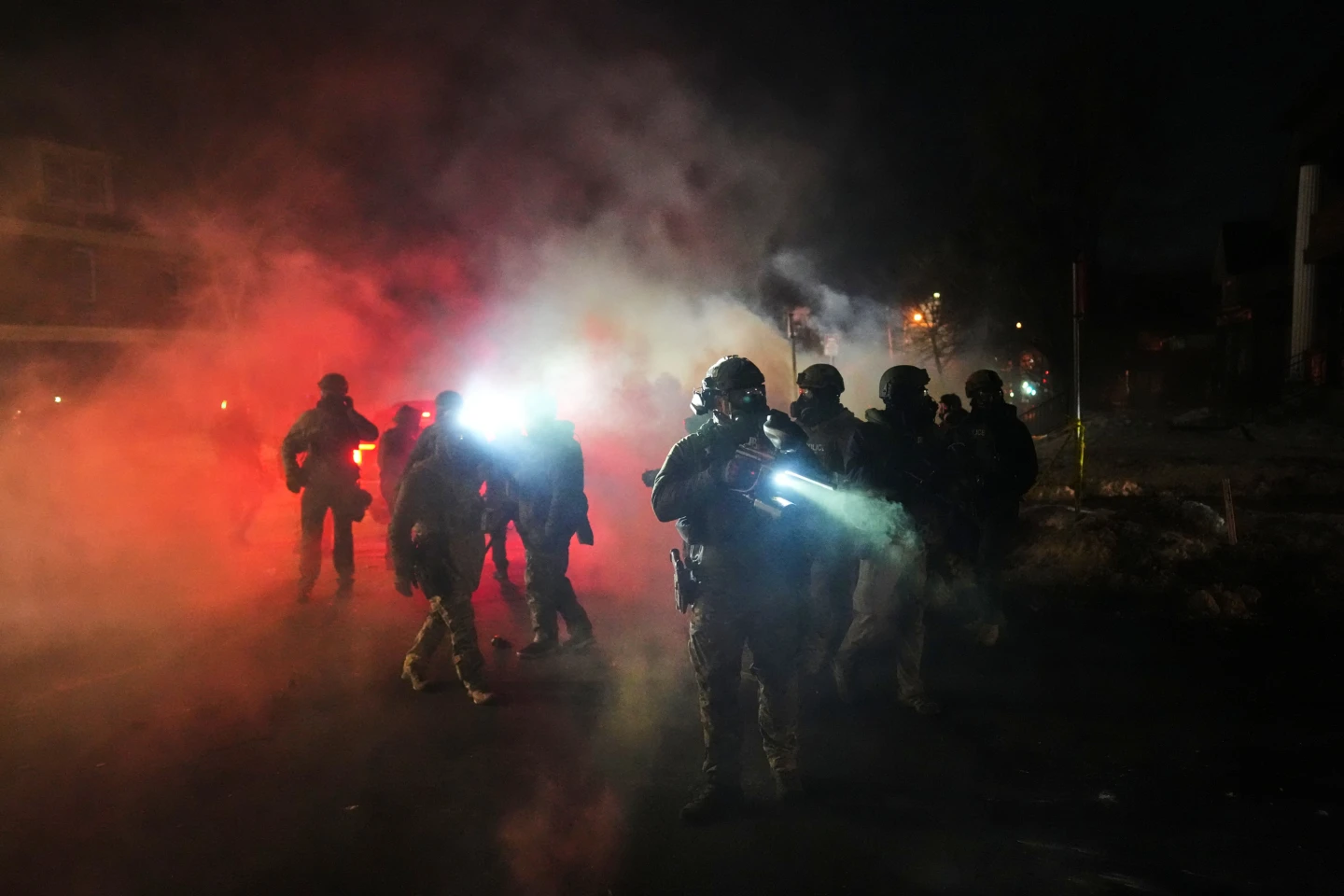
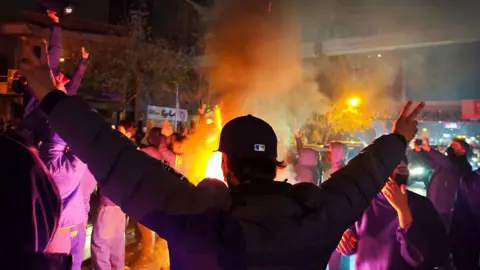
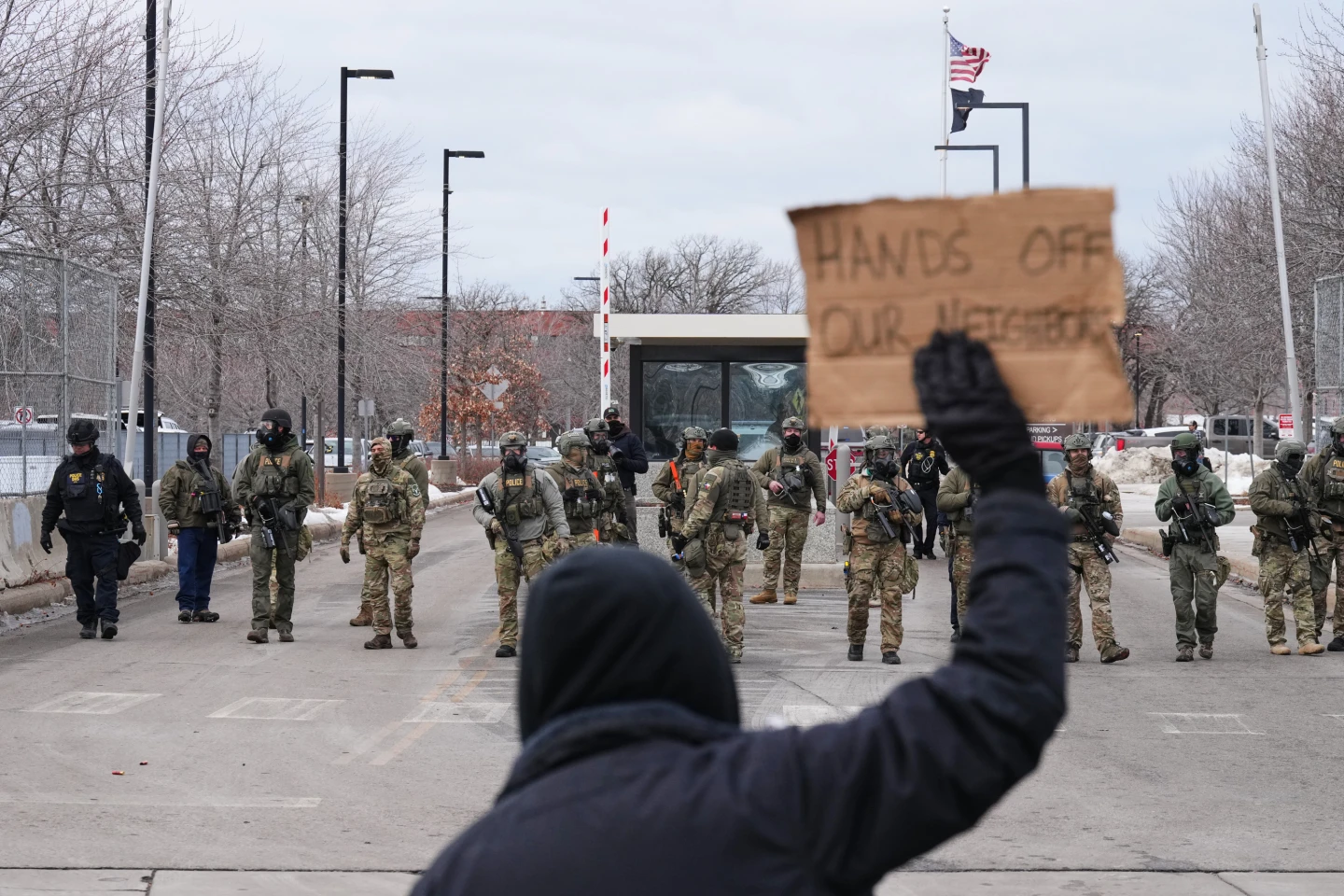
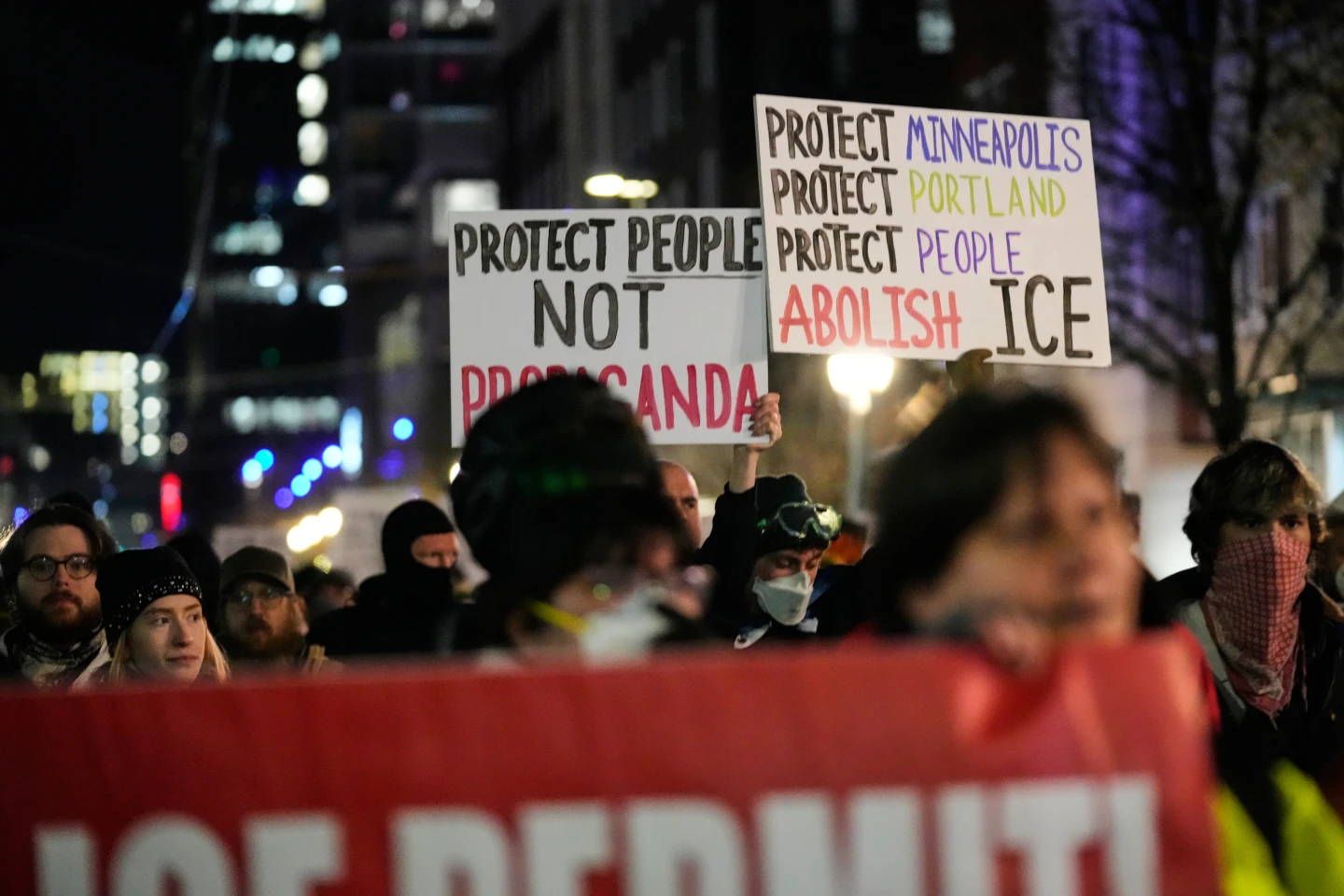
As protests have erupted in the city amidst escalating immigration enforcement, videos of similar incidents, showing immigration officers aggressively detaining individuals in various situations, have accumulated millions of views online, raising critical questions about public safety and enforcement practices.
Rahman, who identifies as disabled, expressed her disbelief during the harrowing incident, stating, “I’m disabled trying to go to the doctor, that’s why I didn’t move.” Amidst a chaotic scene filled with protests, her detainment has prompted fears of overreach and abuse within the immigration enforcement system.
Eyewitness accounts indicate that such aggressive tactics have become increasingly commonplace in Minneapolis. In one instance, armed immigration agents forcibly entered a private residence in search of a suspect, invoking fear among local families. In another, agents apprehended U.S. citizens in public spaces without clear justifications.
Many community members, like Monica Bicking, a nurse and social activist, are taken aback by the growing tension, stating they feel a heightened sense of vigilance when leaving their homes, fearful of ICE encounters. Bicking, while going about her daily routines, now carries a whistle as a precautionary measure when faced with border patrol agents.
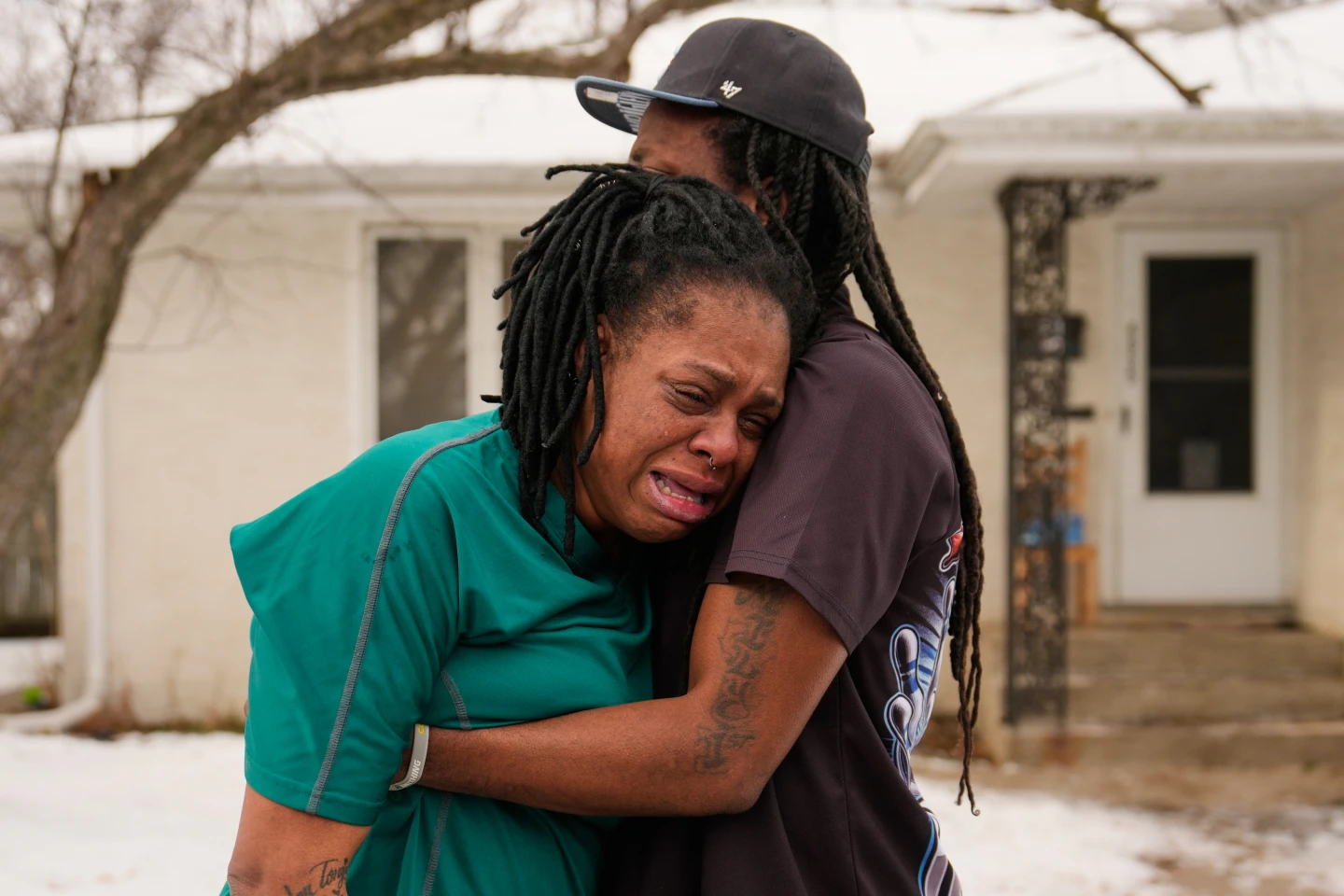
Rahman, recounting her experience, described it as life-threatening, claiming, “It was not until I lost consciousness in my cell that I was finally taken to a hospital.” After receiving medical attention for injuries consistent with assault, she expressed her gratitude to health care workers for their care, stating they restored her hope in a dire moment.
The situation undoubtedly reflects a larger, troubling narrative at the intersection of immigration enforcement and community safety, drawing increased scrutiny from human rights advocates, local officials, and citizens alike.