In brief
Despite being imprisoned for nearly three years, Aung San Suu Kyi remains a symbol of hope and resistance in Myanmar. Her ongoing absence raises questions about the future of the country as civil conflict deepens and the military regime maintains tight control. Observers debate whether Suu Kyi could still play a pivotal role in resolving Myanmar's crisis, reflecting on her past leadership and the changing political landscape.
As of Wednesday, the Burmese democracy campaigner Aung San Suu Kyi will have spent a total of 20 years in detention in Myanmar, five of them since her government was overthrown by a military coup in February 2021.
Almost nothing is known about her state of health or the conditions she is living in, although she is presumed to be held in a military prison in the capital Nay Pyi Taw. For all I know she could be dead, her son Kim Aris said last month. However, a spokesman for the ruling military junta insisted she is in good health.
She has not seen her lawyers for at least two years and is not known to have seen anyone else except prison personnel. After the coup, she was given jail sentences totalling 27 years on what are widely viewed as fabricated charges.
Yet, despite her disappearance from public view, she casts a long shadow over Myanmar.
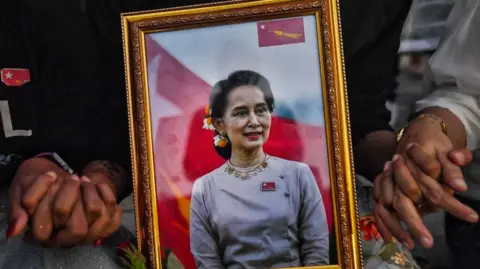
Calls for her release and appeals to the generals to end their campaign against the armed opposition and negotiate peace continue. The military has attempted to erase her image from the public arena, yet faded posters of The Lady, or Amay Su, Mother Su, remain in tucked-away corners. Could she still play a role in resolving the conflict between soldiers and civilians in Myanmar?
This is not the first time the military’s control has been challenged. In 2010, after nearly 50 years of military rule, the junta held an election excluding Suu Kyi's popular National League for Democracy, ensuring a win for its own proxy party. However, they underestimated her influence and the population's desire for change.
While the political landscape in Myanmar has shifted dramatically since then, the question remains whether Aung San Suu Kyi could again be central to the country’s political future following her long struggle for democracy. The military's grip on power remains, yet many argue that her historical significance and the symbol of hope she represents are crucial for Myanmar's path forward.