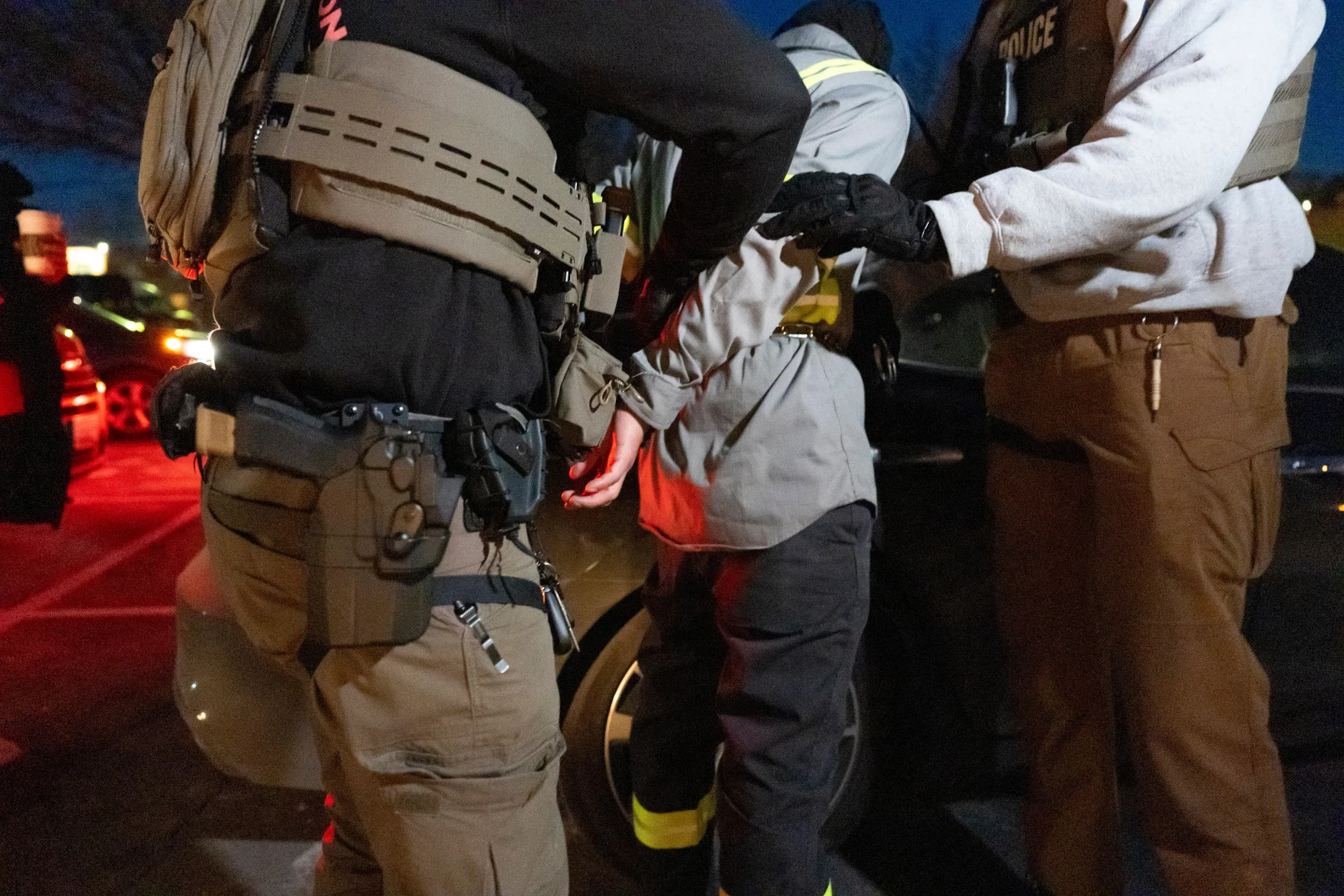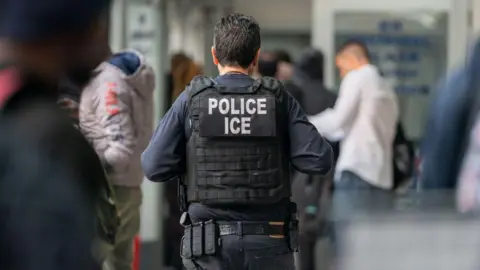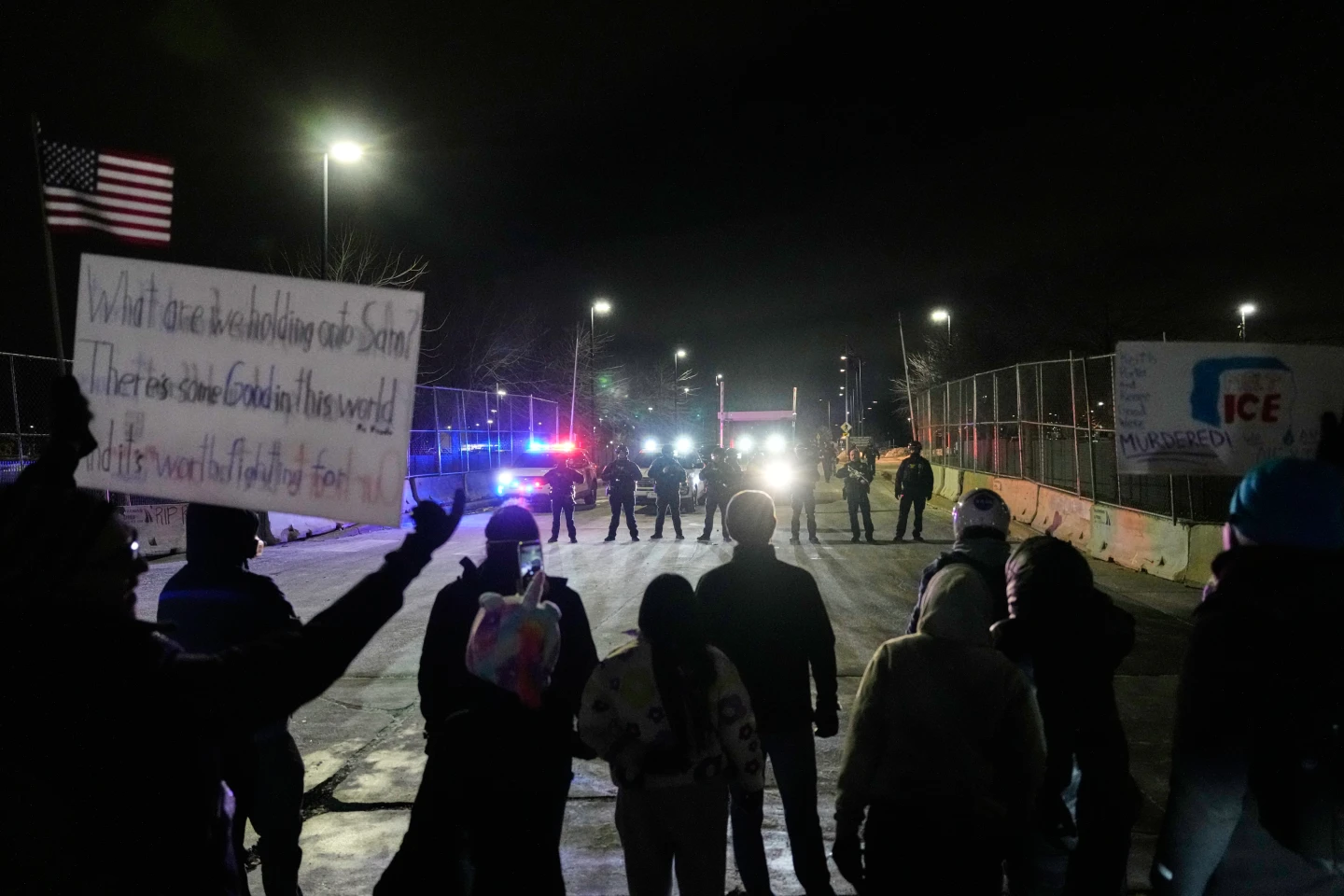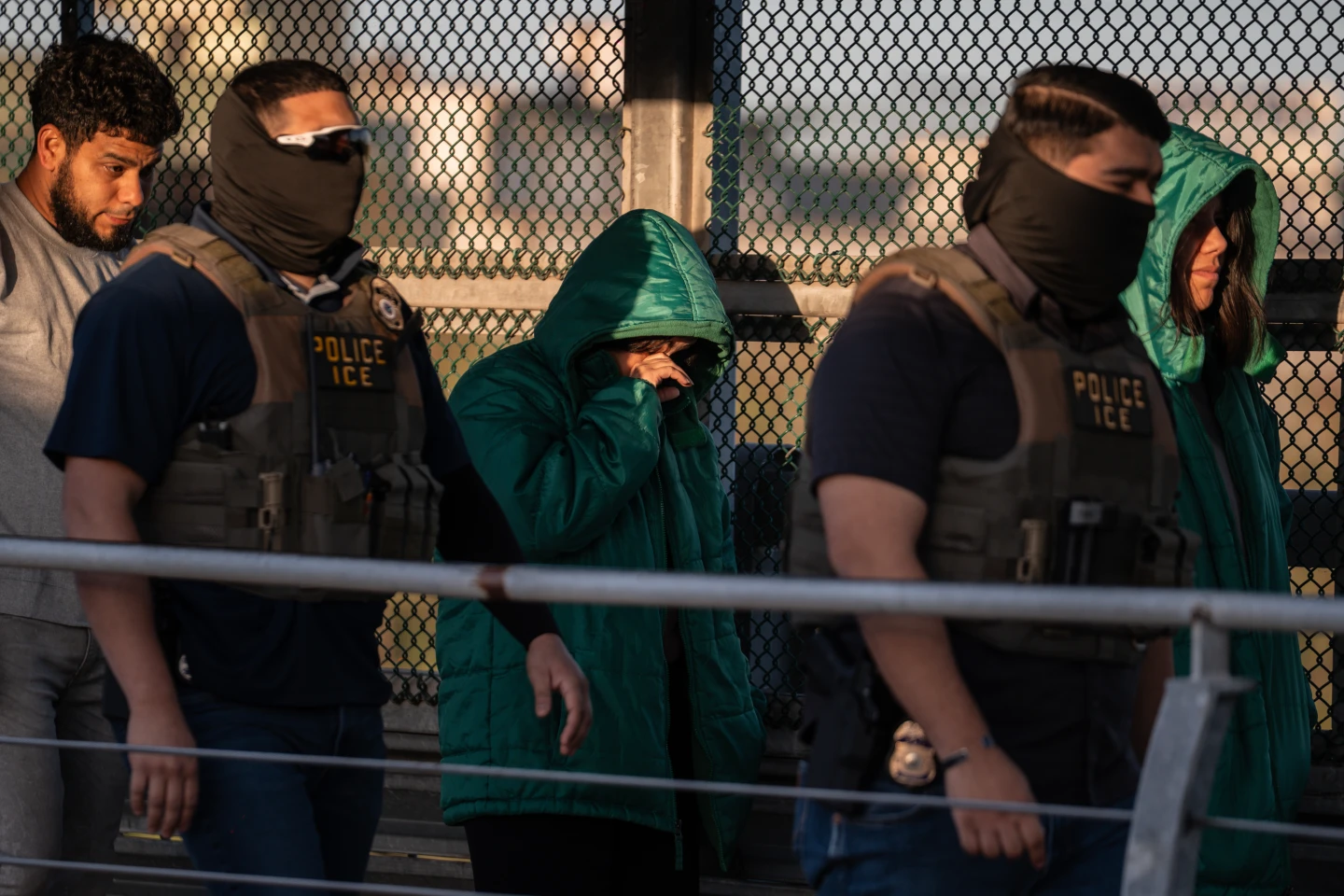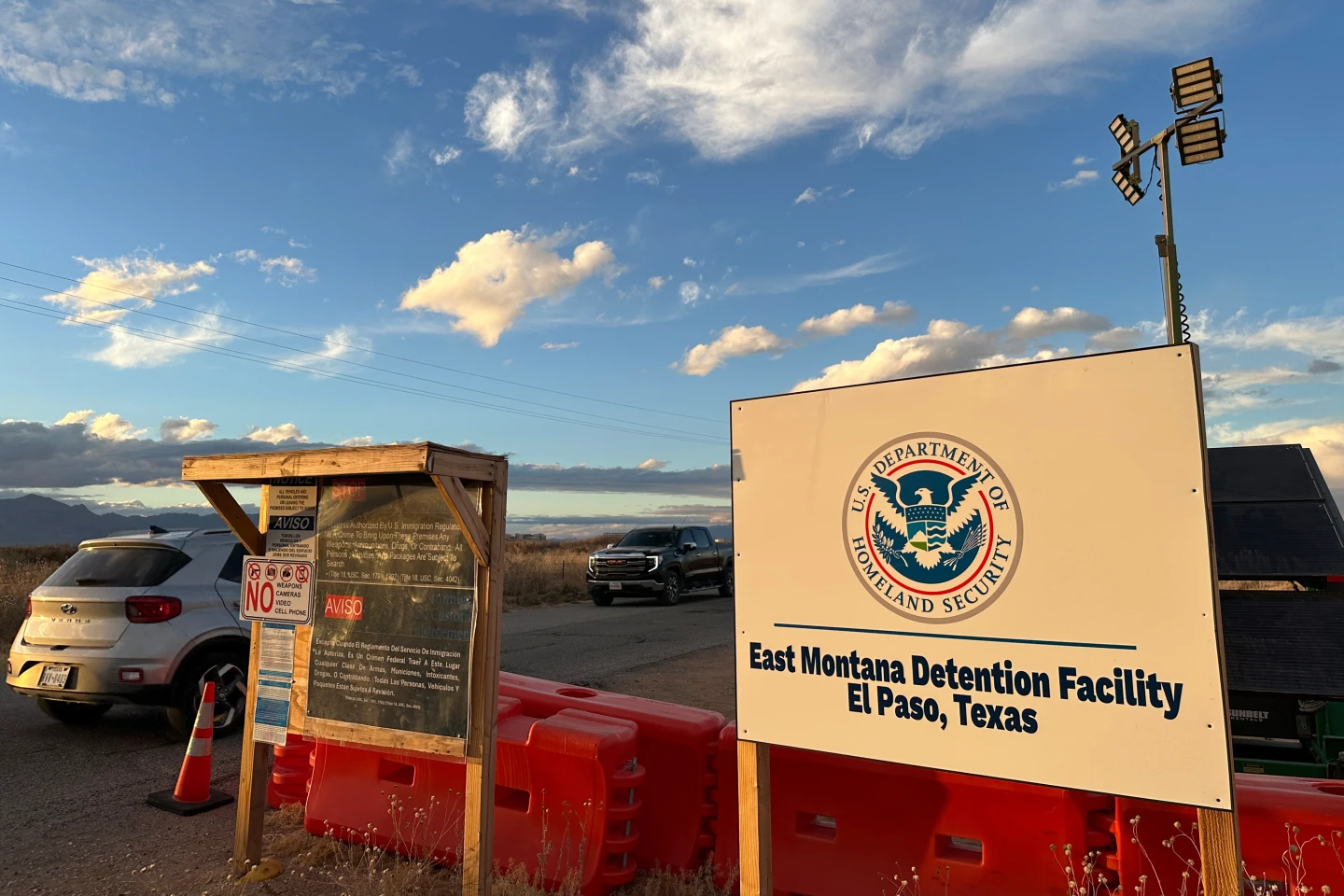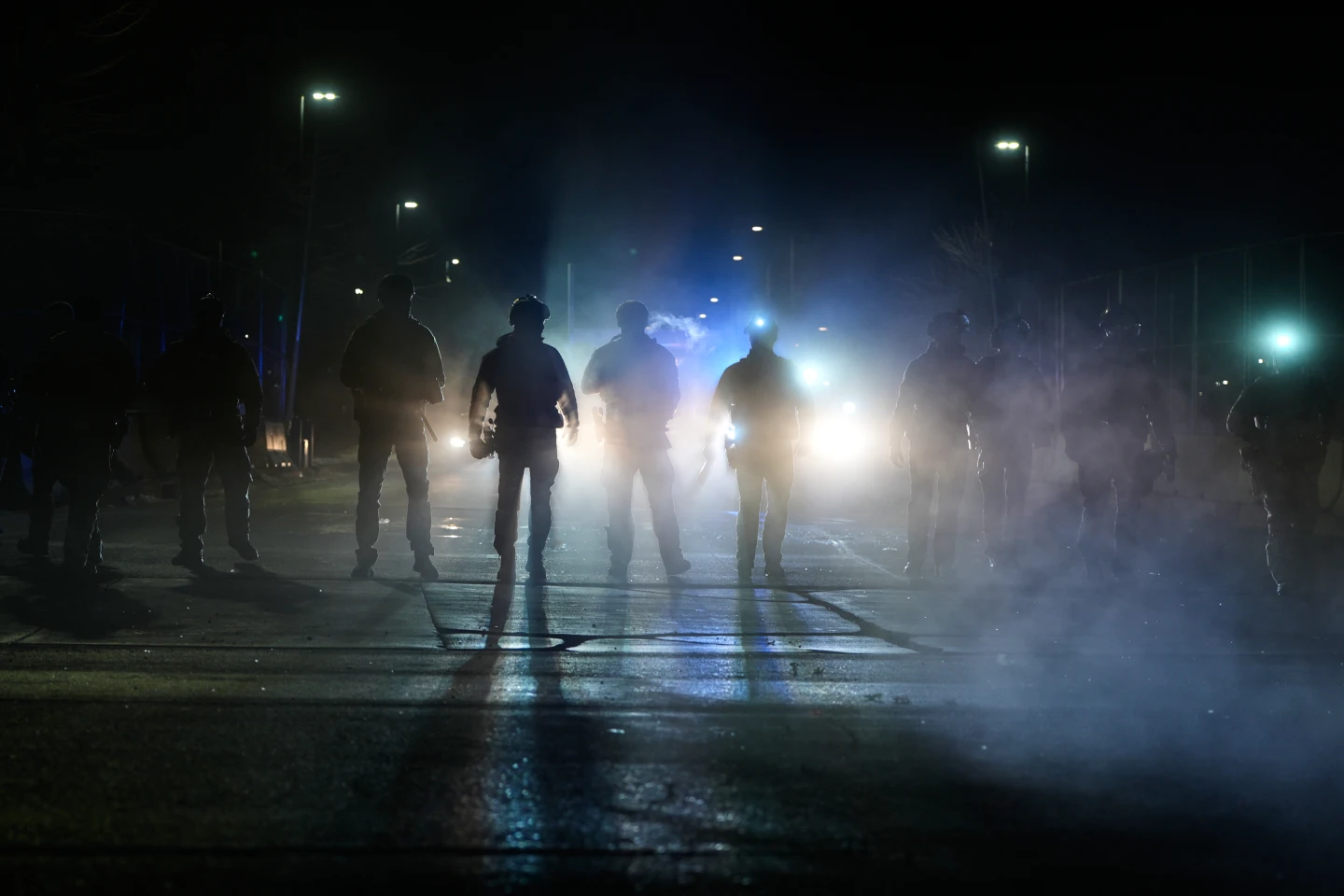
MINNEAPOLIS — As dawn breaks, federal officers don tactical gear and head out in convoys across the Twin Cities, notably Minneapolis and St. Paul, signaling the escalation of Operation Metro Surge, a large-scale immigration enforcement initiative. Protesters gather daily, some shouting 'Go home!' and 'ICE out!' as federal vehicles pass.
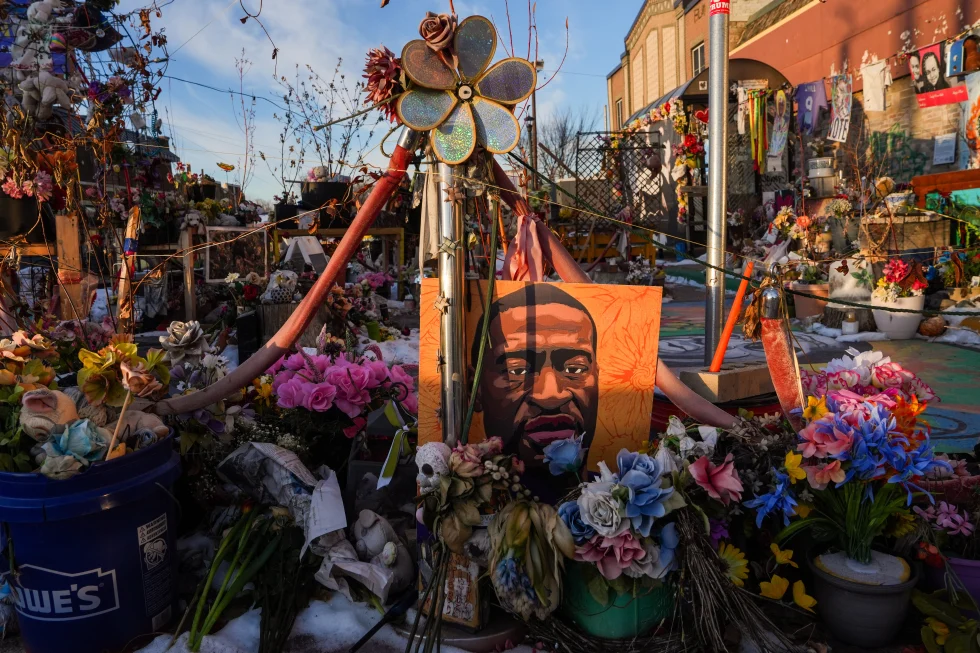
The confrontations intensify after dark, often leading to angry clashes marked by shouting, physical confrontations, and the use of tear gas by law enforcement. The mood mirrors past protests, especially following the death of George Floyd, which continues to resonate deeply within this community.
Mayor Jacob Frey described the current situation as an 'invasion,' noting the disproportionate presence of federal agents compared to the city’s police force. As fear permeates neighborhoods—particularly those with significant immigrant populations—children are staying home from school, and businesses are shuttering under pressure.
The impact of the crackdown is felt throughout the immigrant hub of Lake Street, where local shops now feel abandoned, and community members stand vigilant against potential ICE activities, ringing warning whistles to alert others. Many residents have stepped up to support those who feel targeted or unsafe, showcasing the resilience and spirit of the Minneapolis community.
Local leader Gov. Tim Walz called for compassion and community engagement, encouraging residents to help one another as tensions rise. Amidst the fear and uncertainty, acts of solidarity are emerging, as neighbors deliver food and support to those hesitant to leave their homes.
This multifaceted response highlights not just the challenges posed by federal enforcement, but also the strong community ties and advocacy emerging in response to these pressures, underscoring a narrative of resilience and mutual support amidst crises.